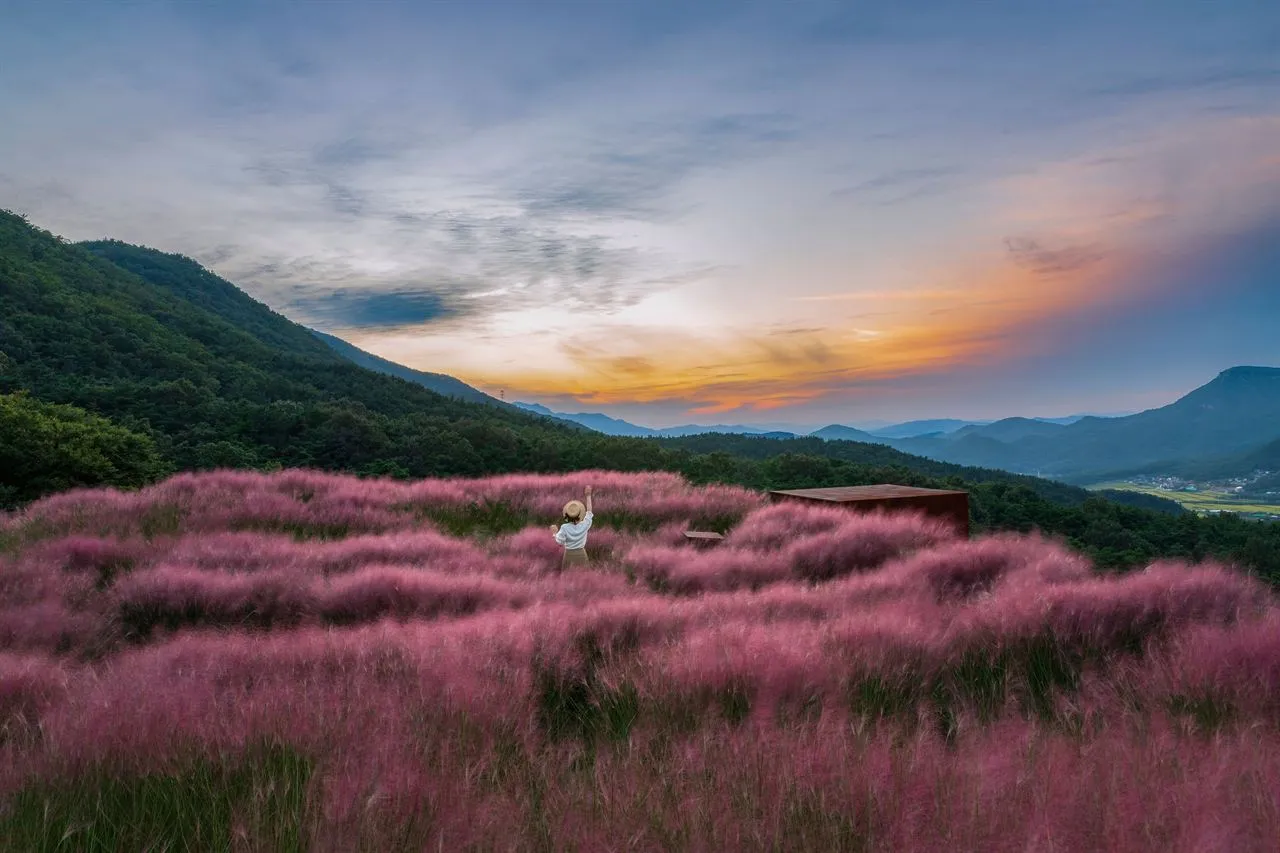
Korea in September is early autumn, not peak fall-color season. Many visitors arrive expecting crisp red maples and get late-summer warmth instead, especially in the first half of the month.
In 2026, Chuseok falls on 24 to 26 September per VisitKorea's public holiday calendar, which can raise intercity transport demand.
Treat weather figures below as climate averages, not a live forecast, and re-check KMA before you fly.
For full nationwide foliage timing, use the Korea autumn foliage guide after you decide whether September dates still make sense.
September at a glance
| Topic | Practical take |
|---|---|
| Season feel | Early autumn transition: can still be warm early, cooler late |
| Peak maple foliage? | Usually not nationwide in September |
| Rain | Lower than July to August monsoon peaks, but wet days still happen |
| Typhoons | Still possible in September: check alerts, do not assume zero risk |
| Clothing | Summer-leaning early; add layers by late month |
| 2026 holiday note | Chuseok 24 to 26 September (confirm before booking) |
| Best for | City sightseeing, coast, food trips, first-time routes with heat easing |
| Less ideal for | Locking the trip to peak foliage photos across Seoul |
Is September a good month to visit Korea?
Yes for many first-timers, if you want outdoor walking without peak summer heat and you are not locking the trip to peak maple color.
Especially good if you:
- Prefer city palaces, markets, and cafes with milder evenings later in the month
- Can stay flexible on outdoor vs indoor days
- Book transport early when dates touch Chuseok
Less ideal if you:
- Need peak red-and-gold mountain foliage on a fixed Seoul timetable
- Dislike humidity and arrive in a warm early-September spell
- Leave all KTX or flight bookings to the last minute around Chuseok
Early, mid, and late September
September is not one uniform weather block.
Early September
Often still summer-leaning: warm afternoons, sticky evenings in some years. Outdoor days work, but midday heat can linger. Pack breathable clothes first. Do not plan as if it is already October.
Mid-September
Usually the transition. Days cool from early-month highs more often, evenings need a light layer, and outdoor sightseeing feels easier. Rain risk remains, so keep one indoor backup each day.
Late September
Often the clearest early-autumn city window for many visitors: cooler nights, more pleasant walking, and the first highland color signals in some mountain areas. Peak foliage in lower cities still usually comes later. In 2026, late September overlaps Chuseok (24 to 26 September).
Typical September weather (climate, not forecast)
Long-term normals (KMA-based climate data commonly cited for Seoul, 1991 to 2020) put September roughly around:
| Place | Typical daytime feel | Night | Planning note |
|---|---|---|---|
| Seoul | Warm, often low-to-mid 20s °C into cooler days later | Mild to cool evenings | Early month can still feel muggy |
| Busan | Mild coastal warmth | Milder nights than inland | Sea breeze; typhoon exposure still possible |
| Jeju | Mild to warm island weather | Mild | Flights fill around holidays: book early |
Exact averages shift by dataset period. Climate ≠ this week's forecast. Check current KMA forecasts before you pack final layers (see Sources).
September rainfall is usually far below July to August monsoon peaks, but it is not a reliably dry month. Recent years have also seen unusually warm Septembers in official KMA monthly summaries: another reason to pack for a warm early spell.
Rain and typhoon planning
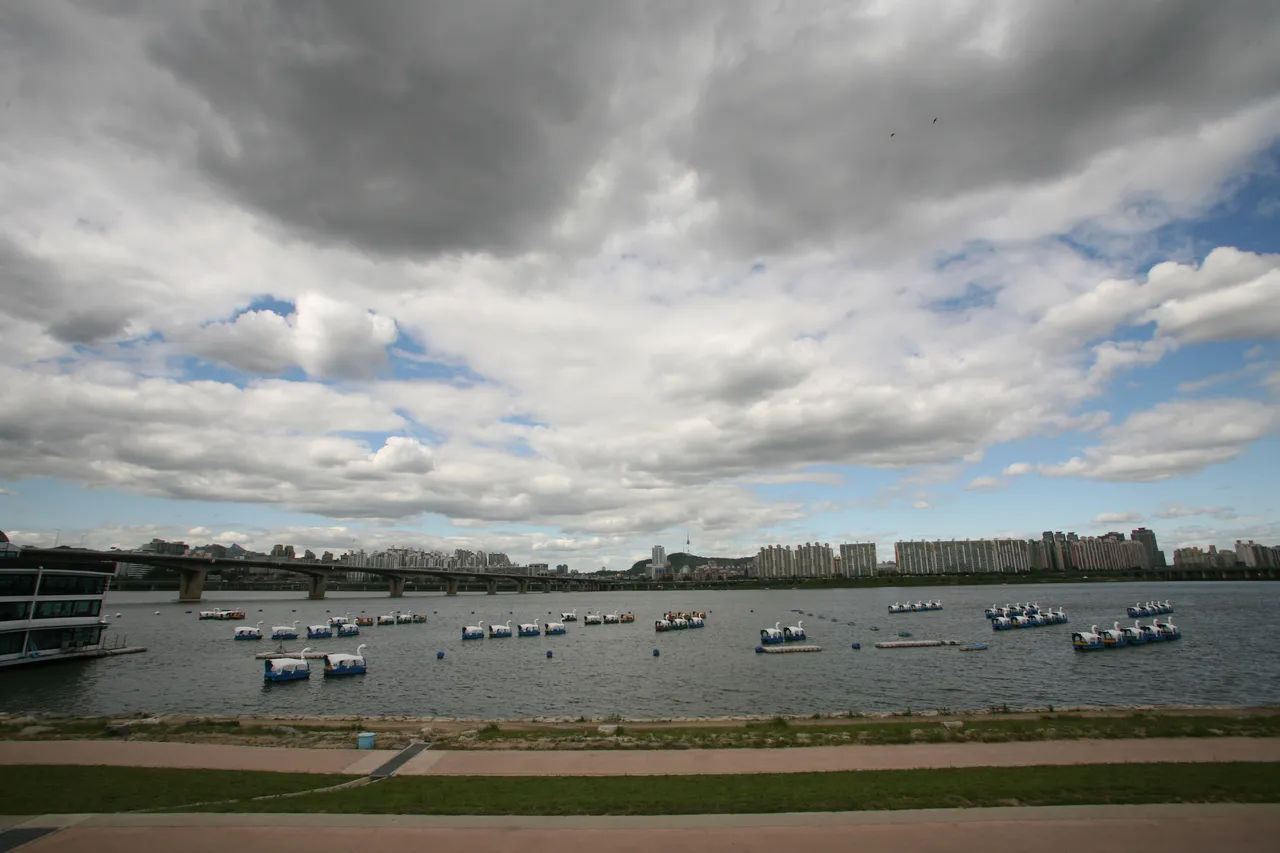
Rain: Possible throughout the month. Carry a compact umbrella or light rain shell. Build each sightseeing day with an indoor swap: museum, covered market, cafe street, or department store.
Typhoons: Korea can still be affected by typhoons in September. Official climatology has long treated July to September as the main period when storms may influence the peninsula. That does not mean a typhoon will hit during your trip.
Before departure and again on travel days:
- Check KMA forecasts and warnings
- Recheck flights and coastal plans for Busan or Jeju
- Keep one non-coastal backup day in any sea-focused itinerary
Do not treat blog “typhoon calendars” as forecasts.
What to wear in September
Keep packing month-specific, not a 30-item checklist.
| Period | Core kit |
|---|---|
| Early | Breathable tops, light pants/shorts, sun protection, compact rain layer |
| Mid | Add a light long-sleeve or thin cardigan for evenings |
| Late | Light jacket or mid-layer for nights; still bring a summer top for warm afternoons |
Add walking shoes you trust on wet pavement. If you add highland day trips, pack one warmer layer than you need in Seoul.
Foliage in September: set expectations
September is not Korea's peak maple month.
Typical pattern (explained in depth in the autumn guide): color usually starts earlier at higher elevations and farther north, then moves south. Peak city color in Seoul is often later than visitors expect. Year-to-year shifts are normal.
What you may see in September:
- Mostly green palace gardens and city parks early to mid month
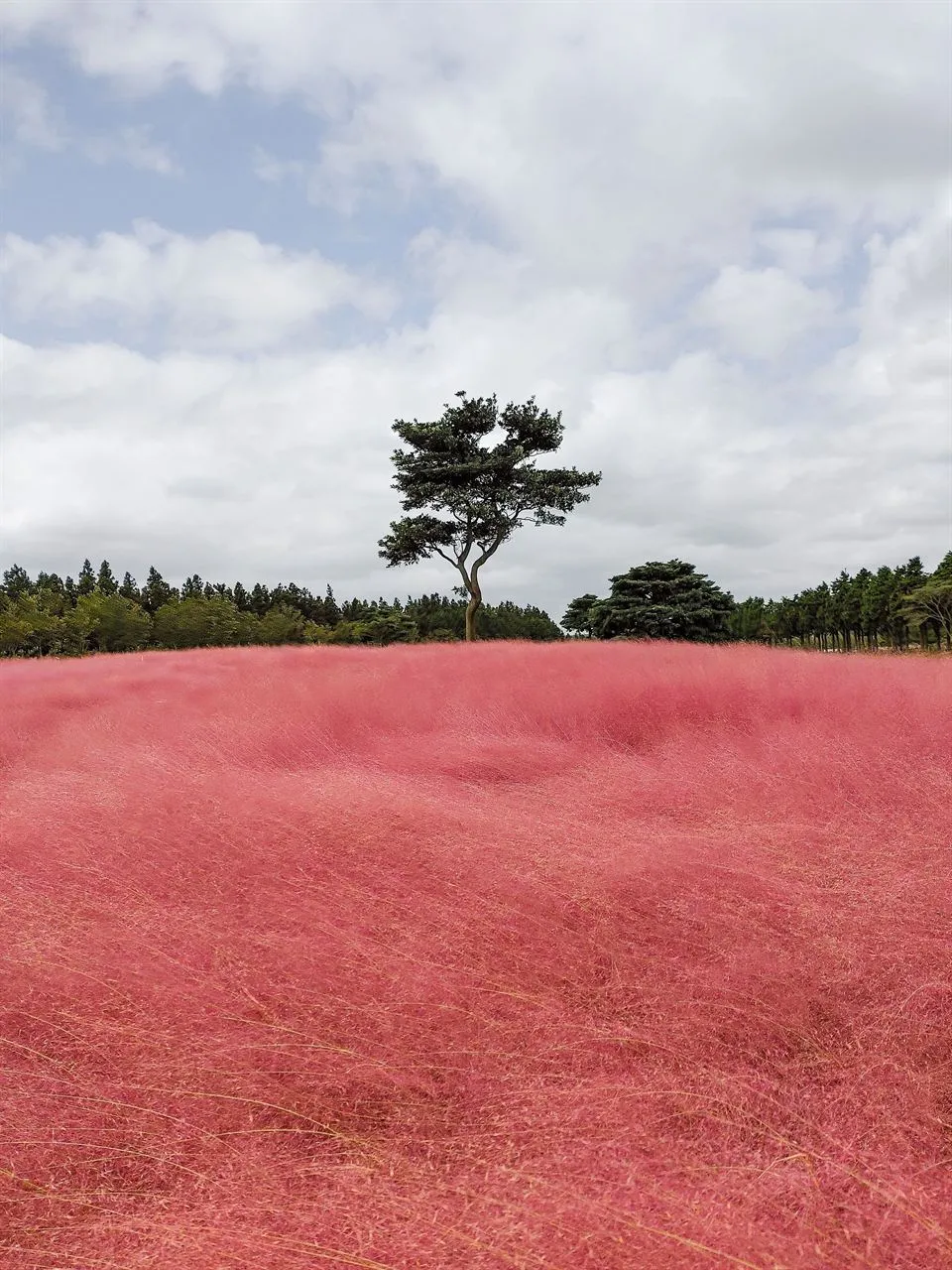
- Pink muhly and other early-autumn plantings in late month at some sites
- Possible first highland hints of change on mountain trips, not a promise
What you should not expect:
- Nationwide peak red foliage on a fixed September date
- “Seoul peaks every year on date X”
For peak-color routing, switch to the autumn foliage guide.
Where to go: a September chooser
| If you want… | Lean toward… | Why in September |
|---|---|---|
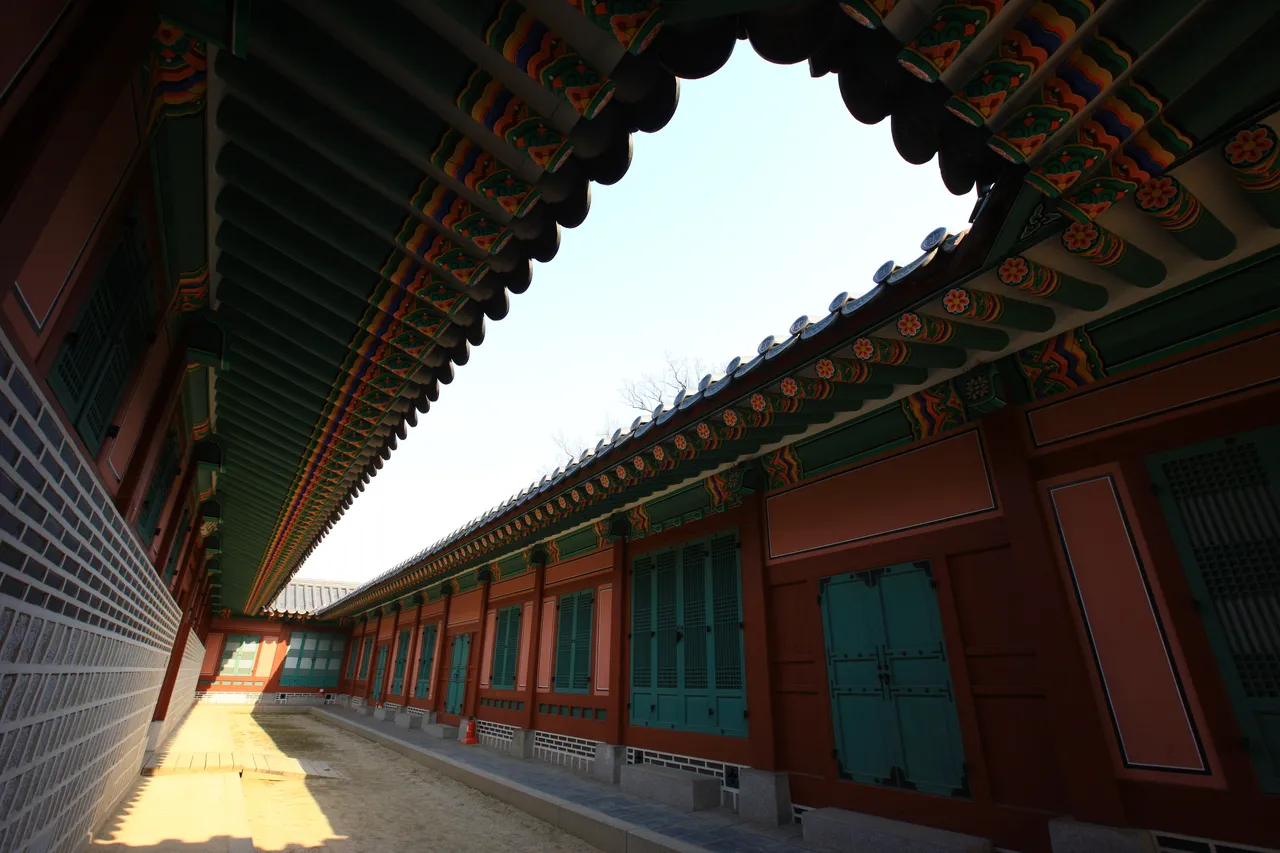
| First-time classics | Seoul base | Palaces, food, neighborhoods; heat usually easing later in the month |
| Coast and milder evenings | Busan | Sea breeze; still plan typhoon/rain flexibility |
| Island trip | Jeju | Works if flights/cars are booked; holiday weeks get busy |
| Early color chances | Highland / mountain day trip | Higher elevations change earlier: confirm forecasts, not fixed peak dates |
| Food + shorter walks | Seoul or Busan food neighborhoods | Less dependent on foliage |
Do not try to force Seoul + Busan + Jeju + peak mountains into one short September trip. Use the 5-day Korea shape guide or 7-day route for trip structure, then adjust for heat, rain, and Chuseok.
Chuseok in September 2026
VisitKorea's 2026 public holiday list places Chuseok on 24 to 26 September. Reconfirm before you travel: lunar-linked holidays can be accompanied by administrative notices.
What that means for visitors:
- Government offices and banks close on public holidays
- Palaces, museums, department stores, and many attractions often stay open, but individual shops and restaurants vary
- Millions of domestic travelers move for family gatherings, so intercity trains and buses can be harder to book around the holiday window
What it does not mean:
- “Korea completely shuts down”
- “Everything stays open everywhere”
If your dates include 24 to 26 September 2026:
- Book KTX / flights earlier than you would for a normal week
- Confirm attraction hours on official pages
- Keep neighborhood restaurant backups
- Use KTX booking guidance for rail mechanics (do not rely on a pasted timetable here)
If you are staying in Seoul over those dates, the Chuseok in Seoul guide covers 2026 holiday hours, the Namsangol festival, and what is actually open.
September events: keep the list short
This page is a month decision guide, not an event directory.
For Seoul's late-summer / early-autumn exhibition and event cluster, see Seoul events in August to September 2026 and verify each date on the organizer page.
Only add a stop to your plan when:
- The 2026 date is official
- The venue is confirmed
- It fits your region choice
Skip unverified blog festival calendars.
How September should change your itinerary
If you already drafted a generic Korea route, adjust it for September:
- Front-load outdoor walking on clearer, cooler days later in the month when you can
- Keep a rain / heat indoor block every day
- If dates hit Chuseok, treat transport as the scarce resource
- Do not build the whole trip around peak foliage photos
- Prefer one region add-on, not three long transfers in hot/humid early September
August heat planning still helps if you arrive on the August to September edge: see Seoul in August.
September vs August vs October
| Month | Traveler trade-off |
|---|---|
| August | Hottest stretch for many cities: heat-adjusted plans matter most |
| September | Transition month: warmer early, more early-autumn feel late; Chuseok may apply |
| October | Often the stronger nationwide foliage window: use the autumn season guide |
September sits between late summer and peak autumn. Choose it for balance, not for peak color you can lock in months ahead.
Common mistakes
- Expecting peak maple foliage across Seoul in early September
- Packing only autumn jackets and overheating on a warm spell
- Ignoring typhoon / heavy-rain flexibility on coastal or island days
- Leaving Chuseok-week trains unbooked
- Copying an October foliage itinerary into September dates
- Treating climate averages as tomorrow's forecast
FAQ
Is September already autumn in Korea?
It is early autumn, but early September can still feel like late summer. Late September is usually closer to the autumn feel visitors imagine.
Will I see fall foliage in September?
Maybe early highland hints, depending on year and elevation. Do not plan on peak nationwide color. Use the autumn foliage guide for peak windows.
Is September rainy?
Less rainy than peak monsoon months on average, but wet days and storm systems still happen. Pack rain protection.
Can typhoons affect September trips?
Yes, they can. Check KMA before and during travel. This is possibility guidance, not a prediction that one will hit.
What should I wear?
Breathable clothes early, then add light layers toward late September. Always bring a compact rain layer.
Does Chuseok close tourist sites?
Not uniformly. Many major attractions stay open while some businesses close. Confirm the places on your list.
What to check before you book
- KMA forecast and any typhoon notices near your dates
- VisitKorea / official holiday pages for the current Chuseok span
- KTX or flight availability if dates include 24 to 26 September 2026
- Whether you need the autumn foliage guide instead of, or in addition to, this September page
Sources
- Korea Meteorological AdministrationOfficial weather service
- Visit KoreaOfficial tourism site
- KORAILOfficial transport site
Information is compiled from official sources. Details such as prices, hours, and schedules can change. Confirm time-sensitive facts before you travel.
Last verified on
Related guides
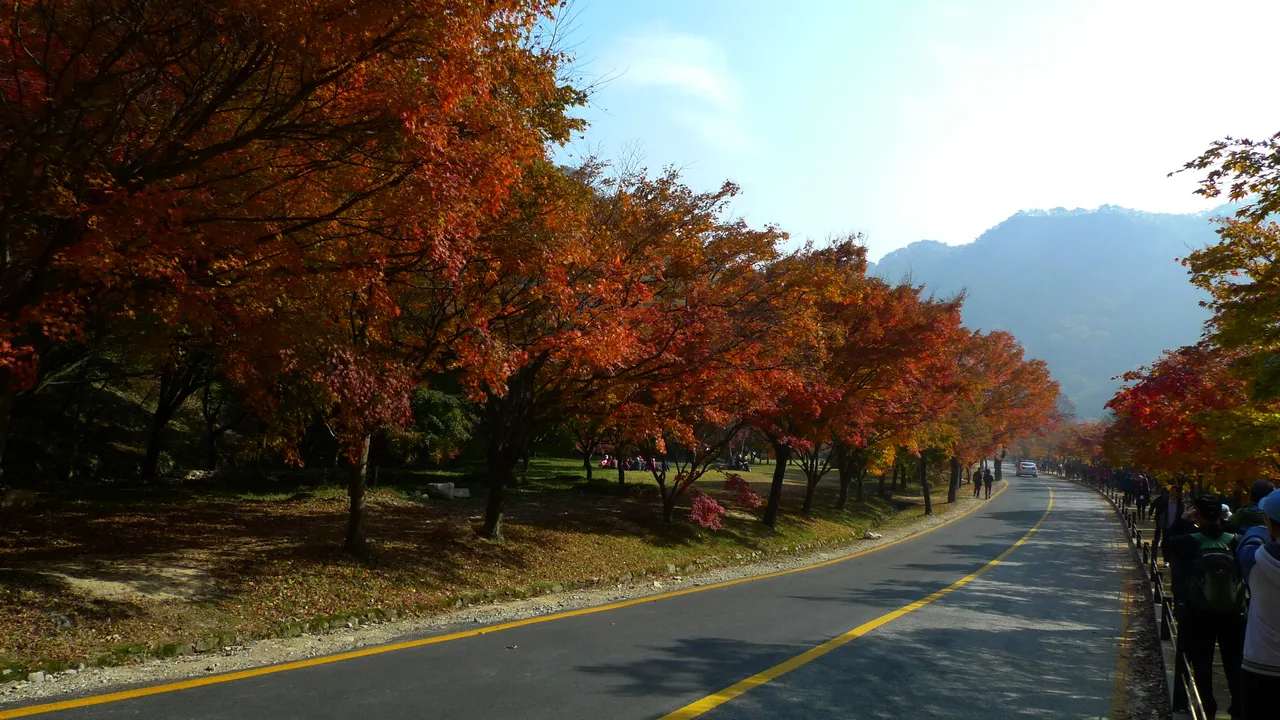
Korea in Autumn: When to Go, Fall Foliage Timing, and Best Places to See Autumn Colors
Autumn is one of Korea's best seasons, crisp weather and foliage that sweeps from the northern mountains down to the southern islands from late September to late November. Plan around the pattern rather than a fixed date: foliage starts high and north and moves south, peak comes roughly two weeks after the first color, and forecasts shift every year. Timing, the best city, day-trip, and mountain spots (including options for non-hikers), pink muhly, what to pack, and how to beat the peak-season crowds are all covered below. Check the official KMA and VisitKorea forecast before you lock in dates.
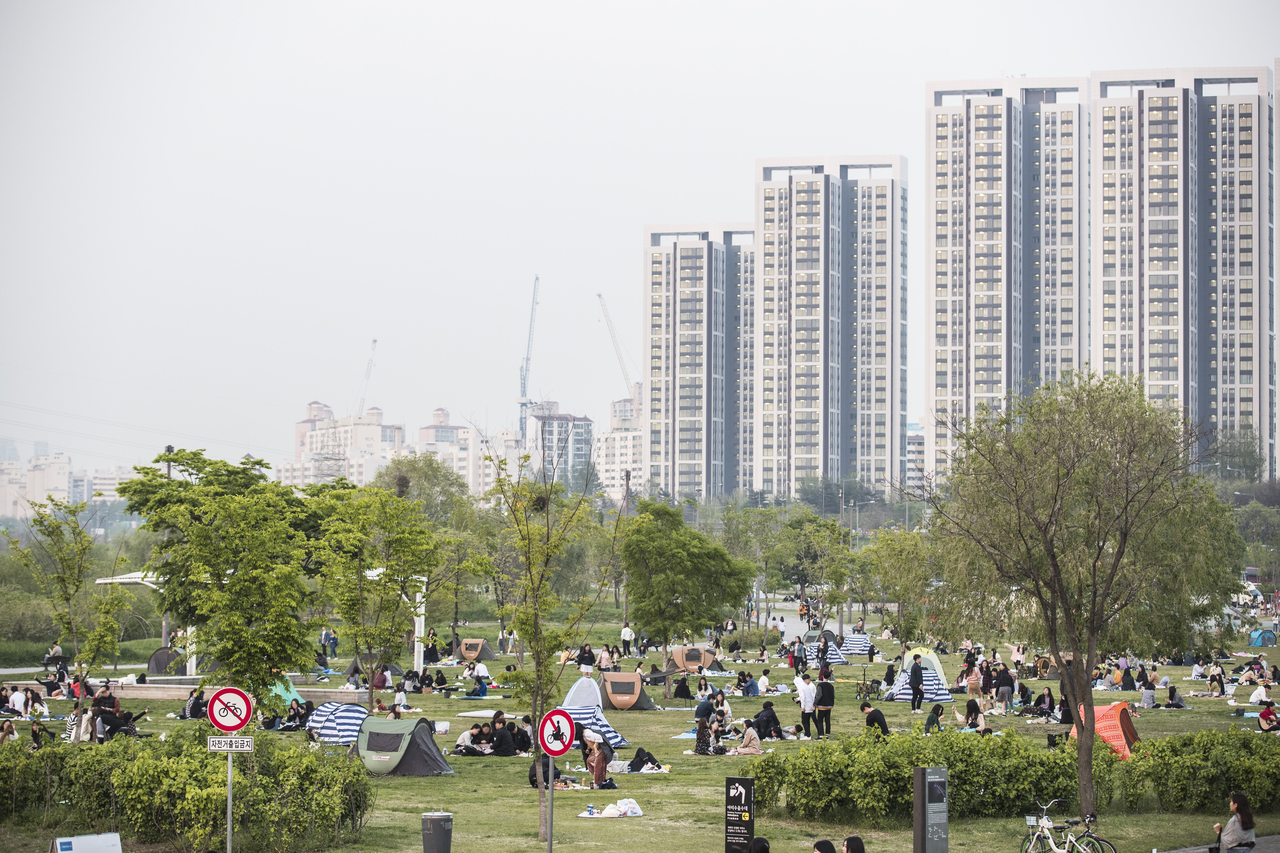
Seoul in August Guide: Essential Places, Summer Festivals, Indoor Attractions, and Things to Do
Seoul in August is hot, humid, and sometimes rainy, copying a spring or autumn itinerary here doesn't work. Below: the essential places worth your time, the summer festivals actually confirmed for 2026 (Hangang River Festival, Seoul Summer Beach, Hangang pools, the Seoul International Garden Show), indoor attractions for the hottest hours, Korean summer food, what to wear, heat and rain safety, August 15 considerations, and realistic 3-day, 5-day, and 7-day itineraries built around the heat rather than against it.