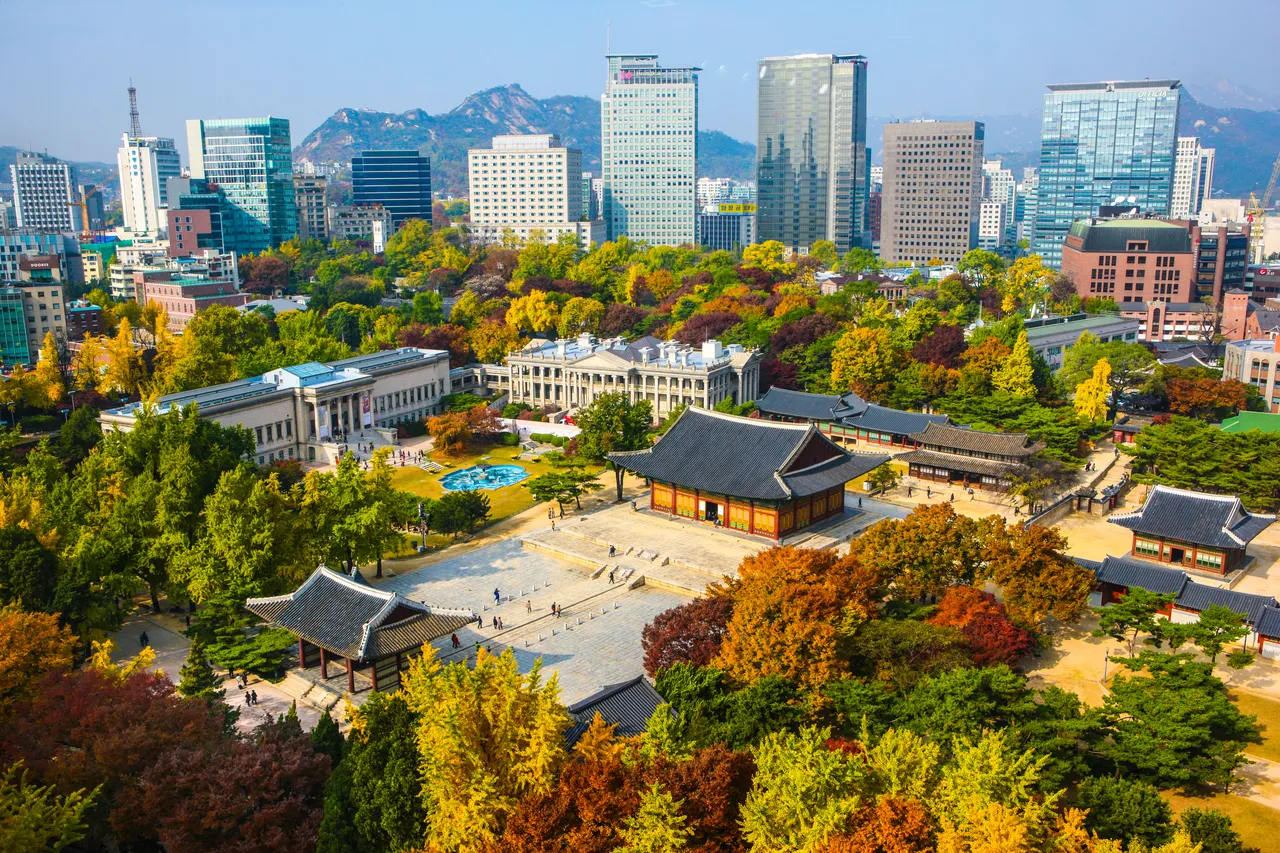
November is where Korea's autumn ends and winter begins. The country splits by region: Seoul is already cold, Busan stays cool, and Jeju is the mildest of the three.
This guide is the country-level view. It compares the three regions with official climate data and points to the city guides for the details that only one place needs.
Quick answer
| Question | Answer |
|---|---|
| Is November good? | Yes for palaces, walking, food, and quieter sights. Weaker for beaches and for a guaranteed foliage display |
| Seoul | About 3.5 to 11.9 °C on average (daily low to high, KMA 1991 to 2020 normals); a real coat by late month |
| Busan | About 8.3 to 16.6 °C; cool, drier, windy on the coast |
| Jeju | About 10.4 to 16.4 °C; mildest, but windy and cloudy |
| Fall color | Possible on lower ground and in the south; timing varies by year and region |
| Snow | Occasional in Seoul, rare in Busan and Jeju; higher mountains are likelier |
| What to wear | Layers everywhere; a medium-weight coat for Seoul; a windproof layer for the coast |
Korea's November weather at a glance
November is a transition month, so the same week can feel like autumn in Busan and near winter in Seoul.
Seoul is the cold end and Busan sits in the middle with cool, fairly dry days. Jeju is the warm end on paper, but sea wind and cloud take some of that back.
Averages describe a typical November, not your dates. Check the Korea Meteorological Administration (KMA) forecast a few days before you fly and again the evening before each outing.
Seoul vs Busan vs Jeju in November
These are the KMA's 30-year climate normals (1991 to 2020) for its Seoul, Busan, and Jeju City stations, taken from the KMA Open Data Portal and rounded. They are station averages, not forecasts, and they do not describe mountains or exposed coastlines.
| Measure, November | Seoul | Busan | Jeju City |
|---|---|---|---|
| Average daily high | 11.9 °C | 16.6 °C | 16.4 °C |
| Average daily mean | 7.5 °C | 11.9 °C | 13.3 °C |
| Average daily low | 3.5 °C | 8.3 °C | 10.4 °C |
| Rainfall for the month | 51.1 mm | 50.4 mm | 69.5 mm |
| Days with recorded rain | 8.8 | 6.0 | 9.8 |
| Days with snow | 2.3 | 0.1 | 0.4 |
| Average wind speed | 2.2 m/s | 3.1 m/s | 3.4 m/s |
| Sunshine for the month | 157.3 hours | 195.5 hours | 123.7 hours |
Seoul's average mean is about 4 °C below Busan's and about 6 °C below Jeju's. Busan is the sunniest and driest of the three by rain days, while Jeju has the most rain, the most cloud, and the strongest average wind.
For the full city detail, see Busan in November and Jeju in November. For Seoul, see Seoul in November for early versus late November, foliage, and what to wear, and the Seoul travel guide for the wider city.
Early versus late November
There is no sharp switch, and the exact dates change every year. The table describes a general tendency, not a calendar or a measured split of the month.
| Early November | Late November | |
|---|---|---|
| Feel | Crisp autumn, especially in the south | Closer to winter, especially in Seoul and inland |
| Layers | Light layers plus a jacket | Medium-weight coat, hat, and gloves in Seoul |
| Fall color | Better odds on lower ground and in the south | Leaves are more often down, except in the far south |
| Mornings and evenings | Cool | Cold, and colder still by the water |
| Daylight | Already short | Shorter still, so start outdoor plans earlier |
If comfort and color matter most, lean early. If you prefer quieter streets and can live with bare trees, late November works with a warmer packing list.
Can you still see fall foliage in Korea in November?
Sometimes, and it depends on where you stand. Foliage in Korea moves from north to south and from high ground to low, so the high northern mountains are usually past their color first. Cities and lower slopes turn later, and the far south is latest.
There is no single national peak date. Timing shifts with each year's weather, with latitude, and with elevation, and southern urban areas can hold color after the northern mountains are bare. I found no official Seoul or Busan peak date, so treat city color in November as possible rather than promised.
In that forecast, only the southern mountains reach peak in November, while the northern and central ones come before it. Check the Forest Service's foliage map for your own year before you book around color.
Where to see fall colors in November
Pick places by what you want to do, not by a promise of red leaves. The list below is selective and only names places covered elsewhere on this site.
| Place | Why it suits November | Read more |
|---|---|---|
| Deoksugung and other Seoul palaces | Stone-wall lanes and palace grounds where ginkgo and maple color can linger on lower ground | Palace night viewing |
| Changdeokgung Huwon | A timed garden visit set among old trees; ticket rules apply | Changdeokgung guide |
| Namsan | A short climb or cable car for a view over the city | N Seoul Tower guide |
| Bukhansan | Seoul's mountain park; higher ridges may be past color, lower trails may not | Bukhansan hiking guide |
| Beomeosa and Geumjeongsan, Busan | A temple and mountain setting; color is patchy and timing-dependent | Busan in November |
| Hallasan, Jeju | Higher slopes turn first, lower slopes may still hold color | Jeju in November |
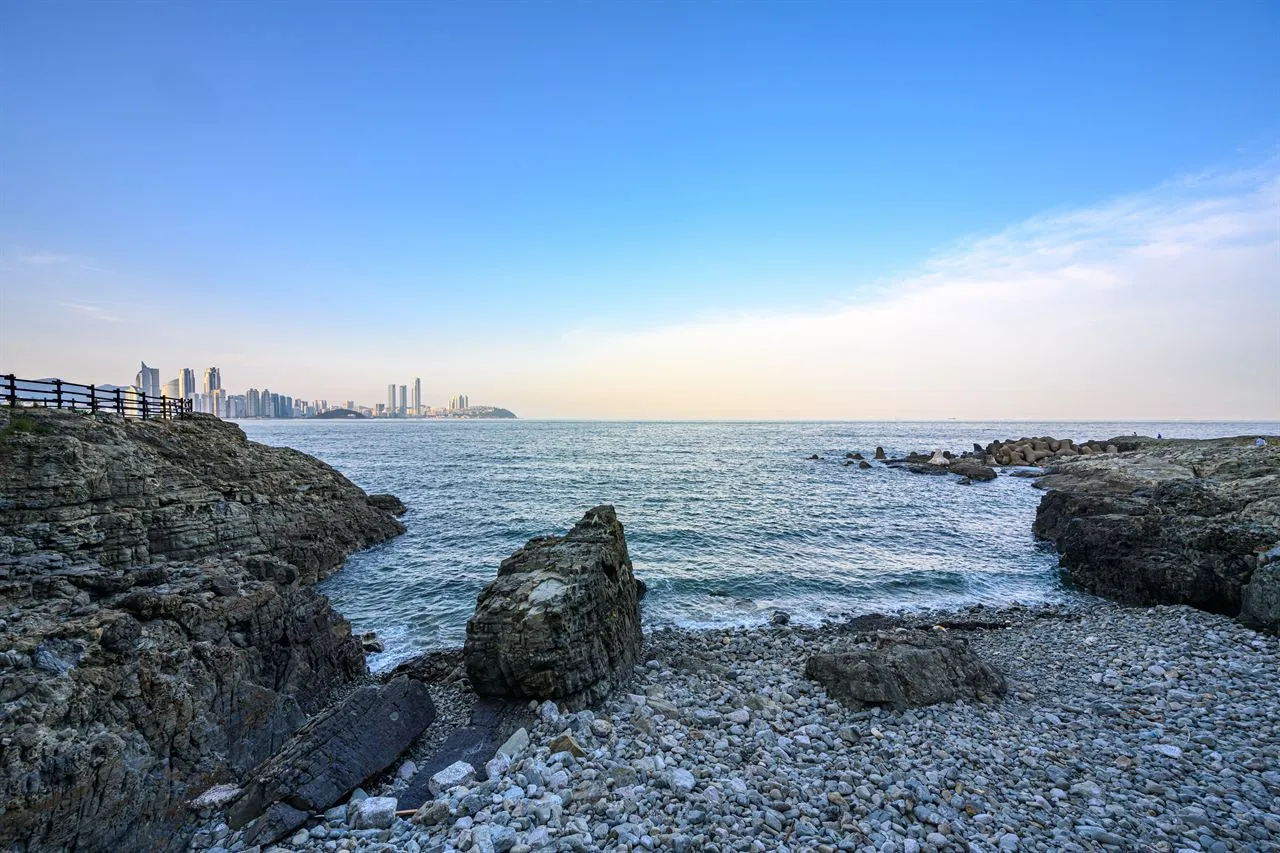
For the wider picture, including the Seoraksan and Naejangsan timing that a November trip usually misses or catches, see the Korea autumn foliage guide.
Does it snow in Korea in November?
Sometimes in Seoul, rarely in Busan and Jeju, and more often on high mountains. The KMA normals record 2.3 days with snow in Seoul, 0.1 in Busan, and 0.4 in Jeju City. Those are averages, so any single November can have none or a little more.
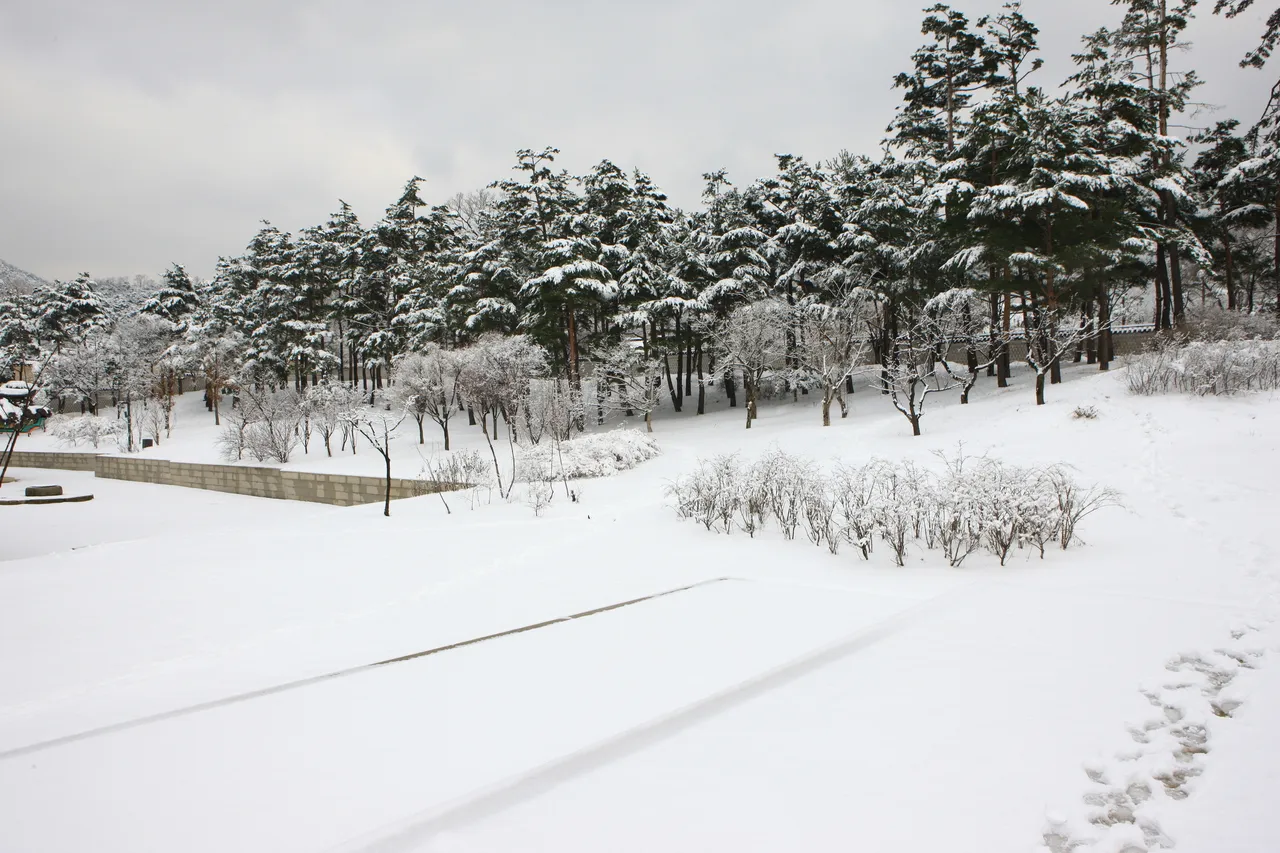
Snow on the ground in a city in November is uncommon and not something to plan around. The likelier place is high ground: northern peaks such as Seoraksan and the upper slopes of Hallasan can see snow or ice earlier than the cities below.
If you want a snowy trip, November is early. The Korea winter travel guide covers the months when snow is more likely.
Rain and wind
Monthly rainfall is close for Seoul and Busan, about 51 mm and 50 mm, and higher for Jeju at about 70 mm. The difference is in how often it falls: Seoul has recorded rain on about 9 days, Busan on about 6, and Jeju on about 10.
Wind follows the coast. The average wind speed is 2.2 m/s in Seoul, 3.1 m/s in Busan, and 3.4 m/s in Jeju City. This guide gives no wind figures for individual beaches or headlands, because station averages do not measure them.
What matters for planning is exposure. Open beachfronts, headland trails, and mountain ridges feel colder than the station number suggests, and sheltered streets feel warmer. Keep an indoor option ready for a wet or windy day, especially on Jeju.
What to wear in Korea in November
Dress in layers you can add and remove, because indoor spaces are heated and outdoor mornings are cold. A base layer, a mid-layer, and a windproof or water-resistant outer layer cover most days. This is practical guidance based on the climate data above, not a rule.
| Situation | What to wear |
|---|---|
| Early November, cities | Light layers, a sweater or fleece, and a jacket |
| Late November, Seoul | Medium-weight coat, scarf, hat, and gloves for mornings and evenings |
| Seoul in general | Warmer than you expect after dark; the cold-sensitive may want a light down layer |
| Busan | Layers plus a windproof jacket; a scarf for the beach and the evening |
| Jeju | Layers plus a windproof, water-resistant shell; wind and rain are the issue |
| Mountains | Warm mid-layer, hat, gloves, grippy footwear, and a spare layer for the summit |
A heavy down parka is not necessary for everyone. Most visitors do well with a medium-weight coat over layers, and a light down jacket is enough for the cold-sensitive in Seoul in late November. Save the heaviest gear for high ground or for travelers who feel the cold easily.
Packing checklist
- Layers: long-sleeve tops, a sweater or fleece, and one medium-weight coat
- A windproof outer layer, ideally water-resistant
- Scarf, hat, and light gloves for mornings, evenings, and coastal walks
- Comfortable, grippy walking shoes, and waterproof ones for Jeju
- Warm socks and thermal base layers if you run cold
- Compact umbrella or rain shell
- Lip balm and moisturizer, since heated rooms are dry
- Daypack for shedding layers through the day
- Sunglasses for low autumn sun
- A power bank, because cold drains phone batteries faster
Seoul, Busan, or Jeju: where to go
There is no single winner, because the three regions trade different things. The table sets out what each gives you in November and what it costs.
| Destination | Weather feel | Best for | November strengths | Main tradeoff |
|---|---|---|---|---|
| Seoul | Coldest of the three; a coat by late month | Palaces, museums, food, and city hikes | Many indoor options for cold or wet hours | Cold mornings and evenings; snow possible |
| Busan | Cool and drier; windy on the coast | Coastal walks, seafood, and quieter beaches | More sun and fewer wet days than Seoul | Wind by the sea; not a swimming month |
| Jeju | Mildest, but windy, cloudy, and wetter | Nature, drives, and mandarin season | Milder temperatures and lowland color | Weather can cancel outdoor plans; rental car is usual |
For each destination, use the city guide: Seoul, Busan, or Jeju. The November guides for Busan and Jeju go deeper on wind, clothing, and trails.
November experiences worth planning around
Palace visits are easier in cool weather than in summer heat, and city palaces can still carry autumn color. Some palaces run evening viewing on a schedule that changes, so confirm dates in the palace night viewing guide and on the official palace site.
A city mountain is a good half-day in dry, cool weather. The Seoul mountain hikes by subway guide sorts routes by difficulty, and the Bukhansan guide covers the national park.
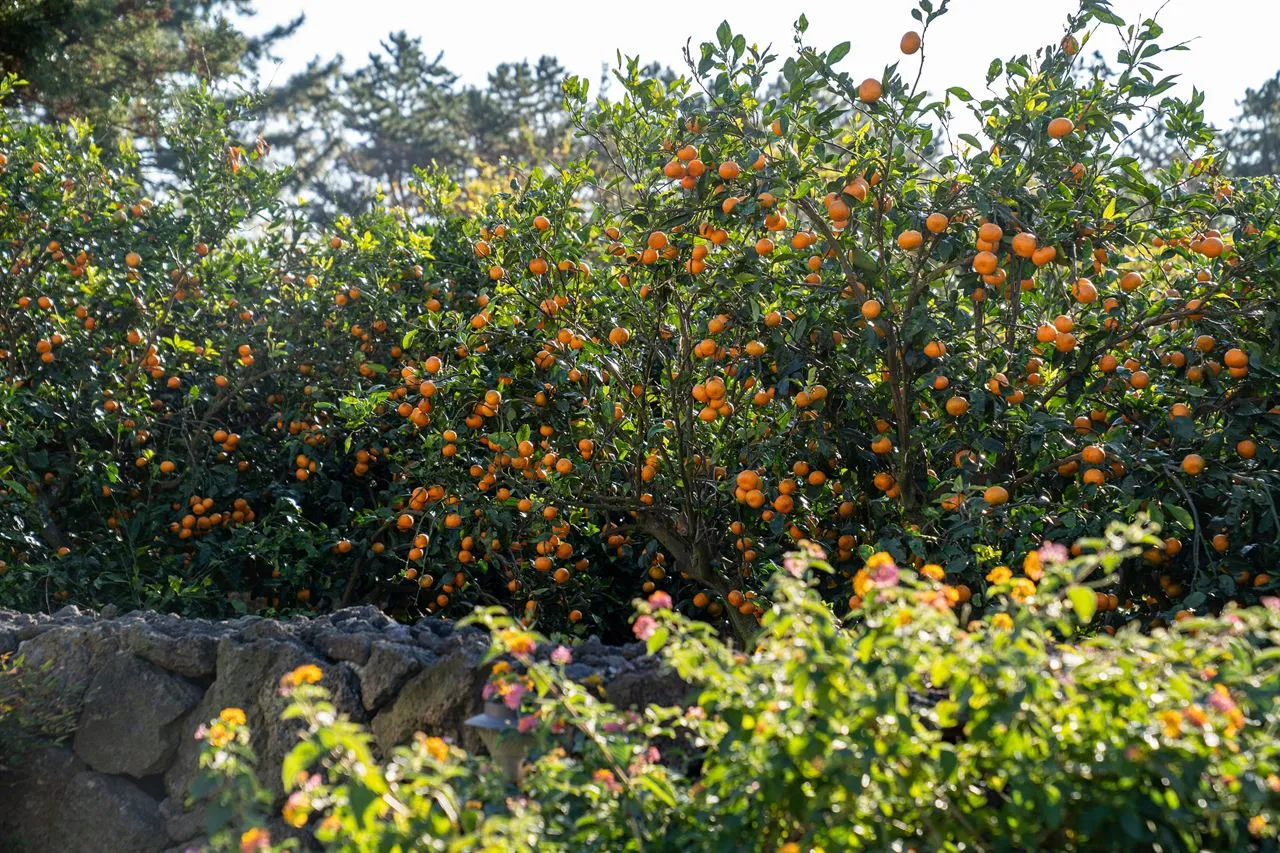
On Jeju, mandarin orchards are a November sight, and the Jeju guide covers orchard etiquette. On the Busan coast, walking a headland trail on a dry afternoon is the main draw, with a warm layer for after sunset.
Food notes
Cold evenings suit hot, filling dishes, and most of them are available all year, so there is no November-only menu to chase. The what to eat in Korea guide and the Busan food guide cover the dishes worth planning meals around.
If you have dietary needs, including Muslim, vegetarian, or allergy needs, check ingredients with each restaurant directly. Do not assume a dish is suitable from its name.
A 7-day and 10-day plan
This is one compact example, not a full route. It uses the fewest long moves and puts the cold-sensitive stops early in the trip.
| Days | 7-day version | 10-day version |
|---|---|---|
| 1 to 4 | Seoul: palaces, a city mountain, food districts | Seoul: same, with a fourth day for a day trip or museums |
| 5 to 7 | Busan by KTX: coast, markets, a temple | Busan by KTX: coast, markets, a temple |
| 8 to 10 | Not applicable | Jeju by flight: lowland drives and one weather-flexible day |
Keep a spare half day for wet or windy weather, especially before a Jeju flight. Check current train and flight schedules before you fix dates.
The live itineraries go further. The 7-day itinerary adds Gyeongju to the Seoul and Busan route, and the 10-day itinerary covers Seoul, Gyeongju, Busan, and Jeju.
Is November a good time to visit Korea?
Yes, for travelers who want cool weather, palaces, walking, food, and a calmer pace than the peak foliage weeks. It is a weaker choice if your priority is guaranteed red leaves, swimming, or a snowy scene.
Early November is the gentlest and gives the best odds of color. Late November is colder and quieter, and a good fit if you pack for it.
Common mistakes
- Packing summer clothes for Busan or Jeju because the south is milder
- Bringing a heavy down parka for every city and every day
- Booking one date around a foliage "peak" that shifts every year
- Ignoring wind on Busan and Jeju beaches and headlands
- Assuming Jeju is warm beach weather
- Planning a Hallasan summit hike without checking the park's reservation rules and earlier winter entry cutoffs, which the park's notices describe
- Trying Seoul, Busan, and Jeju in a week with no weather buffer
Frequently asked questions
Is November a good time to visit Korea?
Yes for cool weather, palaces, walking, and food. It is weaker for swimming and for a guaranteed foliage display.
Is Korea cold in November?
It depends on the region. Seoul's average daily range is 3.5 to 11.9 °C, Busan's is 8.3 to 16.6 °C, and Jeju City's is 10.4 to 16.4 °C in the KMA normals.
What should I wear in Korea in November?
Layers, with a medium-weight coat for Seoul and a windproof jacket for the coast. See the what to wear section for a breakdown.
Do I need a winter coat in Korea in November?
A heavy one is not necessary for everyone. A medium-weight coat covers most people in late November, and the cold-sensitive can add a light down layer in Seoul.
Can you see fall foliage in Korea in November?
Sometimes. Lower ground and the south are likelier than the high northern mountains, and timing varies by year. Check the Korea Forest Service map for your dates.
Does it snow in Korea in November?
Occasionally in Seoul, at about 2.3 days on average in the KMA normals, and rarely in Busan and Jeju. High mountains are likelier to see snow.
Is Busan warmer than Seoul in November?
Yes. Average highs are 16.6 °C in Busan and 11.9 °C in Seoul, and lows are 8.3 °C and 3.5 °C.
Is Jeju warm in November?
It is the mildest of the three in the normals, with a mean of 13.3 °C. It is also the windiest, cloudiest, and wettest, so it does not feel like beach weather.
Can I hike in Korea in November?
Yes, on marked trails in dry weather. Mountains are colder than the cities, and Hallasan's summit sections need a reservation with earlier winter entry cutoffs, according to the park's notices.
Does it rain a lot in Korea in November?
Not heavily. Monthly totals are about 50 to 70 mm, and Jeju has the most rain and the most wet days.
Which is better in November: Seoul, Busan, or Jeju?
It depends on what you want. Seoul suits palaces and city days, Busan suits coastal walks in milder air, and Jeju suits nature and drives if you accept wind and cloud.
Can I visit Seoul, Busan, and Jeju in one November trip?
Yes, with about 10 days and a weather buffer. In a week, Seoul and Busan is the more relaxed choice.
Check before you go
- KMA forecast and any wind or rain warnings near your dates
- The Korea Forest Service's current foliage map if color is your priority
- Palace, park, and Hallasan notices for closures and reservation rules
- Sunrise and sunset times for each of your days
Sources
- Korea Meteorological AdministrationOfficial weather service
- Korea Meteorological Administration Open Data Portal: 1991 to 2020 climate normals (Busan and Seoul stations)Official weather service
- Korea Meteorological Administration Open Data Portal: 1991 to 2020 climate normals (Jeju and Seogwipo stations)Official weather service
- Korea Forest Service (산림청)Official government site
- Korea Forest Service 2026 foliage peak forecast map, as reported by MHNSnews_report
- Hallasan National Park reservation system: official notices (entry restrictions, winter hours, reservation rules)Official government site
- Visit KoreaOfficial tourism site
- Visit Busan (official Busan tourism)Official tourism site
- Visit Jeju (official Jeju tourism)Official tourism site
- Korea Astronomy and Space Science Institute: sunrise and sunset timesOfficial government site
Information is compiled from official sources. Details such as prices, hours, and schedules can change. Confirm time-sensitive facts before you travel.
Last verified on
Related guides
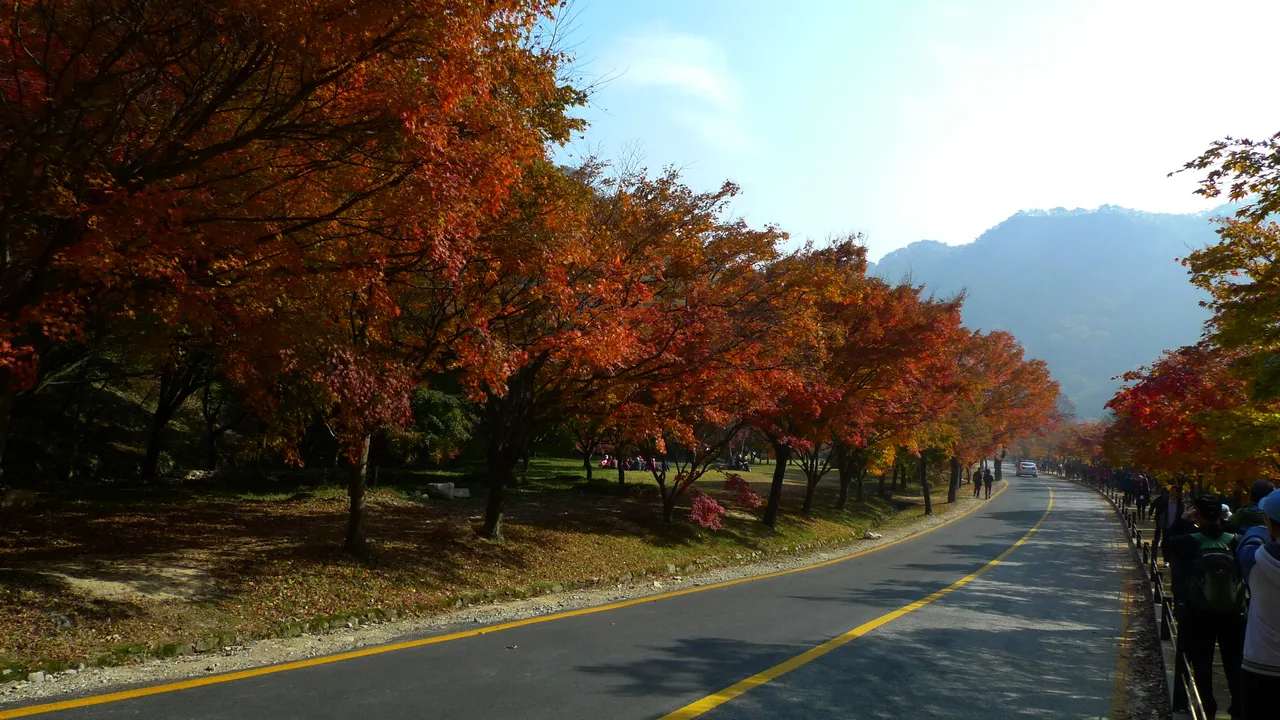
Korea in Autumn: When to Go, Fall Foliage Timing, and Best Places to See Autumn Colors
Autumn is one of Korea's best seasons, crisp weather and foliage that sweeps from the northern mountains down to the southern islands from late September to late November. Plan around the pattern rather than a fixed date: foliage starts high and north and moves south, peak comes roughly two weeks after the first color, and forecasts shift every year. Timing, the best city, day-trip, and mountain spots (including options for non-hikers), pink muhly, what to pack, and how to beat the peak-season crowds are all covered below. Check the official KMA and VisitKorea forecast before you lock in dates.
Korea in Winter: Ice Fishing Festivals, Ski Resorts Near Seoul, and How to Survive the Cold
Korean winter is genuinely cold, Seoul regularly drops below freezing, but it's the country's most underrated season: the lowest airfares and hotel rates, palaces far quieter than in spring, snow-and-hanbok photos, and festivals built on the cold. How cold it really is, the Hwacheon ice fishing festival, ski resorts near Seoul, winter food and the jjimjilbang, snow scenery, and exactly what to wear are all below. Festival and resort dates shift every year, so treat timing as approximate and confirm the official dates.