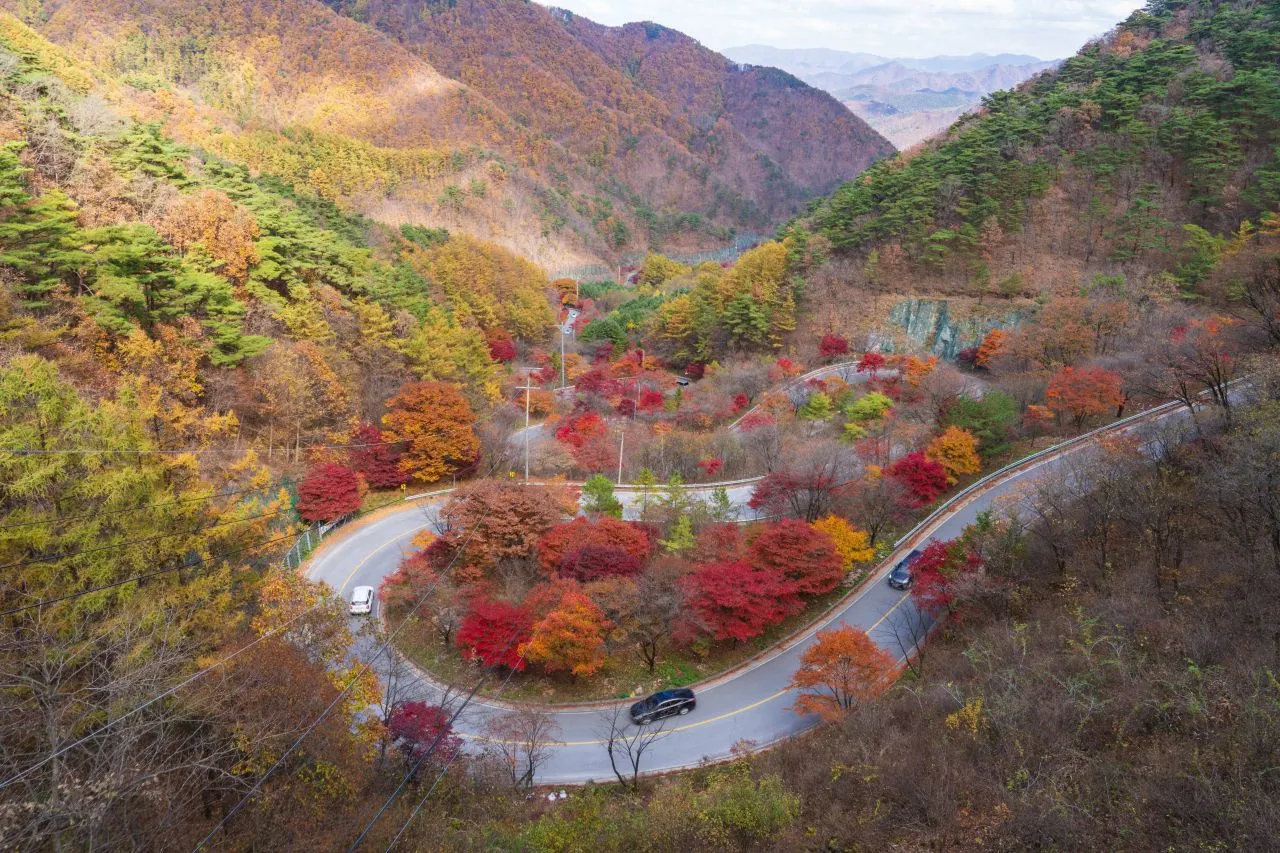
Danyang in autumn is a one-night river town plus a mountain-pass drive, not a single walkable cluster.
Bobaljae is not next to the station. Dodamsambong and Mancheonha sit in the central river belt.
Bobaljae, Guinsa, and Ondal sit farther north toward Sobaeksan.
There is no official 2026 Bobaljae peak date. Treat color as a weather window.
Without a car, plan a taxi for the pass. Do not copy an old county bus table as a 2026 timetable.
Book Korail+ for the Jungang Line to Danyang Station. Confirm the Seoul-area origin on the ticket.
2026 foliage (forecast, not a promise)
Visit Korea's 2026 Fall Foliage Forecast (8 September 2026) currently places first foliage at Seoraksan around 3 October, with nationwide peak from mid-October through early November.
That map does not name a Bobaljae peak day. Inland passes often turn later than the Gangwon high ridges. Recheck Visit Korea and Danyang County closer to your week.
| Term | What it means here |
|---|---|
| First foliage | Color has started somewhere in Korea; Danyang may still look green |
| Bobaljae window | A short drive-season on a 540 m pass; wind and rain can strip it fast |
| After peak | Maples can drop while the river town still looks ordinary |
Do not visit "on 25 October for perfect leaves." That date is not an official 2026 Bobaljae forecast.
Korea-wide date logic stays on the Korea autumn travel guide.
Quick facts
- From Seoul
- Jungang Line to Danyang Station; some trains are KTX-Eum
- Stay
- 1 night in the river town is the practical default
- Central cluster
- Dodamsambong, Mancheonha, Jando, Gugyeong Market
- Northern cluster
- Bobaljae pass, then Guinsa; Ondal only if time
Two Danyang maps, not one
| Cluster | What it is | How you move |
|---|---|---|
| Central / river | Station, town, Dodamsambong, Mancheonha, Danyanggang Jando, Gugyeong Market | Taxi, short walk, or a live local bus |
| Northern / Sobaeksan fringe | Bobaljae, Guinsa, Ondal | Car or taxi. Treat bus as unverified unless you check the same day |
Bobaljae is a scenic road and viewpoint, not a ticketed botanical garden and not a full hike.
Is this trip worth it?
Yes, if you want a river town plus one autumn pass, and you will pay for a taxi or rental on Day 2.
Good for
- Repeat visitors after Seoul who want foliage without a national-park trail
- Travelers with a car, or a budget for taxis
- Food travelers who want Danyang garlic at the market
Less ideal for
- Anyone who needs Bobaljae on a city-bus timetable
- First-timers with only two Korea days
- A same-day Seoul return that tries to stack the pass, Guinsa, Ondal, and the skywalk
Seoul to Danyang Station
Danyang sits on the Jungang Line. Book through Korail+. See how to book KTX. Do not copy a full timetable here.
KTX-Eum is a real current service to Danyang Station. It is not the only train on the line. ITX-Maum and slower trains also stop. Read the train type on the ticket.
Typical rail time from the Seoul area is about 1.5 to 2 hours, depending on the train. Many useful departures use Cheongnyangni. Some Jungang trains also use Seoul Station. Confirm the origin in the app.
Danyang County also lists East Seoul (Dong Seoul) intercity buses as a road option. Treat that as a backup, not a hidden faster KTX.
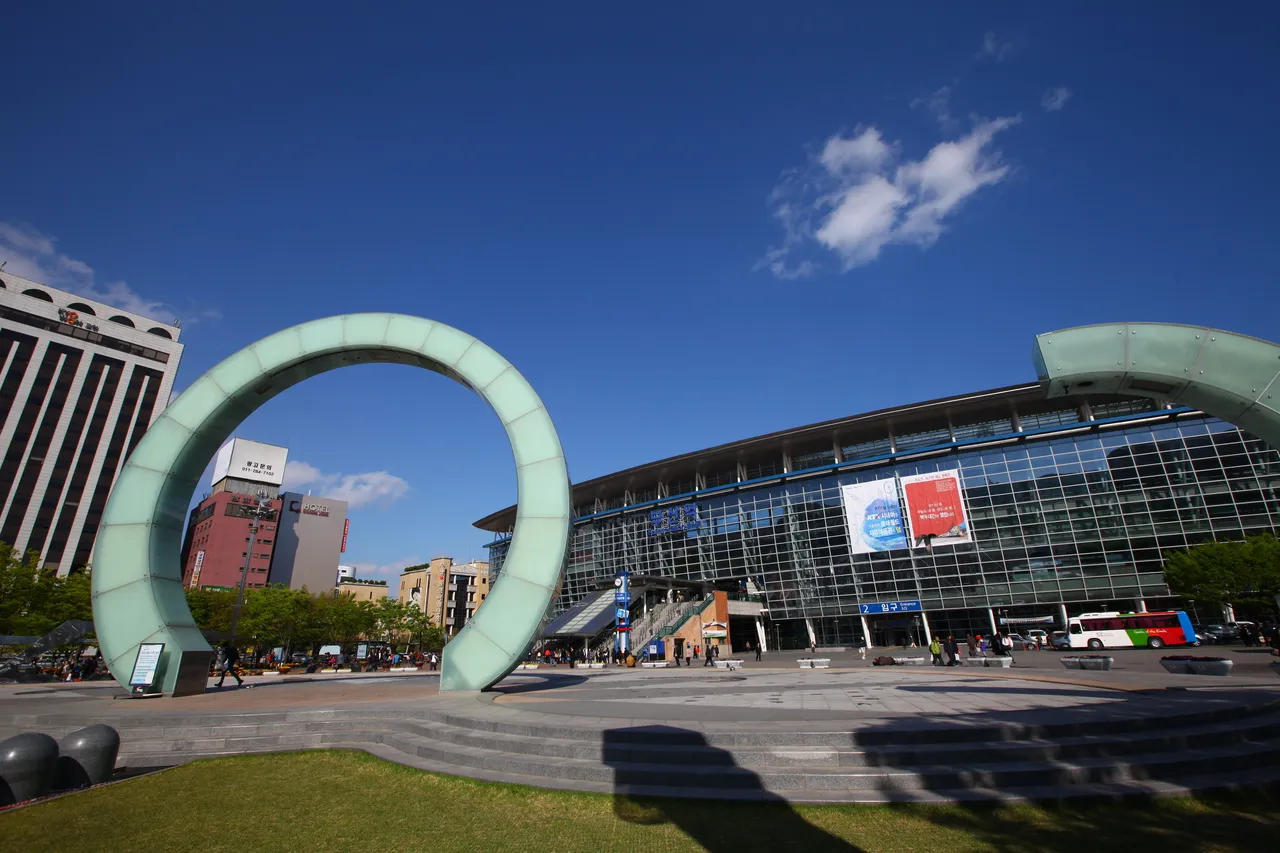
Danyang Station is in Danyang-eup, west of the riverfront lodging belt. It is closer to Mancheonha than to Bobaljae. A taxi into town is the simple bag-drop.
Local transport (do not paste 2023 tables)
The county tourism site publishes train, intercity-bus, and local-bus notes. Some local-bus sections have lagged behind the calendar. A 2023 table is not a 2026 live schedule.
Do not invent route numbers or first-bus times.
| Leg | Honest option |
|---|---|
| Station → town / market | Taxi, or a local bus confirmed on Naver Map / KakaoMap that day |
| Town → Dodamsambong | Taxi (short). Some local buses pass the area; confirm live |
| Town → Mancheonha / Jando | Taxi or a short combination walk after a drop-off. Operator shuttles may run inside the skywalk parking system |
| Town → Bobaljae | Taxi or car. Do not assume a useful tourist bus |
| Bobaljae → Guinsa | Short taxi or drive. KTO notes Guinsa as nearby by car |
A T-money card can work on local buses when they run. Carry cash for taxis in the northern valleys.
Car vs no-car: a rental or a day taxi makes Bobaljae honest. Without either, keep Day 1 in the river cluster and skip the pass, or budget a round-trip taxi and accept the meter.
Bobaljae: autumn anchor, with an access caveat
Bobaljae Pass (보발재; older name Godeuneomijae) is a winding about 3 km road on the northern side of Sobaeksan, listed around 540 m. KTO describes an S-curve, spring wildflowers, autumn maples, an observatory, and nearby Guinsa and Ondal.
It is open as a public road, not a gated park. Listings commonly show no admission fee and an all-day observatory. Confirm on the county page if a temporary control is in force.
Parking sources disagree. Some KTO English listings say parking is available. Local county notes have described a temporary lot near the observatory, not a large permanent garage. In foliage season, staff and overflow rules can appear.
Do not stop on the hairpin road for photos. Use the observatory or a marked lot. Autumn weekends bring extra cars and walkers on a narrow pass.
Give the viewpoint 30 to 60 minutes, plus slow driving. That is a lookout, not a half-day hike.
Central cluster: river town
Do this on Day 1 while bags sit at the hotel.
Dodamsambong
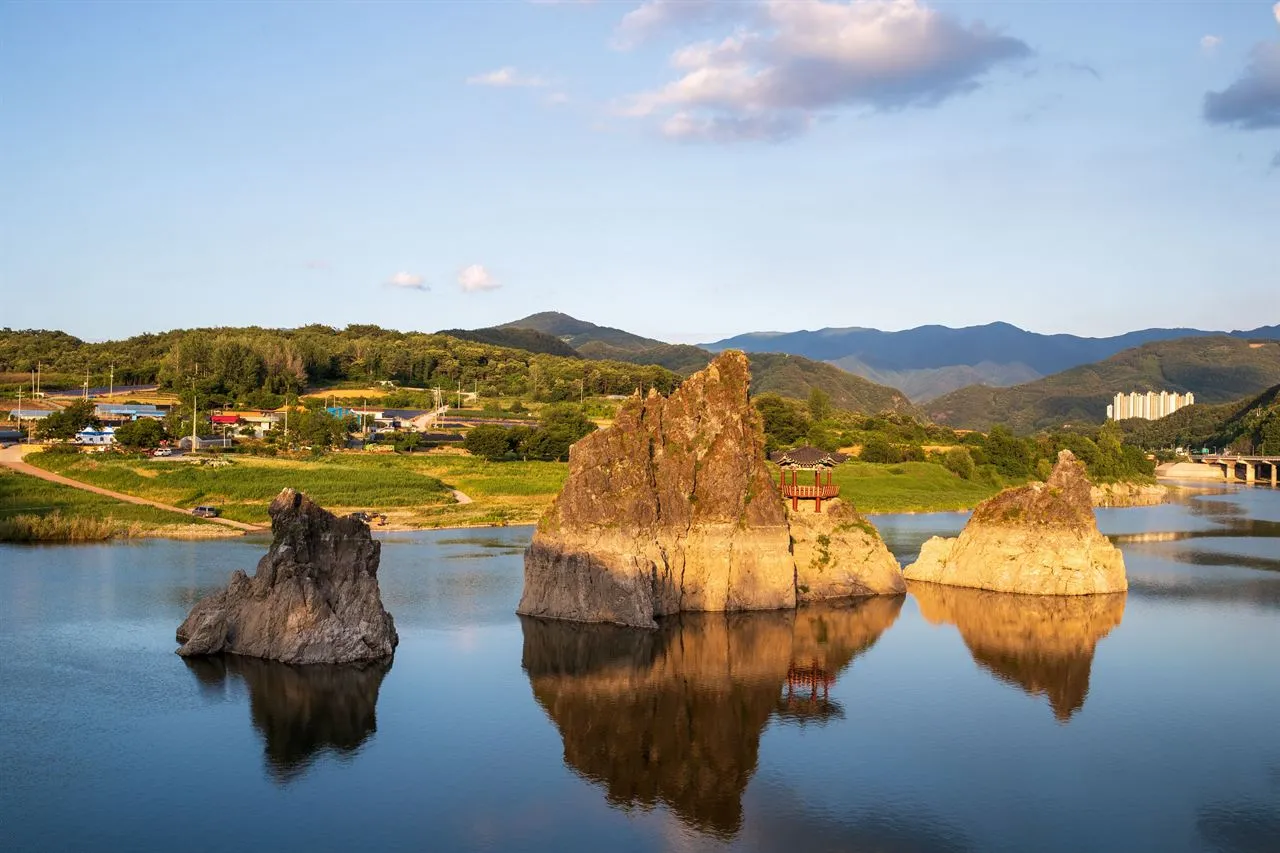
Dodamsambong (도담삼봉) is three limestone peaks in the Namhangang, Scenic Site No. 44 and the usual first of Danyang's eight views. Korea Heritage Service lists the designation from 2008.
The peaks are free to view from the riverside. Parking is typically paid. A short walk reaches Seokmun (Stone Gate), the second of the eight views. A cruise or motorboat is optional; hours follow the operator and the weather.
You do not need the boat to understand the place.
Mancheonha Skywalk
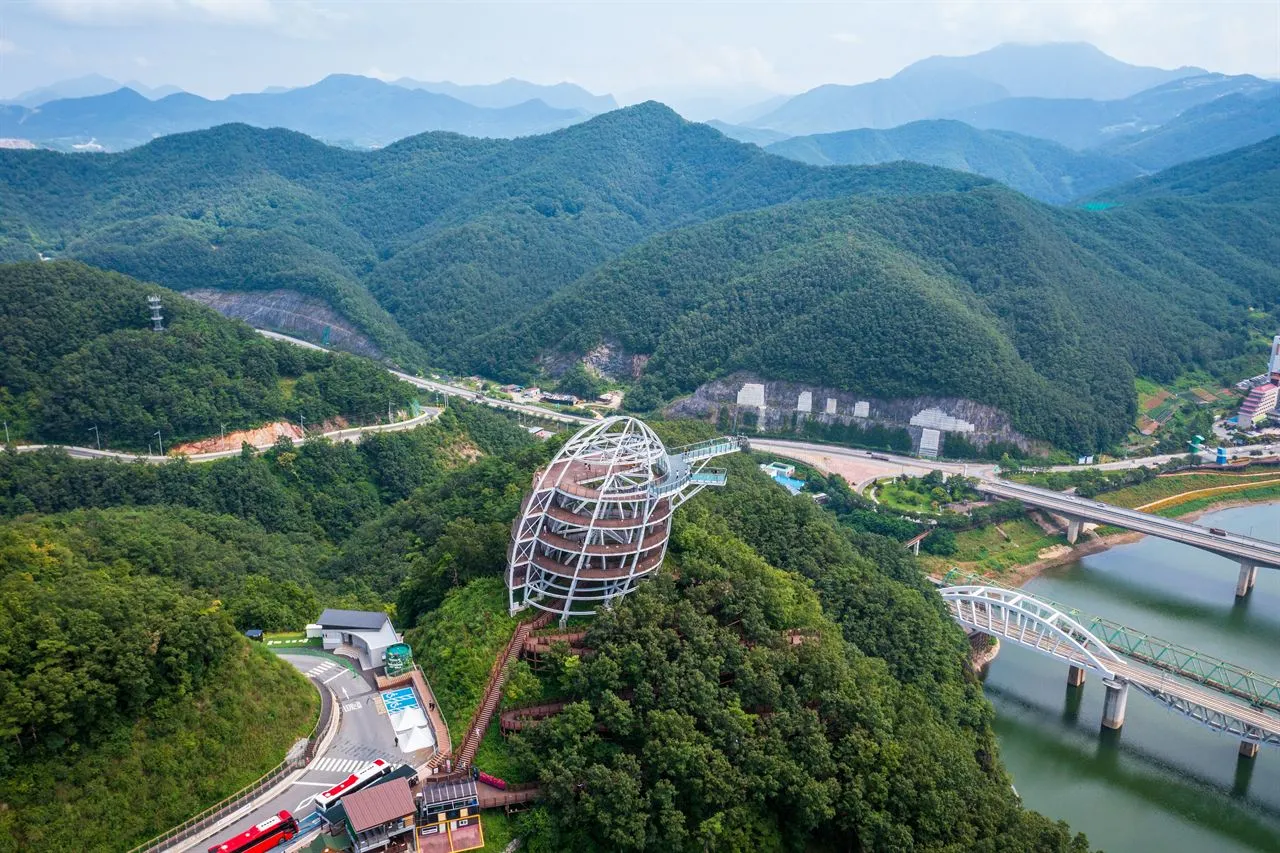
Mancheonha Skywalk (만천하스카이워크) is a cliff observatory about 80 to 90 m above the river, with a glass-floor deck. Visit Korea currently lists summer 09:00 to 18:00 and winter 09:00 to 17:00, with ticketing ending one hour before close. Hours vary by facility (zip line, alpine coaster). Confirm on the Danyang Tourism Organization Mancheonha page the morning you go. Some local lists note a weekday close. Do not copy an old fee table.
Park in the marked lots. A shuttle often links lower lots to the deck. Private cars do not drive onto the glass.
Danyanggang Jando
Danyanggang Jando (단양강 잔도) is a about 1.2 km cliff walk along the Namhangang, near Mancheonha. Visit Korea lists it as a free trail. Wear shoes with grip. It is a walkway, not a mountain ridge.
Pair Jando with the skywalk. Do not add a second long hike the same afternoon you still need taxis north.
Food: garlic, then the market
Danyang garlic is the local identity. Visit Korea's market notes mention garlic tteokgalbi, dakgangjeong, and dumplings as common stall food.
Gugyeong Market (단양구경시장) is the in-town food stop: many stalls, not one restaurant. Traditional market days are often listed on dates ending in 1 and 6. Other stalls may still open. Confirm on the day.
Garlic dishes here are usually meat. They are not a certified vegetarian or halal product. If you avoid pork, shellfish, or gluten, ask before you order.
Skip a 10-shop ranking. Hours change.
Northern cluster: Guinsa and Ondal
Do this with Bobaljae, not as a third zigzag back to town and out again.
Guinsa
Guinsa (구인사) is the head temple of the Cheontae Order, in Yeongchun-myeon. Visit Korea currently lists admission free, open 24 hours, and a paid parking lot. Templestay is separate.
From the lot, an uphill walk or a temple shuttle (when running) reaches the gate. Expect stairs. This is not a flat courtyard temple.
Pair it with Bobaljae by car. KTO's Bobaljae note puts Guinsa about a 10-minute drive away. Confirm the live taxi time.
Temple meals, if you eat on site, follow the kitchen that day. Do not assume a certified vegan menu.
Ondal Tourist Area
Ondal (온달관광지) combines a limestone cave, fortress remains, and festival grounds in the same northern valley. Visit Korea currently lists Ondal Cave hours around 09:00 to 18:00 in summer and 09:00 to 17:00 in winter, last entry one hour before close, with a paid cave ticket.
It is a useful extra only if Bobaljae and Guinsa finished early. It is not required for the autumn pass.
Skip Gosu Cave on this 1N2D. This page does not own every Danyang cave.
Where to stay
| Area | Best for | Tradeoff |
|---|---|---|
| River town / Danyang-eup | Market, Jando, taxis, evening walk | Far from Bobaljae |
| Near Dodamsambong | Peak views at dawn | Quieter dining |
| Resort belt (Sono / Sambong-ro) | Families who want a hotel campus | Extra taxi to the pass |
Book earlier for late-October weekends. That is seasonal demand, not a scare line.
1 night / 2 days (default)
Day 1, river-first (best after a morning train)
KTX or ITX to Danyang Station → drop bags in town → Dodamsambong (and Seokmun if legs allow) → Mancheonha and a stretch of Jando → Gugyeong Market dinner.
Day 2, pass-first (needs a car or taxi)
Bobaljae observatory in morning light → Guinsa → optional Ondal only if the cave hours still work → station for Seoul.
If the pass is fogged in, skip it. Do Guinsa or stay in town. Do not force a photo stop on a wet hairpin.
No-car version
Day 1 stays the same. Day 2 is either a pre-agreed taxi loop (Bobaljae plus Guinsa) or a slower town morning and an earlier train. Without that taxi, skip Bobaljae. The river cluster is still a real trip.
Day trip from Seoul?
Possible with an early outbound, central cluster only, and a watched return train.
Adding Bobaljae the same day needs a car and luck with daylight. One night is the planning default.
Common mistakes
- Treating Danyang as one walkable downtown
- Assuming every Jungang train is KTX-Eum
- Copying a 2023 local-bus PDF as today's timetable
- Stopping on the Bobaljae road for photos
- Stacking Bobaljae, Guinsa, Ondal, the skywalk, and a cave in one daylight window
- Inventing a Bobaljae peak date
- Ranking one garlic stall as the whole market
FAQ
When should I go in 2026? Visit Korea currently dates first nationwide color around 3 October at Seoraksan, with peak from mid-October through early November. There is no official Bobaljae peak day in that forecast. Recheck the week you travel.
Is there a KTX to Danyang? Yes. KTX-Eum runs on the Jungang Line to Danyang Station. Other train types stop too. Book Korail+ and read the label.
Can I see Bobaljae without a car? Only with a taxi or a tour. Do not count on a tourist bus unless you confirm it the same morning.
Where do I park at Bobaljae? Use the observatory or a marked temporary lot. Listings conflict on how large that lot is. Do not park on the curve.
Is Mancheonha the same as Bobaljae? No. Mancheonha is a paid cliff deck over the town river. Bobaljae is a northern mountain pass.
Is Guinsa required? No. It is the best northern add-on if you already have a car for the pass.
Is one night enough? Yes as the standard shape: river on Day 1, pass on Day 2. Two nights only if you want Ondal, a cave, or a slower taxi budget.
Final takeaway
Ride the Jungang Line to Danyang Station, keep Dodamsambong and Mancheonha in town, and treat Bobaljae as a car-or-taxi pass, not a subway exit. Color will not wait on a single calendar square.
Sources
- Visit KoreaOfficial tourism site
- KORAILOfficial transport site
- Danyang County tourism (official)Official tourism site
- Danyang Tourism Organization: Mancheonha Skywalk (official)Official tourism site
- Korea Heritage Service (국가유산청)Official government site
Information is compiled from official sources. Details such as prices, hours, and schedules can change. Confirm time-sensitive facts before you travel.
Last verified on
Related guides
Korea Autumn Travel Guide: Fall Foliage, Ginkgo and Silver Grass
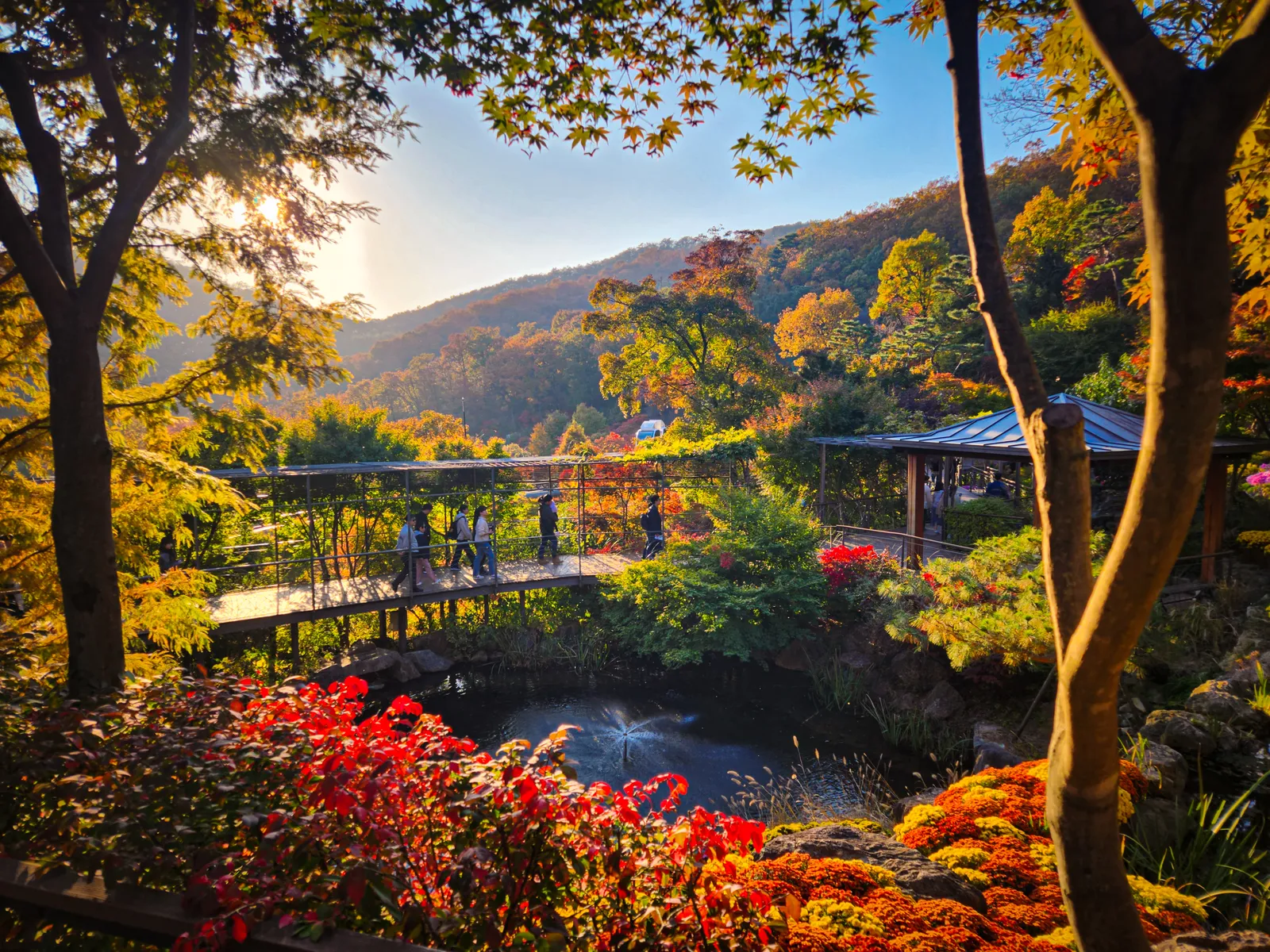
Korean autumn is not one peak day. Color starts on high northern mountains, then moves toward Seoul and the south, while ginkgo yellow and silver grass follow their own calendars. This guide is a date-based planner for four primary trips: Seoraksan, Yongmunsa's giant ginkgo, Hwadam Botanic Garden, and Mindungsan silver grass. As of early September 2026, the official nationwide foliage forecast had not yet been released, so treat every timing note as a pattern and re-check Forest Service and VisitKorea before you book.
How to Book KTX Train Tickets in Korea: KORAIL, SRT, Korail Pass, and Foreigner Tips
Korea's high-speed booking rules change on 1 September 2026, when KTX and SRT stop being two companies with two apps. Which rules apply depends on the date your train runs: through 31 August the two are still booked separately, and from 1 September the integrated Korail+ app books both. Below: how to book on either side of that date, which Seoul station fits your trip, paying with an overseas card, and what the fare cut does and does not cover.