
A Korea trip budget is a planning model, not a single magic number. Two people can spend very different amounts on the same itinerary because accommodation, food style, and paid attractions move the total more than any one average figure.
This page answers how much money to plan for a Korea ground trip, and which choices change that amount most.
It does not invent a false-precision daily total. It also does not replace payment setup.
For cards, cash, and prepaid options, use how to pay in Korea.
Scope of this guide
| In scope (Korea ground planning) | Out of scope on this page |
|---|---|
| Lodging inside Korea | International flights to/from Korea |
| Local transit (subway, bus, taxi) | Duty-free shopping budgets |
| Intercity trains and domestic flights | Business travel per-diems |
| Everyday food and optional dining | Investment or long-stay visa costs |
| Paid attractions and experiences | "Average tourist spends X" claims without a transparent sample |
| Small daily cash buffer | Guaranteed cheapest deals |
Ground-trip here means: after you land, until you leave. Build airfare separately.
Quick answer
| Budget driver | How much it usually moves the total | Notes |
|---|---|---|
| Accommodation | Largest flexible line for most trips | Hostel bed vs hotel vs suite changes the whole model |
| Food style | High variance | Convenience meals vs sit-down restaurants vs nightlife |
| Local transit | Relatively predictable | Transit card top-ups; taxis add spikes |
| Intercity travel | Medium to high when you leave one city | KTX/SRT and domestic flights are separate line items |
| Paid attractions | Optional and uneven | Many parks and walks are free; theme parks and shows are not |
| Shopping | Exclude from base plan | Treat as a separate discretionary budget |
There is no single honest "Korea costs ₩X per day" figure that fits every traveler. Build bands from your choices, then confirm current prices.
What drives the budget most
Accommodation
For most visitors, where you sleep is the biggest controllable cost. City core hotels, business hotels near stations, guesthouses, and hostels sit in very different bands. Peak cherry blossom, autumn foliage, and major holiday weekends push rates up.
Do not use one random hotel quote as "the Seoul average." Compare a few properties for your dates, then lock that line into the plan. Area guides under Where to Stay help with neighborhood choice; they are not price guarantees.
Food
Food cost tracks mix, not nationality of the cuisine:
- Convenience stores and bakery chains keep days cheap.
- Everyday restaurants sit in a middle band that varies by neighborhood and order size.
- Bars, fine dining, and multi-course meals are high-variance add-ons.
Market stalls can be good value, but tourist-facing stalls sometimes price higher. See the Gwangjang Market tourist price guide for how to read market pricing carefully. No food category is automatically halal, vegan, or allergy-safe; check ingredients when that matters.
Local transport
Once you have a T-money card, subway and bus travel is one of the more predictable daily costs. Fares are published by operators and change over time, so check current figures before you rely on an old blog number.
Taxis and late-night rides add spikes. Airport rail and airport buses are one-time transfers on arrival and departure; compare options in the Incheon Airport to Seoul guide.
Intercity transport
Moving Seoul to Busan, Seoul to Gyeongju, or Seoul to Jeju is not a tiny daily subway line. High-speed rail and domestic flights should sit as trip-level line items, not as a rounded daily average that hides them.
Use how to book KTX and the KORAIL Pass guide when rail is part of the plan. Pass math only works if you will actually ride enough segments.
Activities and attractions
Many high-value Seoul hours are free or low-cost: stream walks, Hangang parks, some museum windows, neighborhood wandering. Paid days (theme parks, shows, special exhibitions) can outweigh a whole day of food.
For zero-ticket and conditional-free options, start with free things to do in Seoul. Confirm each site's current admission rules on official pages.
Shopping
Shopping is the line that most often wrecks a "daily average." Cosmetics, souvenirs, and electronics are discretionary. Keep a separate shopping cap so base lodging and food planning stay honest.
Low, mid, and higher flexibility frameworks
These are planning styles, not official price tables and not guaranteed daily totals.
| Style | What it usually looks like | What you trade |
|---|---|---|
| Lower spend | Shared or simple lodging, convenience and everyday meals, free walks, transit over taxis, few paid attractions | Less space, less nightlife, less "do everything" density |
| Mid-range | Private mid hotel or good guesthouse, mix of restaurants and cafes, a few paid tickets, rail between cities as needed | The default for many first-timers who want comfort without luxury |
| Higher spend | Central hotels, frequent sit-down dining, taxis when tired, multiple paid experiences, flexible shopping | Highest variance; easy to under-estimate food and nightlife |
Pick a style per city stay, not one label for the whole country. Jeju car rental weeks and Seoul subway weeks do not share the same cost shape.
Fixed, flexible, and high-variance costs
| Type | Examples | How to plan |
|---|---|---|
| Near-fixed | Transit card purchase, known rail tickets, prepaid attraction tickets | Confirm official fares, book when dates are firm |
| Flexible | Hotel tier, restaurant mix, taxi vs subway | Set a daily food cap and a lodging cap |
| High-variance optional | Nightlife, shopping, spas, multi-park theme days | Keep outside the base budget; fund only if the base is covered |
A practical habit: write three numbers for the trip (lodging total, food estimate, transit including intercity), then a fourth optional pot for fun and shopping.
Sample planning worksheet (assumptions required)
Use this only as a worksheet, not as "the average Korea trip costs X."
Example assumptions (change them to match your trip):
- 6 nights, 7 days on the ground
- One city base (for example Seoul only)
- International flights excluded
- No major shopping haul
- One paid attraction day
- Transit card for local travel; no rental car
| Line | How to fill it | Example method (not a fixed quote) |
|---|---|---|
| Lodging | Nightly rate you actually found × nights | Your real booking total |
| Food | Your daily food cap × days | Cap you set, not a blog average |
| Local transit | Top-ups based on your ride pattern | Operator fares + buffer |
| Airport transfer | One arrival + one departure | Compare AREX, bus, taxi on official pages |
| Paid activities | Tickets you intend to buy | Official ticket pages only |
| Contingency | 10% to 20% of the above subtotal | ATMs, small emergencies, fare changes |
| Shopping | Separate | Zero in base model unless planned |
If you add Busan or Jeju, add intercity and possibly second lodging lines. Do not smoosh them into a fake "daily average" that hides the train ticket.
How to save money without bad trade-offs
- Sleep slightly outside the most expensive micro-location if transit is still easy.
- Use free outdoor time (Hangang, stream walks, neighborhood grids) between paid days.
- Prefer bagged supermarket snacks for flights home; do not force every meal to be a destination restaurant.
- Walk short hops when weather and luggage allow; save taxis for late nights and heavy bags.
- Book intercity rail when your dates firm up rather than buying every option "just in case."
- Keep shopping on a separate list so it does not steal the lodging budget.
Avoid false economies: a far hotel that forces daily long taxis, or skipping a transit card and paying single fares without understanding the trade-off.
Common mistakes
- Hunting for one "average daily budget" and treating it as a promise.
- Forgetting that lodging is usually larger than food for short city trips.
- Averaging a KTX ticket across days so the cost looks tiny until purchase day.
- Building a plan that assumes every attraction is free.
- Ignoring seasonal hotel spikes around major flower and holiday periods.
- Counting only card spend and forgetting cash needs for some markets or top-ups.
- Copying someone else's nightlife-heavy week as a "normal" first-timer budget.
- Leaving no contingency for fare changes or weather pivots.
FAQ
How much money do I need for a week in Korea?
Enough to cover your lodging total, food caps, local transit, airport transfers, and any tickets you already want, plus a contingency. There is no single honest week total for every traveler. Build the worksheet above with real rates for your dates.
What is a realistic daily budget in Seoul?
It depends mainly on lodging and food style. Two travelers in the same city can land in very different bands. Plan with caps, not with an invented average.
Does this include flights?
No. International airfare is outside this ground-trip scope. Add it separately.
Does this include hotels?
Yes, lodging inside Korea is in scope. Use actual quotes for your dates rather than a generic "hotel average."
Is Korea expensive?
Compared with what? Transit and many everyday meals can be moderate. Central hotels in peak season and nightlife can feel expensive. The country is not one price tier.
Should I bring cash or cards?
Both, in a simple mix. That is a payment question more than a budget total question. See how to pay in Korea.
How much should I budget for food per day?
Set a personal cap: convenience-heavy days sit lower; restaurant-heavy days sit higher. Confirm menu prices when you arrive rather than relying on old screenshots.
How much is transport per day?
Local subway and bus costs are relatively steady if you ride a normal tourist pattern. Intercity days are different: put those tickets on their own line.
Are museums and palaces free?
Some are free or free only under conditions (day, dress, age). Others charge. Check each official page. Start with free things to do in Seoul.
Should shopping be in my base budget?
Keep it separate so base lodging and food stay honest. Add a shopping cap only if you already know you will buy cosmetics or souvenirs.
Do I need a separate budget for Jeju or Busan?
Yes for intercity access and often for a second lodging block. Jeju car rental weeks have a different shape than Seoul subway weeks.
Can I travel Korea cheaply?
You can lower costs with simple lodging, free outdoor time, transit cards, and everyday food. "Cheap" still needs a real lodging line and a contingency.
The bottom line
Plan a Korea ground budget as drivers and line items, not as one borrowed daily average. Lock lodging with real quotes, set food and fun caps, treat intercity travel as its own cost, and keep shopping optional. Confirm current fares and ticket prices on official sources before you travel, and use Tripkopia's payment, transit, and free-Seoul guides for the mechanics under each line.
Budget is not the same as booking timing. For what deserves a reservation before you fly versus what can wait, use the first-time path section on what to book before Korea.
Sources
- Visit KoreaOfficial tourism site
- Seoul Metropolitan Government Open DataOfficial government site
- T-money (Korea Smart Card)Official transport site
- KORAILOfficial transport site
- Airport Railroad (AREX)Official transport site
Information is compiled from official sources. Details such as prices, hours, and schedules can change. Confirm time-sensitive facts before you travel.
Last verified on
Related guides

How to Pay in Korea: Credit Cards, Cash, WOWPASS, ATMs, and Mobile Pay
Korea is card-friendly, but the smartest setup is not to rely on one method. Bring a foreign credit or debit card, keep a little cash, get a transit card, and consider a foreigner prepaid card like WOWPASS for the kiosks that reject foreign cards. The breakdown below is current for 2026. Check foreign-transaction rules with your bank before you leave.
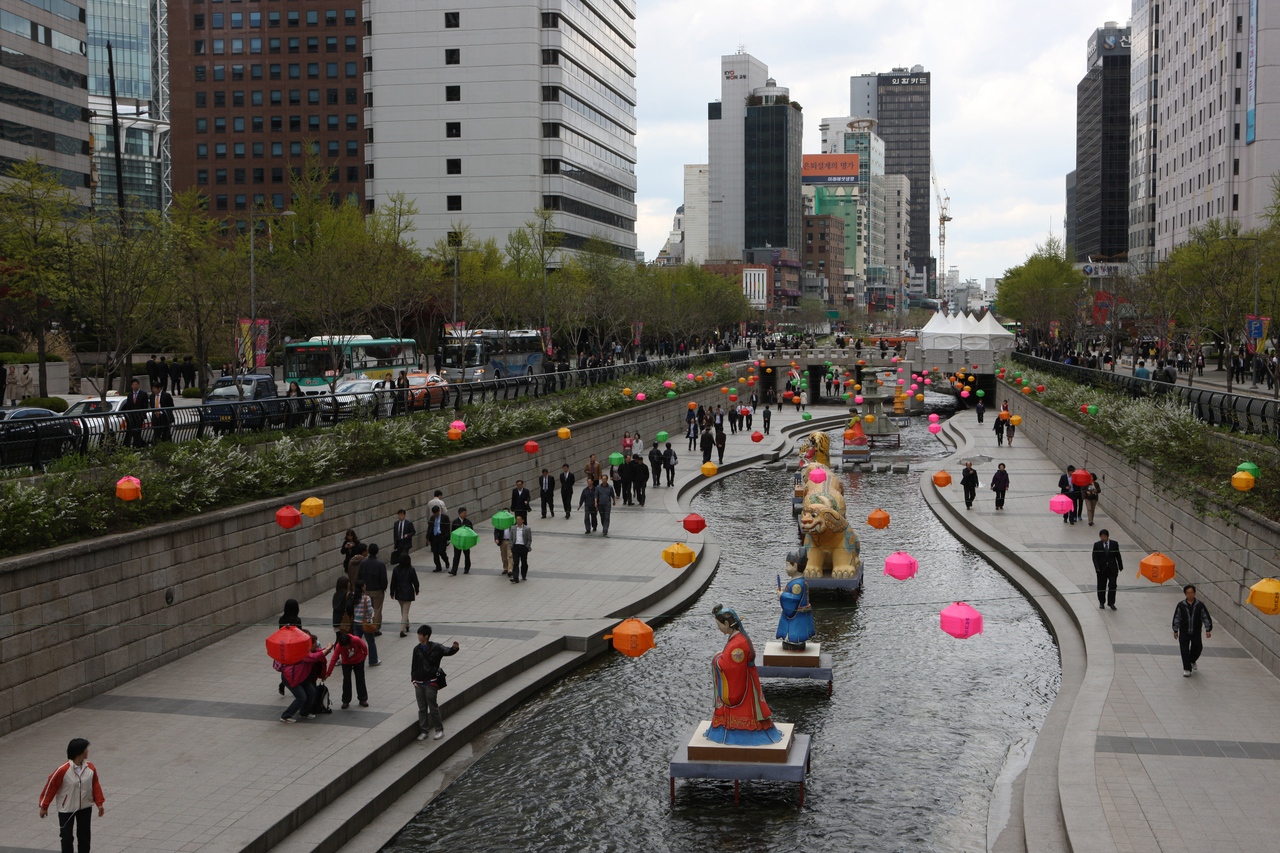
Free Things to Do in Seoul: Truly Free, Free With Conditions, and Low-Cost
Many “free Seoul” lists mix free entry, free with conditions, and merely cheap activities. This guide separates them. Truly free options include restored stream walks, Hangang parks, and many outdoor trails. Palaces and some museums can be free only on certain days or under dress rules. Markets and food are low-cost, not free. Confirm current admission on official pages before you go.