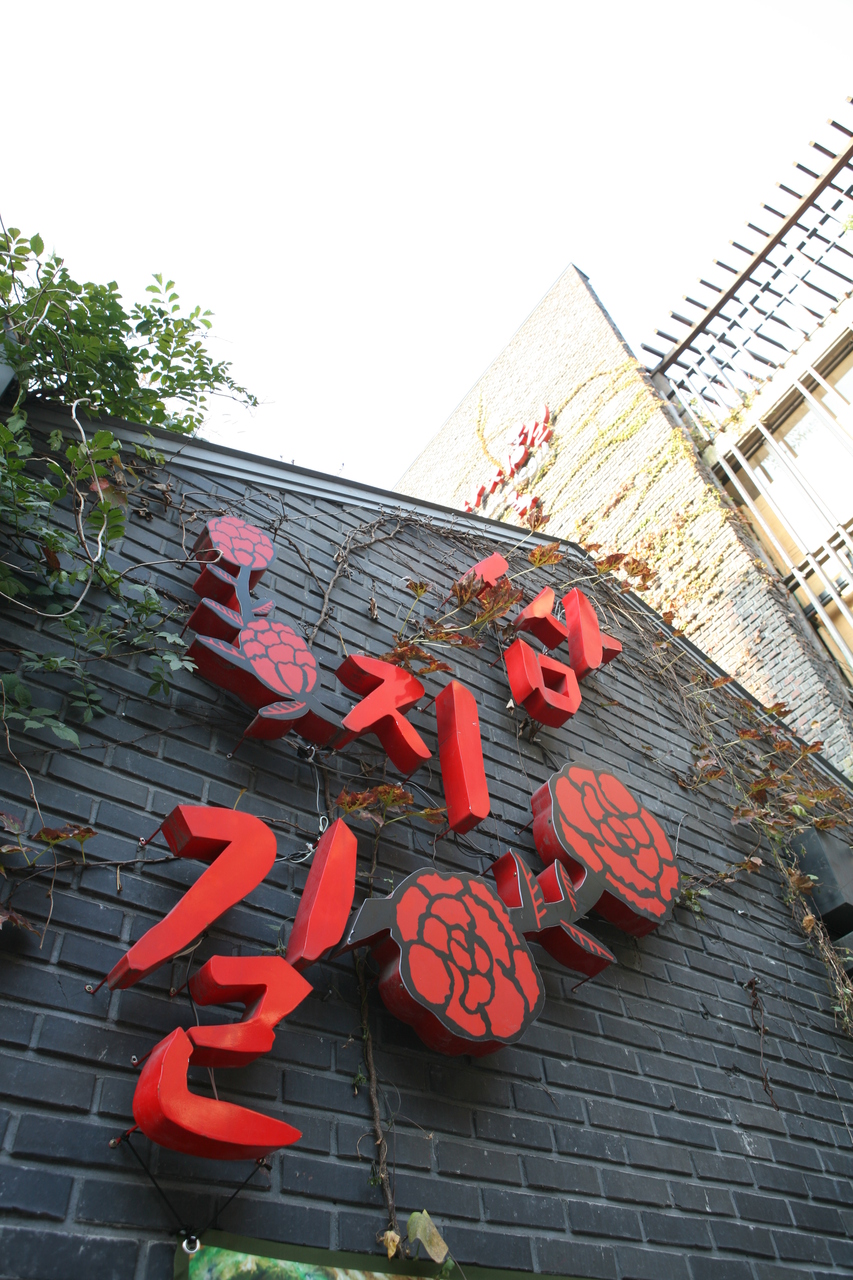
Insadong (인사동) is a Jongno neighborhood around Insadong-gil, not a gated palace. There is no admission ticket, no single entrance, and no required route.
Visit Korea describes one main road with alleys on both sides. Galleries, craft shops, tea houses, and restaurants sit in those lanes.
Start at the north end if you are coming from Bukchon or the palaces. Finish south toward Jonggak if you want a downhill walk.
Hours, shops, and the pedestrian stretch change. Facts below were checked 29 September 2026 against Visit Seoul, Visit Korea, and Jongno-gu notices.
Quick facts
- Where
- Insadong-gil, Jongno-gu, Seoul
- Station
- Anguk (Line 3), Exit 6
- Ticket
- None for the streets
- Ssamziegil
- Free entry, 10:30 to 20:30
Quick answer
| Question | Short answer |
|---|---|
| What is it? | A neighborhood around Insadong-gil, plus side alleys |
| Ticket? | No for the streets. Individual shops and tea houses charge their own prices |
| Easiest station? | Anguk (Line 3), Exit 6 for the north end |
| South-end station? | Jonggak (Line 1), Exit 11 |
| Ssamziegil worth it? | Yes as a free spiral craft mall, not as a hanok village |
| How long? | About 1 to 3 hours for a first visit |
| From Bukchon? | Yes, downhill after 10:00, leave the Red Zone by 17:00 |
| Touristy? | Yes, and still useful for crafts, tea, and galleries if you use the alleys |
What Insadong is
Insadong is the district between Anguk to the north and Jongno 2-ga / Tapgol to the south. The spine is Insadong-gil. The interesting shops are often one turn off that spine.
It is not Bukchon. Bukchon is a residential hanok hillside with visiting hours. Insadong is a commercial street that grew as an antique and gallery district.
Visit Seoul still markets the neighborhood as a place to buy traditional art, stationery, handicrafts, pottery, and tea. That mix is real. So is the souvenir density.
Ikseon-dong sits to the southeast. It is a different pocket of hanok cafes. There is no dedicated Tripkopia page for it yet. Do not treat the two names as one street.
How to get to Insadong
Anguk Station (Line 3), Exit 6 is the first-timer pick from Bukchon or the palaces. Visit Seoul's Insadong FAQ names it. The Ssamziegil listing puts Exit 6 about 245 m from that building.
Visit Seoul's transport box also lists Anguk Exit 5 at 418 m. Use Naver Map or KakaoMap in the station rather than arguing over the two exits. Exit 6 is the north-end approach.
Jonggak Station (Line 1), Exit 11 drops you at the south end. Useful if you start near Tapgol Park or finish toward Myeongdong.
Jongno 3-ga Station (Lines 1, 3, and 5), Exit 5 is listed at 438 m. It is the east-side option, handy after Changdeokgung.
Direction matters. North to south is downhill from Bukchon. South to north is the climb.
See the Korea travel apps guide for live walking directions.
Best walking route
Walk north to south on a palace or Bukchon day. You avoid recrossing the hill.
Quick route (about 45 to 90 minutes):
- Anguk Exit 6.
- Enter Insadong-gil at the north plaza (Bukinsa Madang).
- Ssamziegil for one loop of the spiral.
- One side alley for tea or a craft stall.
- Continue south and exit toward Jonggak.
Standard route (about 1.5 to 3 hours):
- Anguk Exit 6.
- Insadong-gil south. Stay on the main street only until you have your bearings.
- Ssamziegil, including the upper walkway if it is open.
- Side alleys for galleries, stationery, and tea.
- Optional Jogyesa on Ujeongguk-ro, just west of the south end. There is no dedicated Tripkopia temple page. It is a working temple, free to enter, with its own etiquette.
- Jonggak Exit 11, or keep walking if you still have energy.
Do not reverse that order if you also want Bukchon. Climbing the hanok hill last is the tiring version.
What to see
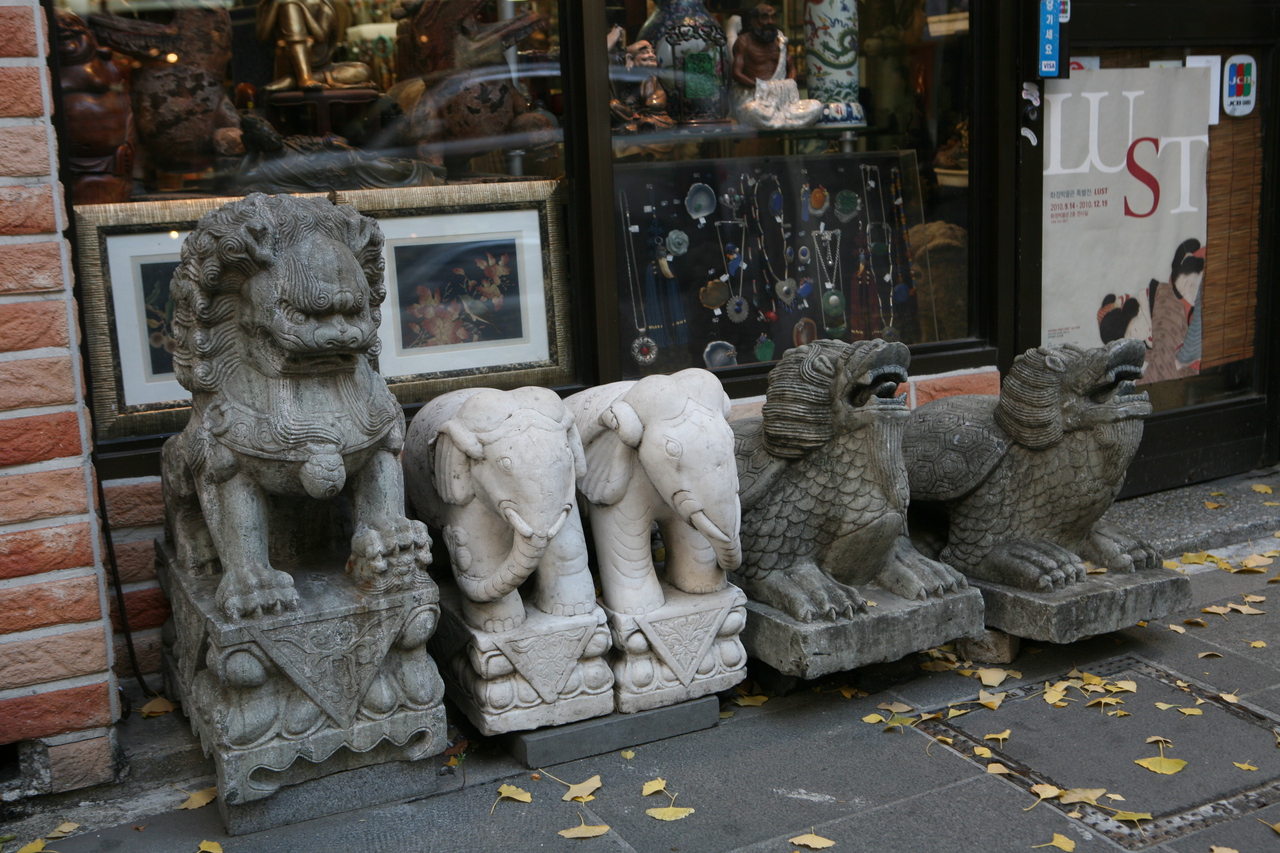
You do not need a checklist of every named gallery.
Insadong-gil. The main street. Hangeul shop signs are part of the look. Crowds thicken on weekend afternoons.
Side alleys. This is where tea houses and smaller craft rooms sit. Visit Korea's own copy sends you off the main road.
Ssamziegil. The one building most first-timers should actually enter. Details below.
Craft and antique shops. Ceramics, brushes, paper, fans, and mixed souvenir tables. Quality varies shop by shop.
Galleries. Visit Korea cites on the order of 100 galleries in the area. Treat that as density, not a tour you must finish.
Jogyesa. The Jogye Order's Seoul head temple, 55 Ujeongguk-ro. Visit Korea lists it as free and open year-round. The official English page gives Anguk Exit 6 or Jonggak Exit 2. Dress quietly, skip flash in halls, and do not treat ceremonies as a show.
Skip random indoor "experience museums" unless you already want that kind of ticket. They are not what makes the neighborhood.
Ssamziegil
Ssamziegil (쌈지길, also written Ssamzigil / Ssamzi-gil) is a 2004 cultural complex and craft shopping mall at 44 Insadong-gil. It is not a historic hanok cluster.
Visit Seoul (edited May 2026) and Visit Korea agree on the shape: a spiral of workshops and stores, traditional and modern crafts, and a roof garden. Admission to the building is free. Individual workshops can charge.
Hours: daily 10:30 to 20:30. Visit Seoul lists New Year's Day and Chuseok as holidays. Visit Korea says open year-round and tells you to check the operator. Confirm before a holiday visit.
Station: Anguk Line 3, Exit 6, about 245 m.
Walk the ramp once. You do not need every floor. The value is seeing crafts in one vertical loop, then going back to the alleys.
What to buy
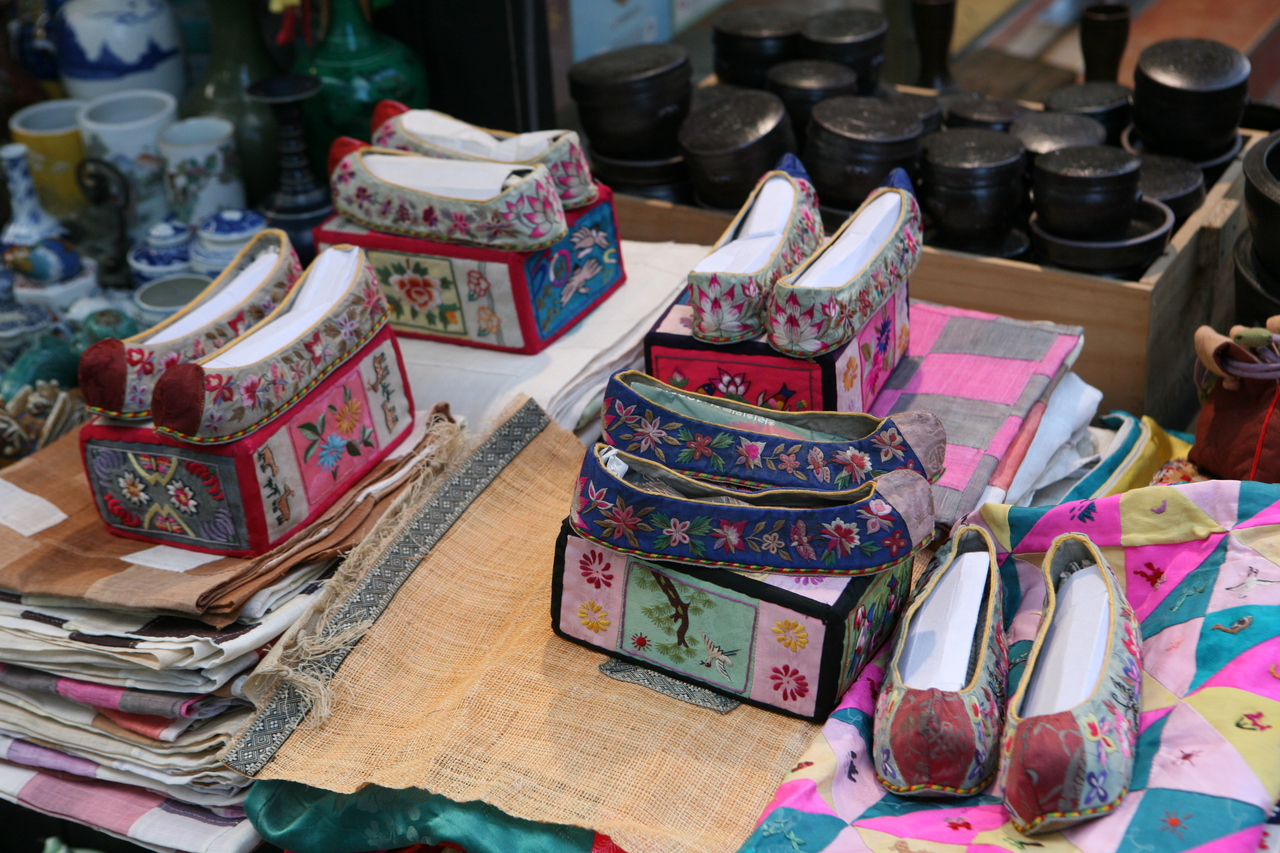
Insadong is one of the easier places in central Seoul to look at Korean crafts without a museum ticket. It is also easy to buy factory souvenirs dressed as heirlooms.
Useful categories:
- Ceramics and celadon-style ware
- Stationery, seals, and calligraphy goods
- Fans, bojagi-inspired textiles, and small embroidered items
- Tea leaves and tea ware
- Modern design goods mixed into Ssamziegil
Three shop types you will actually meet:
| Type | What you are looking at |
|---|---|
| Craft workshop or specialist | One material, a maker, fewer SKUs |
| Mass-market souvenir | Identical bookmarks, magnets, and printed hanbok dolls |
| Design store | Contemporary objects that use Korean motifs |
Prices vary widely by material and work. Do not expect a single "Insadong price." Compare two stalls before you commit.
Do not buy counterfeit branded goods. A "handmade" sticker is not proof.
For a wider food-and-souvenir day, the Jongno restaurant guide is the nearby meal page. Hanbok rental is a separate decision. Insadong is not the main palace-photo rental cluster.
Traditional tea houses
Tea houses are part of Insadong's alley culture, not a sideshow. They are usually quieter than the main street, and they work on a rainy day.
Expect a seated room, a pot or bowl of tea, and a small sweet. Common cups include jujube, ginger, omija, and sikhye-style drinks. Menus change by house.
Do not treat any one name as "the" Insadong tea house. Shops open and close. Walk an alley and pick a room you can sit in.
Prices are not standardized. Check the menu before you sit.
Food and snacks
Keep this a snack-and-meal overlay, not a restaurant ranking.
The main street sells street snacks and packaged sweets. Side alleys hold Korean set meals and tea-room food. Near Jogyesa you will also see temple-food style cooking. None of that is automatically vegetarian, vegan, or allergen-free. Ask.
If you want a sit-down list rather than street grazing, use the Jongno restaurant guide.
Touristy versus traditional
Insadong is both a historic craft-and-gallery district and one of Seoul's busiest tourist streets. Visit Seoul still calls it a place international visitors come for traditional goods. Recent visitor notes on that same page also call it tourist-oriented. Both can be true.
You get more value when you:
- leave the main stream for one alley
- go into Ssamziegil instead of only photographing the wall
- buy from a specialist stall, not the first magnet rack
- sit for tea instead of collecting the whole street on foot
Avoid the fantasy of an untouched old Seoul. The street is commercial. That is the point of coming here to shop.
Best time to visit
Shops are not a sunrise attraction. Ssamziegil opens at 10:30. Many stalls are later than that.
Weekday late morning is the calmer window for walking and looking at goods.
Weekend afternoons are louder, with more street performance energy. That can be the point, or a reason to stay in the alleys.
Evening is possible because the neighborhood is a street, not a closing palace. Lights and tea rooms stay useful after dark. Individual shops still close on their own clocks.
Pedestrian street
Jongno-gu's current car-free-street notice lists Insadong Traditional Culture Street as daily 10:00 to 22:00, including holidays, with permit vehicles excepted.
On weekdays the restricted stretch is about 230 m from Bukinsa Madang. On Saturdays, Sundays, and holidays it extends to about 430 m.
Visit Korea's English Insadong page still describes an older Saturday afternoon and Sunday-only model. Visit Seoul's English body still mentions Sundays as traffic-free. Use the street signs as the live rule, not a blog timetable.
How long to spend
Treat these as ranges.
| Visit | Range |
|---|---|
| Quick walk plus Ssamziegil | About 45 to 90 minutes |
| Standard first visit | About 1.5 to 3 hours |
| Shopping plus tea | About 2 to 4 hours |
| After Bukchon or a palace | A half day, watching 17:00 in Bukchon |
You can overpack this street. One mall loop, one alley, and one sit-down is enough.
Insadong and Bukchon
Bukchon sits uphill to the north. Insadong is the downhill finish.
- Walk Bukchon on public streets after 10:00.
- Leave the Red Zone (Bukchon-ro 11-gil) before 17:00.
- Continue to Anguk and into Insadong-gil.
Do not start in Insadong and save the hanok hill for last unless you want the climb. Do not treat Bukchon as an evening photo alley. The rule set lives on that page.
Insadong and Changdeokgung
Changdeokgung sits east of Anguk. A same-day pairing is: palace (skip Mondays), then Insadong for tea and shops.
If you booked the Secret Garden, keep that clock time as the anchor. Insadong waits. The garden does not.
Hanbok can work for the palace. It is optional for Insadong shopping.
Insadong and Gyeongbokgung
Gyeongbokgung sits west. The unhurried chain is palace at opening, Bukchon after 10:00, Insadong downhill.
Skip Tuesdays for Gyeongbokgung. Do not add Huwon, two palaces, and a long shop crawl in one morning.
Suggested half-day
Changdeokgung morning, Insadong afternoon (skip Mondays):
- Changdeokgung at 09:00, Huwon only if already timed.
- Anguk to Insadong-gil.
- Ssamziegil and tea.
- Jonggak or a Jongno meal.
Gyeongbokgung plus Bukchon plus Insadong (skip Tuesdays):
- Gyeongbokgung at 09:00.
- Bukchon after 10:00, out before 17:00.
- Insadong as the flat finish.
For a bed in this cluster, see where to stay in Jongno, Insadong, and Gwanghwamun.
Practical tips
- Rain: Ssamziegil, covered stalls, and tea rooms make this a better wet-day walk than Bukchon's open lanes.
- Bags: You will be in shops. Keep a small bag closed in crowds.
- Cards: Many shops take cards. Small stalls may still prefer cash. Check before the wrapping starts.
- Children: The street is walkable. Ssamziegil's ramp is more interesting to kids than another souvenir window.
- Wheelchairs and strollers: The main street is the easy part. Alleys and Ssamziegil ramps vary. Confirm on site.
Common mistakes
- Treating Insadong as a ticketed palace
- Starting here, then climbing Bukchon at the end of the day
- Walking Bukchon-ro 11-gil after 17:00 on the way in
- Buying the first identical magnet rack
- Calling Ssamziegil a hanok village
- Using Visit Korea's old weekend-only car-free hours without looking at the street
FAQ
Is Insadong free to visit?
Yes, the streets are free. You pay only for shops, tea, food, or a ticketed indoor program.
What is Insadong famous for?
Crafts, antiques, galleries, tea houses, and souvenir shopping on Insadong-gil, according to Visit Korea and Visit Seoul.
Which subway station is best?
Anguk Exit 6 for a north-end start. Jonggak Exit 11 for the south end.
How much time do I need?
About 1 to 3 hours for a first visit.
Is Ssamziegil free?
Yes, to enter the building. Workshops can charge. Hours 10:30 to 20:30.
Is Insadong good for souvenirs?
Yes, if you compare stalls and skip counterfeit goods. Not everything is handmade.
Is Insadong worth visiting at night?
The neighborhood stays walkable after dark. Shop hours vary. It is not a substitute for a palace night program.
Can I walk from Bukchon?
Yes, downhill, after 10:00 and out of the Red Zone by 17:00.
Can I visit Insadong after Changdeokgung?
Yes. Do the palace (and Huwon, if booked) first.
Is Insadong good in rain?
Better than Bukchon. Use Ssamziegil and indoor tea rooms.
Are shops open every day?
The street does not close like a palace. Individual shops set their own days. Ssamziegil lists New Year's Day and Chuseok as holidays.
Is Insadong suitable for children?
Yes for a short walk and the Ssamziegil ramp. Keep them close in crowds.
Insadong works as a street you walk, not a monument you collect. Enter from Anguk Exit 6, loop Ssamziegil, sit for tea off the main flow, and treat it as the downhill end of a Bukchon or palace day.
Sources
- Visit Korea, Insa-dongOfficial tourism site
- Visit Korea, Insadong Cultural StreetOfficial tourism site
- Visit Seoul, InsadongOfficial tourism site
- Visit Korea, SsamzigilOfficial tourism site
- Visit Seoul, Ssamzi-gilOfficial tourism site
- Seoul Open Government, Jongno-gu car-free streets (120 FAQ)Official government site
- Visit Korea, Jogyesa TempleOfficial tourism site
- Jogyesa Temple (official)Official tourism site
- Visit KoreaOfficial tourism site
- Visit Seoul, Seoul Tourism Organization (official)Official tourism site
- Seoul Metropolitan Government (english.seoul.go.kr)Official government site
Information is compiled from official sources. Details such as prices, hours, and schedules can change. Confirm time-sensitive facts before you travel.
Last verified on
Related guides
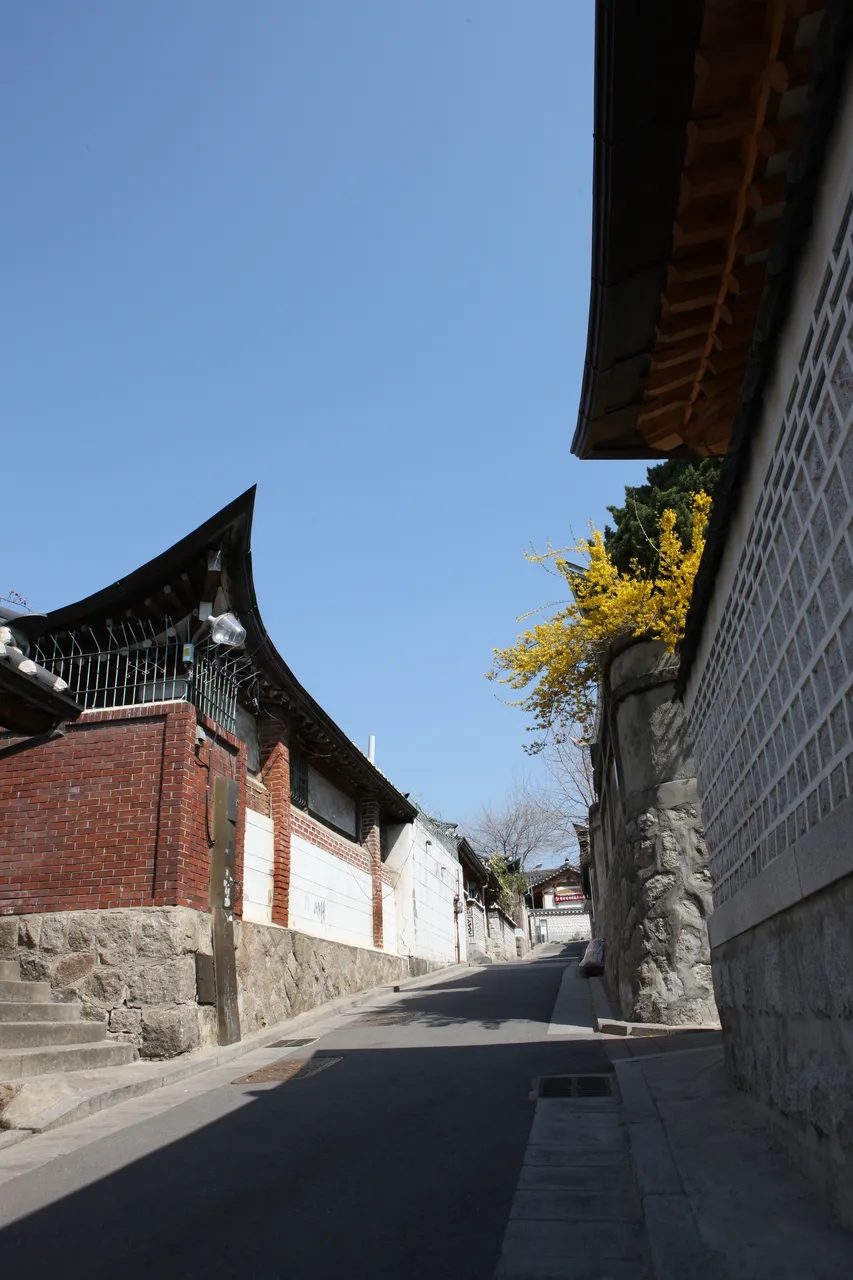
Bukchon Hanok Village Guide: How to Visit, What to See, and Current Visitor Rules
Bukchon is a lived-in hanok neighborhood between Gyeongbokgung and Changdeokgung, not a gated park. Start at Anguk Station (Line 3), Exit 2, and walk uphill. Tourist visits in the Red Zone on Bukchon-ro 11-gil are allowed only 10:00 to 17:00; sightseeing outside those hours can draw a ₩100,000 fine. Private homes are not attractions. Public cultural hanok and the craft museum nearby are the places you can actually enter.
Changdeokgung Palace Guide: Secret Garden Tickets, Reservations, and What to See
Changdeokgung is Seoul's east-side Joseon palace, entered from Donhwamun after a short walk from Anguk Station (Line 3), Exit 3. It is closed Mondays, with a holiday exception. Adults 19 to 64 pay ₩3,000 for the palace buildings. The Secret Garden (Huwon) is a separate ₩5,000 timed visit, 100 people per slot, and hanbok does not make Huwon free.