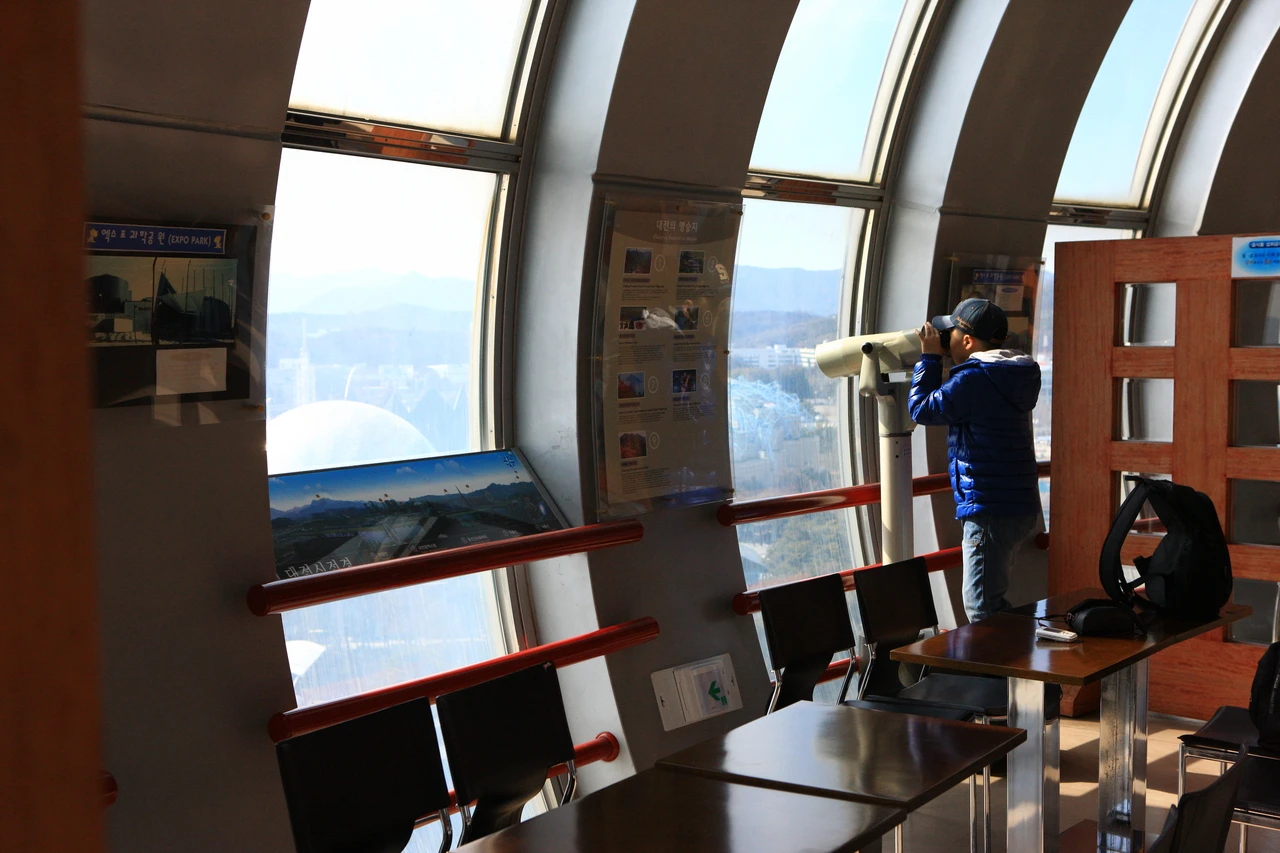
Daejeon is a fast KTX city trip from Seoul, not a palace-heavy capital substitute.
Many high-speed trains reach Daejeon Station in about 50 to 75 minutes. That makes food, bakery culture, and a science-park afternoon realistic in one day, or more comfortable with one night.
Hours, menus, and train times change. Check Korail+ and official venue pages for your date.
At a glance
| Item | Detail (verify for your date) |
|---|---|
| Best arrival | Daejeon Station (Gyeongbu high-speed) |
| Avoid confusing with | Seodaejeon Station (Honam-direction services, often via Yongsan) |
| Typical KTX time | About 50 to 75 minutes Seoul ↔ Daejeon Station |
| Booking | Korail+ app or Korail website (unified high-speed booking from 1 Sep 2026) |
| Day trip? | Possible; start early and pick one cluster |
| Strongest draws | Seongsimdang / bakery culture, kalguksu + dubu duruchigi, Expo + Hanbat Arboretum |
| Without a car? | Yes, with metro, buses, and walking in each cluster |
Quick facts
- From Seoul
- About 50 to 75 min high-speed to Daejeon Station
- Best for
- Food + easy city day / weekend
- Main station
- Daejeon Station (not Seodaejeon)
- Stay
- Day trip possible; 1 night if you want parks too
Is Daejeon worth visiting?
Yes, if you want a short, low-friction Korean city that rewards food and walking more than royal-palace sightseeing.
Good for
- Food and bakery travelers (Seongsimdang is local identity, not a side errand)
- Repeat Korea visitors who already did Seoul / Busan / Jeonju
- Families who like science museums and parks
- Anyone who values a short KTX hop over a long transfer day
Less ideal for
- First-timers with only two or three Korea days (spend those on Seoul + one classic destination)
- Beach trips or traditional-village-only itineraries
- Travelers who need every stop to feel "famous abroad"
Daejeon is Korea's major science and research hub, and the 1993 Expo left a park cluster that still works for an afternoon. The city is also honest about local food: in 2026 Daejeon City reconfirmed Daejeon bread, kalguksu, and dubu duruchigi as its core "Daejeon's taste" set after a public process.
How to get to Daejeon from Seoul by KTX
Primary pattern
- Book Seoul Station → Daejeon Station on a high-speed service, or
- Book Suseo → Daejeon Station if you are staying on the Gangnam / Songpa / Jamsil side.
Have your transit payment ready in Seoul. Full ticket steps stay on the KTX booking guide.
Travel-time range (not one exact minute)
Use a range: high-speed runs between Seoul and Daejeon Station commonly fall around 50 to 75 minutes, depending on the train and stops. Do not treat any single "52 minutes" claim as universal.
Booking after 1 September 2026
From 1 September 2026, former KTX and SRT high-speed services operate under a unified Korail high-speed system. Book with Korail+ or the Korail website. Suseo remains a useful departure; you do not need a separate SRT-only app as the main path.
Fares and seat maps change. Confirm on Korail for your date rather than copying an old fare table.
Daejeon Station vs Seodaejeon Station
| Station | Korean | Use this when… |
|---|---|---|
| Daejeon Station | 대전역 | You want the main city / market / Seongsimdang walk from a Gyeongbu high-speed arrival |
| Seodaejeon Station | 서대전역 | Your ticket is on a Honam-direction service (often linked with Yongsan), heading toward Jeolla / southwest Korea |
They are not interchangeable. Read the arrival station on the ticket before you board. Wrong station means a metro or bus hop across town.
Yongsan is useful for Honam-line travel, not the default Seoul → central Daejeon hop.
How many days?
| Length | Verdict |
|---|---|
| Day trip | Works if you pick one focus: station-area food walk or Expo / Hanbat |
| 1 night / 2 days | Best default for food + parks without criss-crossing |
| 2 nights | Only if you add Yuseong, Gyeryongsan, or a second city (for example Jeonju) |
Do not stretch Daejeon into a forced three-day fill.
Daejeon is not one walkable blob
Plan by cluster, then move between clusters once.
| Cluster | Core stops | How you get there |
|---|---|---|
| A. Daejeon Station / old downtown | Station, Jungang Market, Eunhaeng-dong, Seongsimdang, Skyroad | Walk + short metro from Daejeon Station |
| B. Soje-dong | Cafe / warehouse streets east of the station | Short walk or taxi from Daejeon Station |
| C. Expo / Hanbat / science | Expo Science Park, Hanbit Tower area, Hanbat Arboretum, National Science Museum | Metro toward Government Complex Daejeon / Expo area, then walk |
| D. Yuseong | Hot-spring town feel, foot baths, spa hotels | Metro Line 1 toward Yuseong; optional overnight |
Cluster A: Daejeon Station and old downtown
This is the highest-value first stop after a Seoul arrival.
Jungang Market (대전중앙시장)
A practical graze-and-walk market near the station area. Use it for snacks and atmosphere, not for a full museum checklist. Hours vary by stall; go with flexible expectations.
Eunhaeng-dong and Skyroad
Eunhaeng-dong is the old downtown shopping spine where Seongsimdang's main store sits. Daejeon Skyroad is the elevated / walkway layer locals use for browsing and photos. Treat it as part of the station-area loop, not a separate day.
Soje-dong (optional)
Soje-dong is a short hop from Daejeon Station with renovated warehouses, cafes, and photo streets. It works as an afternoon add-on after bakery and market time. Cafe openings change often: confirm the places you care about the morning you go, and skip Instagram-only "must" lists that no longer match the street.
What to eat in Daejeon
Start with food types, then pick places.
1. Bakery culture (Daejeon bread)
Daejeon's bakery identity is stronger than most Korean cities of this size. Seongsimdang is the flagship brand visitors hear about first, but the city's 2026 food branding also treats Daejeon bread as a broader local category.
2. Kalguksu (칼국수)
Hand-cut noodle soup is everyday Daejeon food. Styles vary (clear broth, perilla, spicy). Locals often pair noodles with other plates rather than treating kalguksu as a lone tourist dish.
3. Dubu duruchigi (두부두루치기)
Daejeon's signature spicy tofu stir-simmer. City materials describe soft tofu cooked with gochujang-style seasoning and vegetables; squid or pork versions appear at many houses. A common local habit is finishing the sauce with kalguksu noodles or rice.
Daejeon City lists dubu duruchigi among its specialty foods, and the 2026 "Daejeon's taste" refresh kept it in the top set with bread and kalguksu.
Muslim / vegetarian / allergy note
Dubu duruchigi and many kalguksu broths may include seafood, meat stock, or shared kitchen oils. Bakery items can contain dairy, egg, and gelatin. Ask before ordering; do not assume vegetarian or halal without confirmation.
Seongsimdang (성심당): how to include it
Seongsimdang started in 1956 near Daejeon Station and still frames itself as a Daejeon-only bakery culture brand on its official site. It is a major reason many Koreans day-trip here. It should not become the entire itinerary.
Branches that matter for visitors
| Branch | Best for |
|---|---|
| Main store (Eunhaeng-dong) | Fullest range; classic visit |
| Daejeon Station branch | Grab-and-go before a train |
| DCC / Lotte Department Store branches | Convenient if you are already in those buildings |
Confirm hours on the official Seongsimdang site. Queues are common on weekends and holidays.
Signature items (not a full menu)
Official signature framing highlights 튀김소보로 (fried soboro), along with other long-running hits such as 보문산메아리 and 명란바게트. Stock rotates. Prices change; do not treat any blog price as fixed.
Where to eat (named places, keep current)
Use these as examples, not a closed ranking. Confirm hours before you go.
| Place | Area | Why it fits |
|---|---|---|
| Seongsimdang main | Eunhaeng-dong | Flagship bakery experience |
| Seongsimdang Daejeon Station | Inside / at Daejeon Station | Fast pickup for arrivals and departures |
| Gwangcheon Restaurant (광천식당) | Seonhwa-dong / Jungangno area | Long-running dubu duruchigi house near old downtown; closed Mondays; midday break common |
For kalguksu, many neighborhood shops work. Prefer a busy local room near your cluster over a long taxi chase across the city.
Cluster C: Expo, Hanbat Arboretum, science
Keep this as a second half-day, not a zigzag from Seongsimdang every hour.
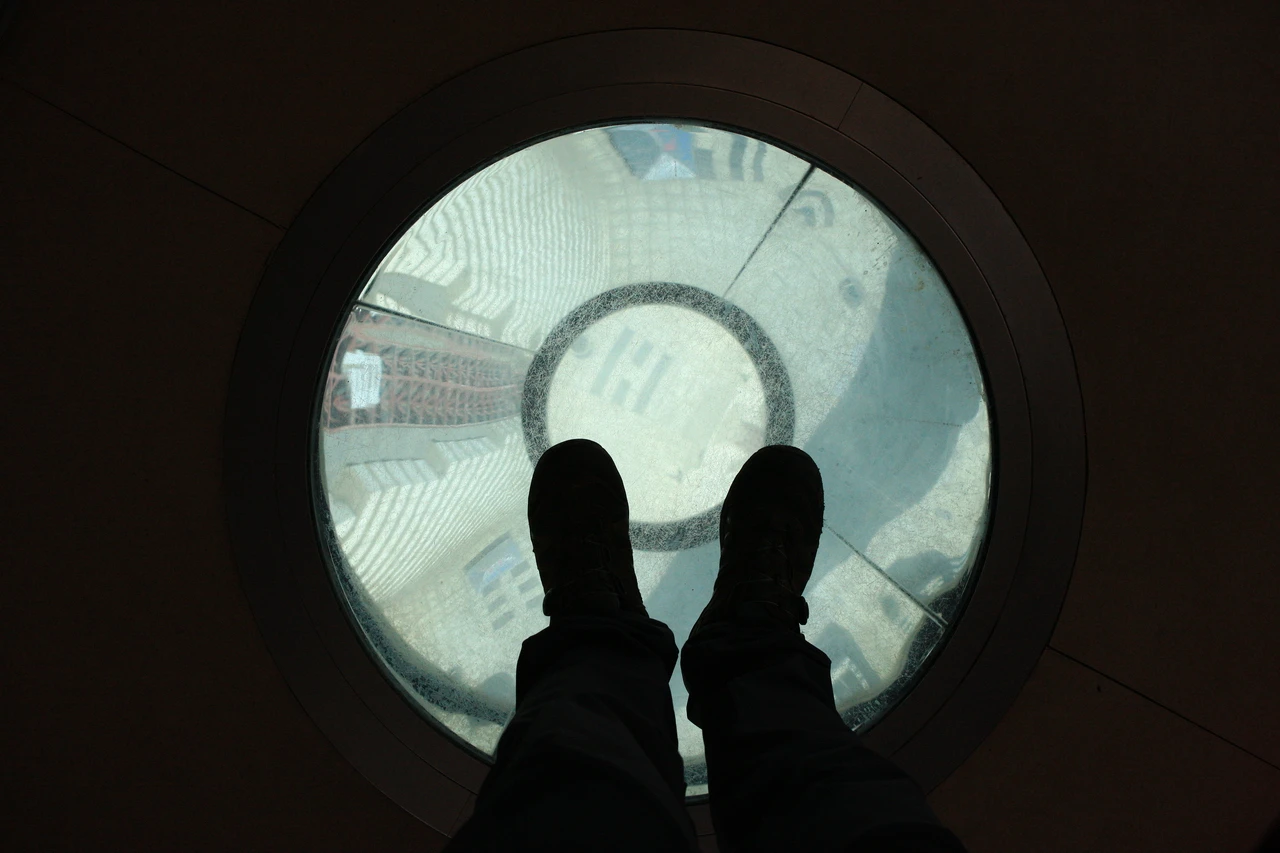
Expo Science Park and Hanbit Tower
The park sits on the 1993 Daejeon Expo site. Hanbit Tower (about 93 m) is the landmark. Exhibition hours and Monday closures change: check the operator or city tourism notice before you climb or enter paid halls. Some outdoor park areas stay usable even when indoor halls pause.
Hanbat Arboretum
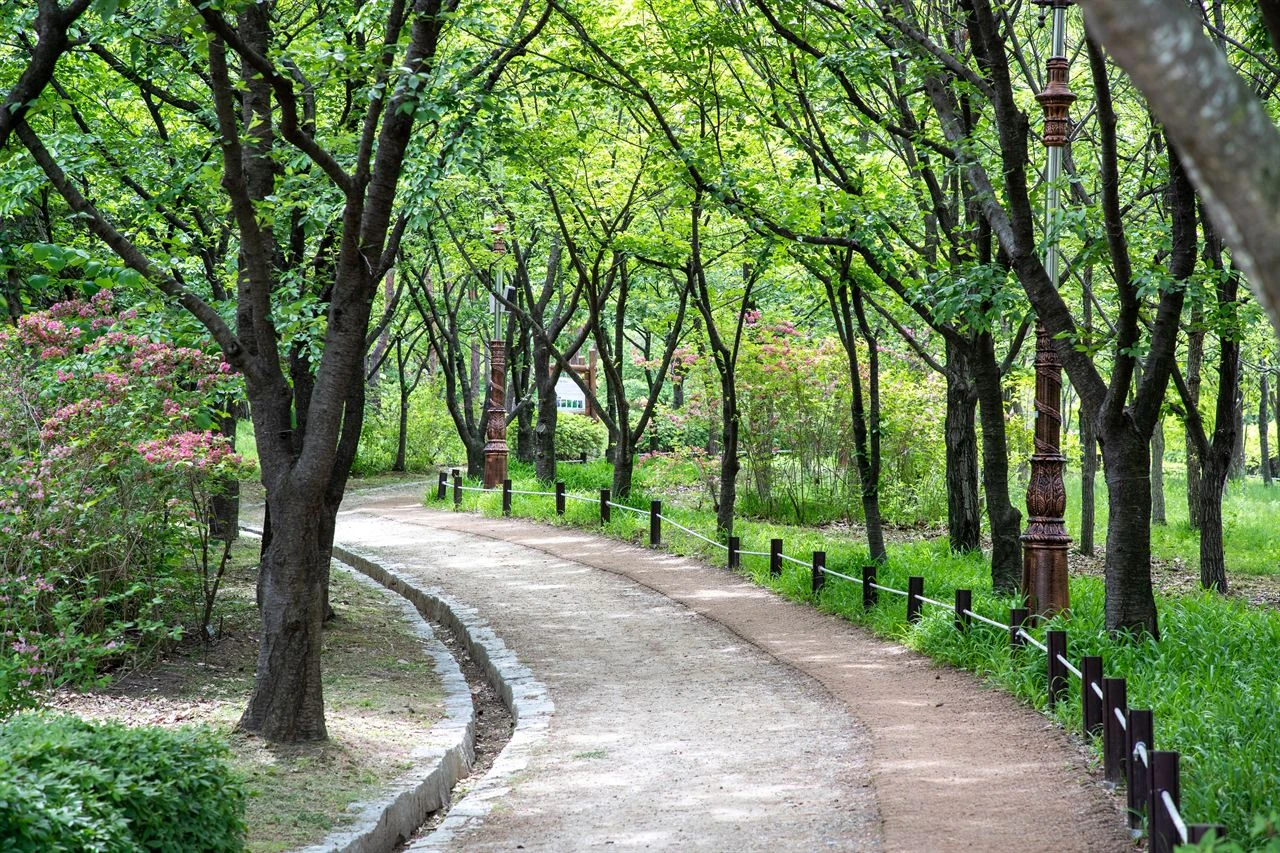
Korea's large man-made urban arboretum sits beside the Gapcheon corridor and pairs naturally with Expo. Admission is typically free; garden hours shift by season. Metro access is commonly described via Government Complex Daejeon plus a walk or short bus.
National Science Museum
Across the Expo-side science zone, the National Science Museum works for families and rainy hours. Confirm ticket and show schedules on the museum site for your date.
Yuseong: who should add it?
Yuseong is Daejeon's hot-spring district. Add it if you want a slower evening, foot baths, or a spa hotel overnight. Skip it on a tight day trip if station food and Expo already fill your hours.
Foot-bath streets and spa facilities change management and hours. Treat them as optional comfort, not a required checklist.
Getting around without a car
Daejeon Metro Line 1 links Daejeon Station, old downtown transfers, Government Complex / Expo approaches, and Yuseong. City buses fill gaps. T-money works on metro and buses.
The city is spread out. Walk inside a cluster; use metro or taxi between clusters. Do not plan a walking-only day that jumps from Seongsimdang to Expo to Yuseong and back.
Sample routes
Classic day trip (food first)
- Early KTX to Daejeon Station
- Jungang Market snack walk
- Seongsimdang main (or Station branch if queues are extreme)
- Eunhaeng-dong / Skyroad browse
- Optional Soje-dong coffee
- Evening KTX back to Seoul
Science and park day
- Morning KTX to Daejeon Station
- Metro to Expo / Government Complex area
- Hanbat Arboretum + Expo / Hanbit Tower
- National Science Museum if time and weather require indoors
- Return via Daejeon Station
1 night / 2 days
Day 1: Station cluster food + Seongsimdang + Soje-dong evening
Day 2: Expo + Hanbat (optional Yuseong soak before a late train)
Common mistakes
- Booking Yongsan → Seodaejeon when you meant Seoul → Daejeon Station
- Treating Daejeon as one continuous walking district
- Spending the whole day only in the Seongsimdang line
- Zigzagging station ↔ Expo ↔ Yuseong without metro planning
- Arriving late and still trying to do food plus parks
- Assuming every kalguksu or dubu dish is vegetarian or mild
- Using pre-September 2026 "separate SRT app" advice as current booking truth
FAQ
Is Daejeon a good day trip from Seoul? Yes, if you choose one focus and start early. Food-only or park-only days work better than trying to do everything.
Seoul Station or Suseo? Both can reach Daejeon Station. Pick the Seoul terminal closer to your hotel. Yongsan is a different story if your ticket says Seodaejeon.
Do I need Seongsimdang? No, but it is the clearest single food reason many visitors come. Station branch is enough if you are short on time.
Can I visit without speaking Korean? Yes for trains, metro, and major bakeries. Smaller restaurants may have limited English; translation apps help.
Is one night better than a day trip? Usually yes if you want bakery culture and Expo / Hanbat without rushing.
What should I skip first? Skip Yuseong and outer nature on a first short visit if time is tight. Keep station food and one park cluster.
Final takeaway
Arrive at Daejeon Station, eat with a purpose (bread, kalguksu, dubu duruchigi), then either stay in the old-downtown loop or move once to the Expo / Hanbat side.
Book the return on Korail+ before Friday-evening peaks, and always read the station names on the ticket.
Sources
- Visit KoreaOfficial tourism site
- KORAILOfficial transport site
- Daejeon Metropolitan City official siteOfficial government site
- Daejeon Metropolitan City — local specialty foods (대전의 맛)Official government site
- Seongsimdang (성심당) official siteOfficial tourism site
- National Science Museum (Daejeon) official siteOfficial government site
Information is compiled from official sources. Details such as prices, hours, and schedules can change. Confirm time-sensitive facts before you travel.
Last verified on
Related guides
How to Book KTX Train Tickets in Korea: KORAIL, SRT, Korail Pass, and Foreigner Tips
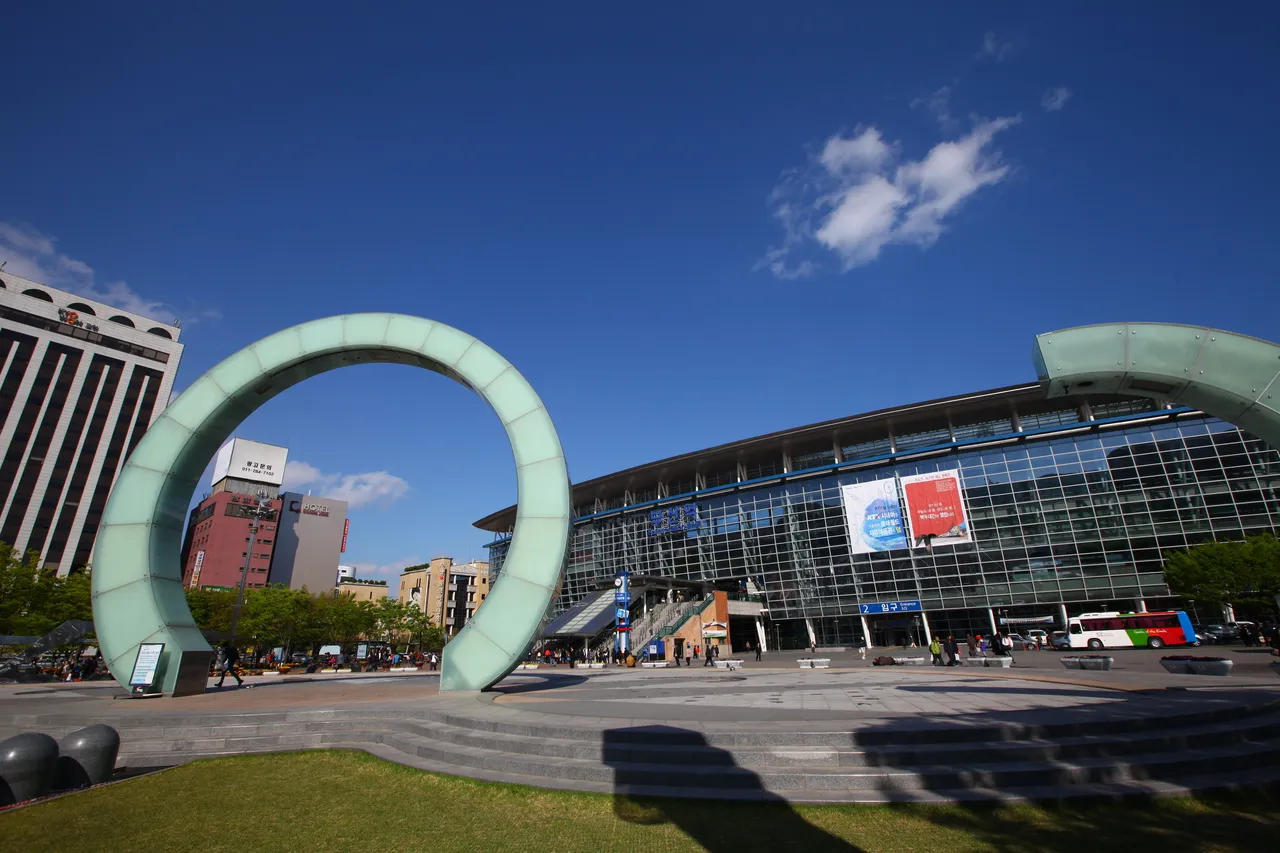
Korea's high-speed trains have been one system since 1 September 2026, when KTX and SRT stopped being two companies with two apps. Every high-speed train, including the Suseo departures that used to be SRT, is now booked in the integrated Korail+ app, on the KORAIL site, or at a station. Below: how to book, which Seoul station fits your trip, paying with an overseas card, and what the fare cut does and does not cover.
Jeonju Travel Guide: Hanok Village, Bibimbap, Hanbok, and What to Eat
Jeonju is Korea's food-and-hanok city beyond Seoul: a slow, walkable trip built around the country's largest traditional hanok village, signature bibimbap, hanbok photos, and traditional markets. It works as a relaxed day trip or an easy one-night stay from Seoul.