Korea itineraries: Page 3
Filter by trip length or season, then open a day-by-day plan. Public-transport routes only.

Busan Winter Itinerary: 2, 3, and 4 Days
Two winter days cover Busan’s essentials if you keep east-coast and old-city days separate. Three days is the best balance for most travelers. Four days should feel slower, not wider. Busan is still winter: Visit Busan describes December to February as windy, cold, and dry, with a winter climate average near 4.7°C. Shorten coastal outdoor blocks and pair them with nearby food or indoor stops. Confirm the forecast for your dates.

Korea Food Trip: A 4-Day Eating Itinerary
This 4-day itinerary plans Korea around the table (Seoul's markets and barbecue, then Busan's seafood and street food) pacing the days so you arrive hungry at the right places. It pairs with the what-to-eat, barbecue, and chimaek guides for what to order.
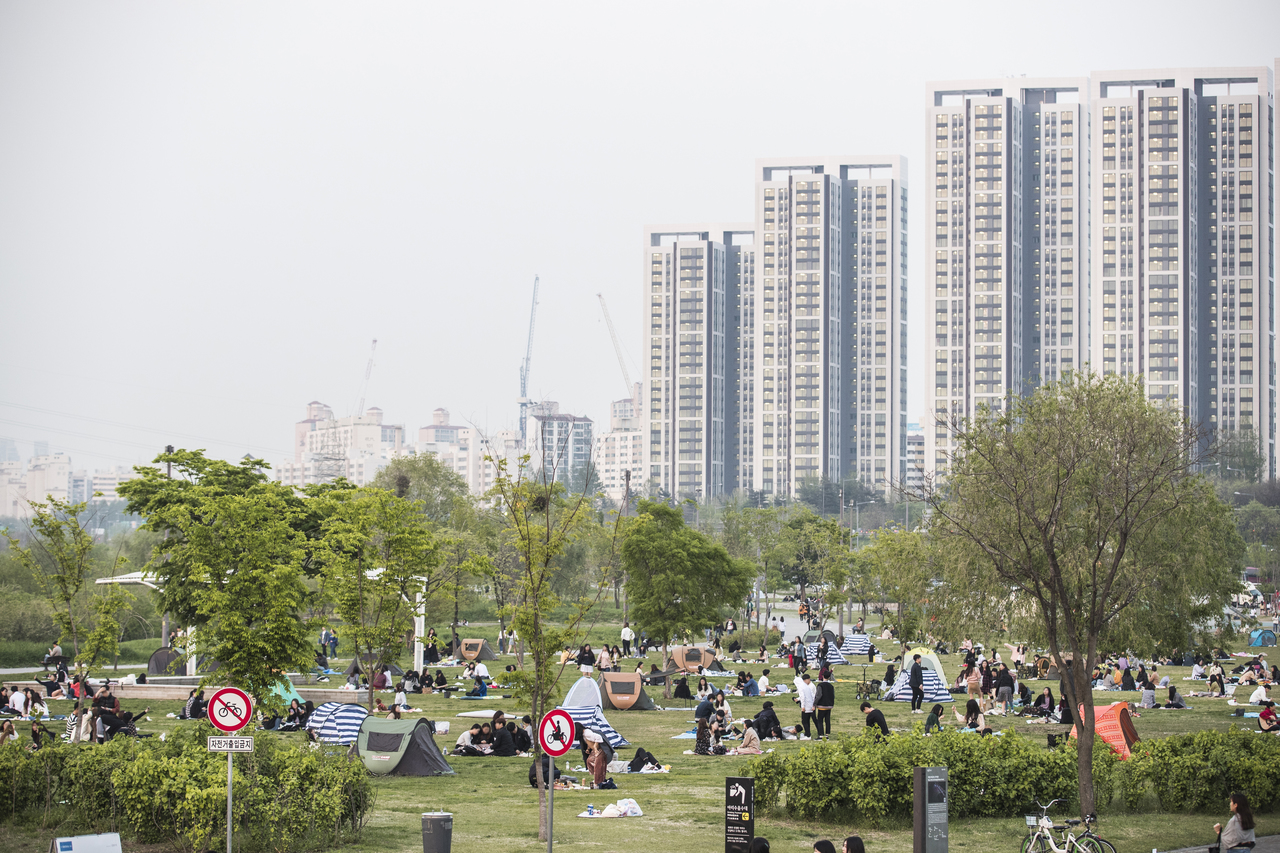
Seoul in August Guide: Essential Places, Summer Festivals, Indoor Attractions, and Things to Do
Seoul in August is hot, humid, and sometimes rainy, copying a spring or autumn itinerary here doesn't work. Below: the essential places worth your time, the summer festivals actually confirmed for 2026 (Hangang River Festival, Seoul Summer Beach, Hangang pools, the Seoul International Garden Show), indoor attractions for the hottest hours, Korean summer food, what to wear, heat and rain safety, August 15 considerations, and realistic 3-day, 5-day, and 7-day itineraries built around the heat rather than against it.
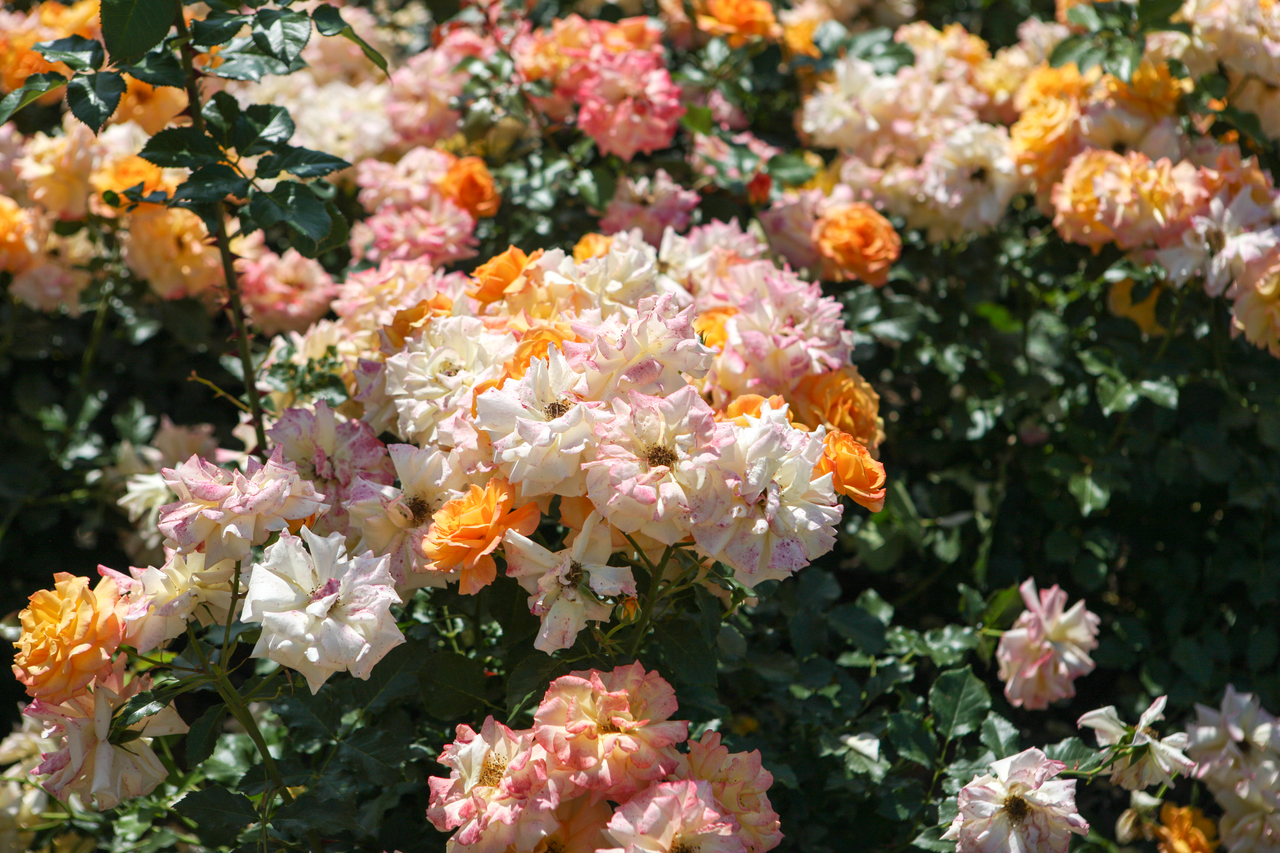
Korea in May: What to Expect and a 5-Day Plan
May is among the more comfortable months to visit Korea: usually mild and green, after the cherry blossoms and before the summer heat and monsoon. This 5-day plan pairs Seoul with a southern city; check the latest forecast and any festival dates before you lock things in.

Spring in Korea: March, April, or May for First-Time Visitors
Spring in Korea runs roughly March through May, and the three months do not feel the same. March is still cool and early for many outdoor plans. April often brings peak visitor pressure and highly variable flower timing. May is usually milder and greener after major blossom hype. This page is a season-level decision guide, not a fixed bloom calendar. Confirm forecasts and event dates on official sources before you book non-refundable plans.
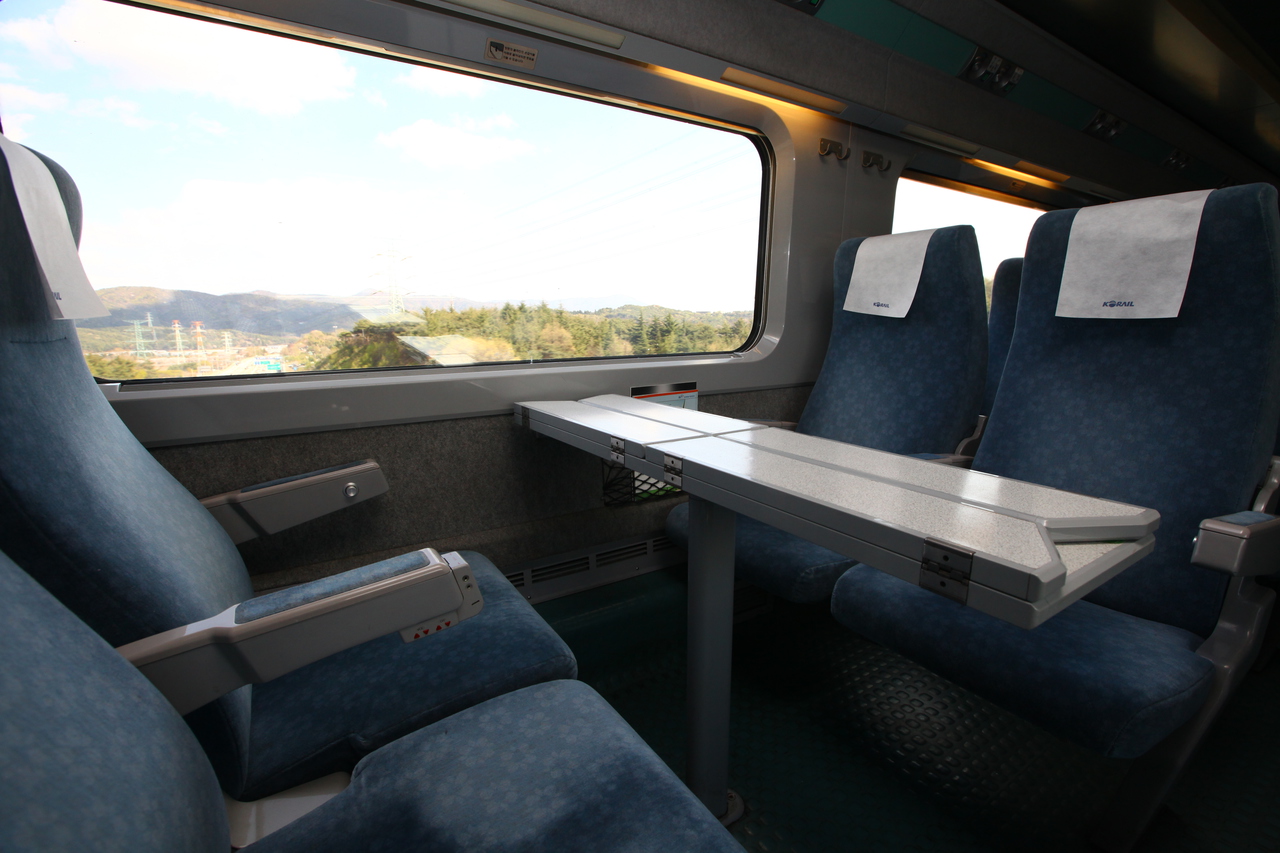
5 Days in Korea: First-Time Itinerary Choices (Seoul Only vs One Add-On)
Five days is long enough for a strong first Korea trip, and short enough that city count is the real decision. Most first-timers should pick Seoul only, or Seoul plus one add-on city by train, not three bases plus Jeju. This guide compares those shapes, transport cost in time, and which existing day-by-day plans to use next. Schedules and fares change, so confirm trains on official KORAIL channels before you book.
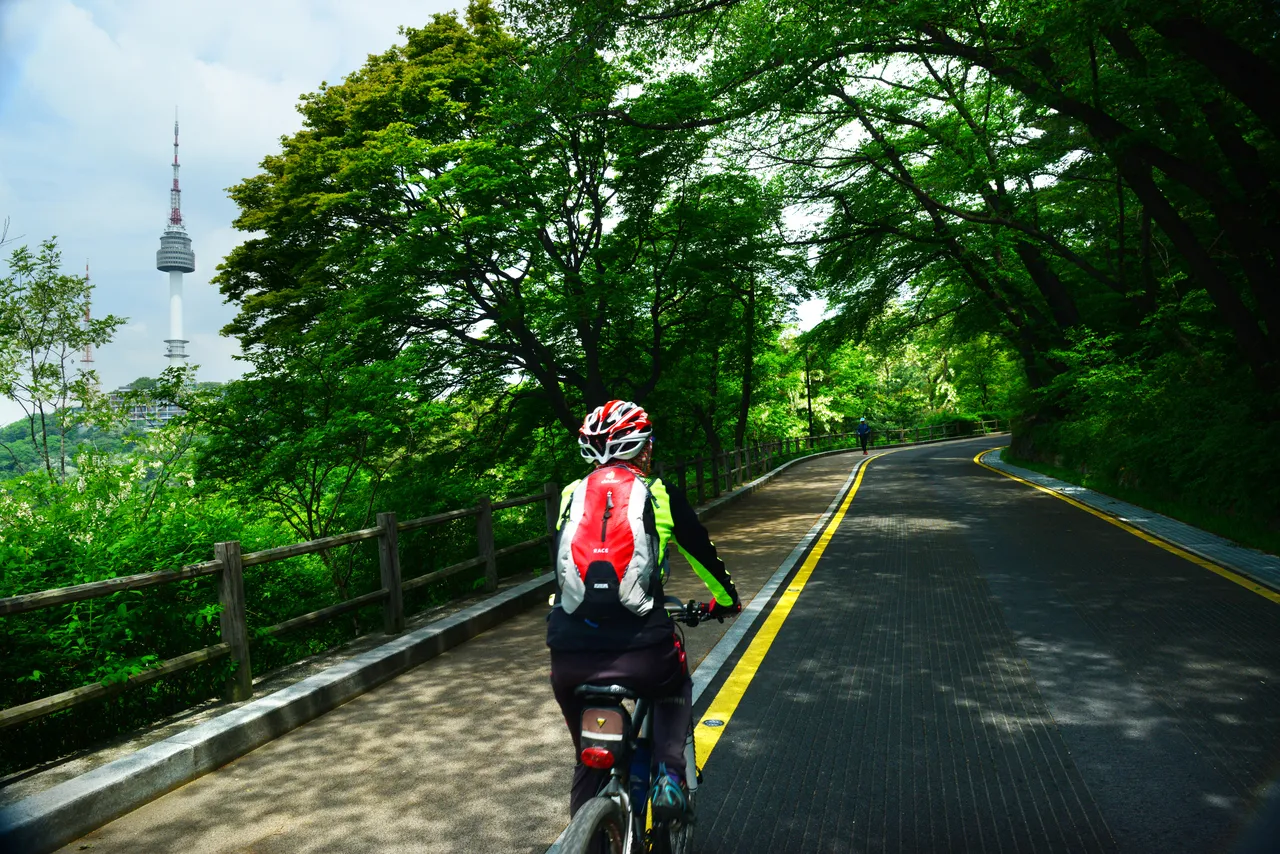
Seoul in June: Which Half of the Month You Book Changes the Trip
Most of June in Seoul is not the rainy season. On the Korea Meteorological Administration's 1991-2020 normals the monsoon reaches the central region on 25 June, so a trip that ends before the last week of the month usually sits ahead of it. That one date, plus the year's longest daylight, is what separates a June trip from a July one. The onset moves every year, so the plan below is built around checking it rather than assuming it.
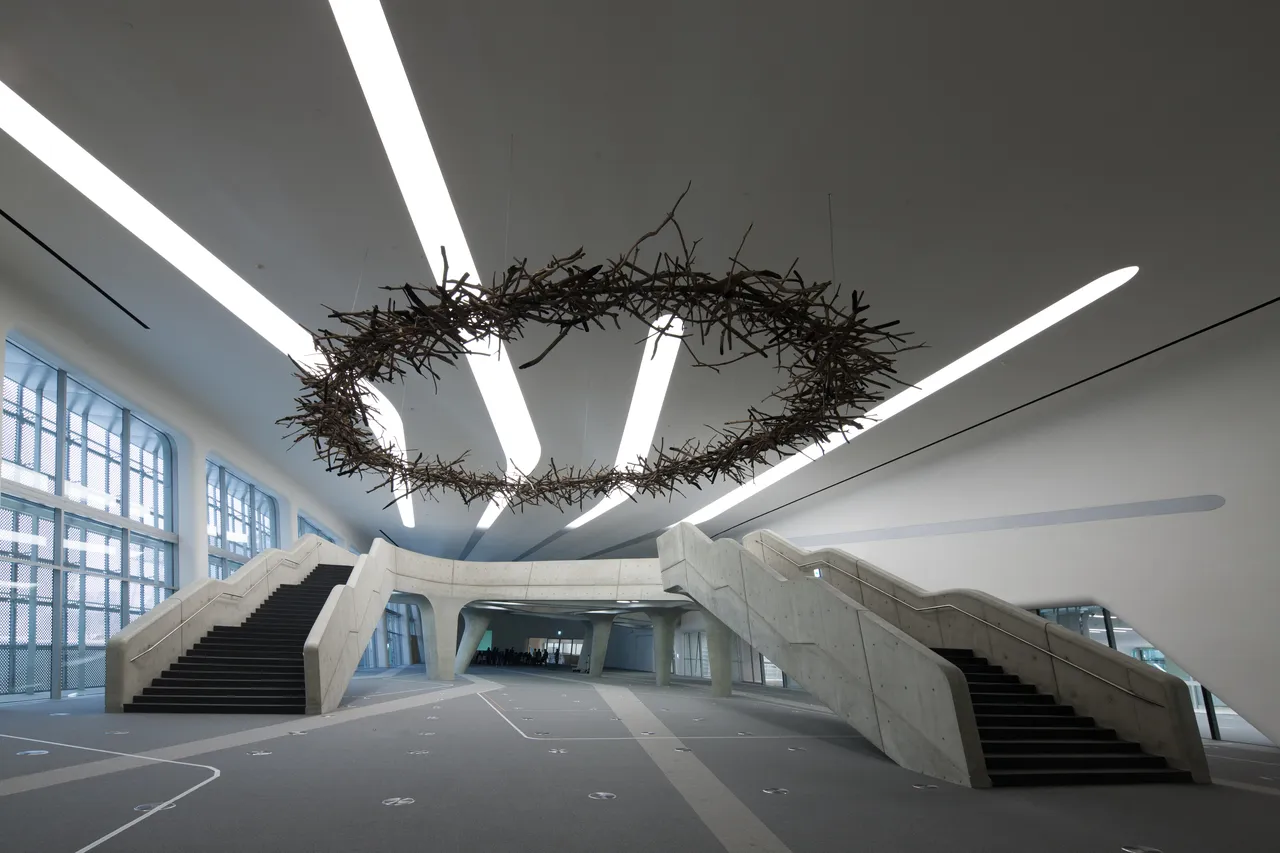
Seoul in July Itinerary: Building 3 Days That Survive the Rainy Season
In July the rain is not a risk to plan around, it is the condition you plan inside. This 3-day frame gives every day an indoor backbone and treats outdoor time as optional, with one day built to run start to finish in heavy rain so the other two can afford to be optimistic. Rain totals, hours, and event schedules change, so the page also sets out what to check and when.
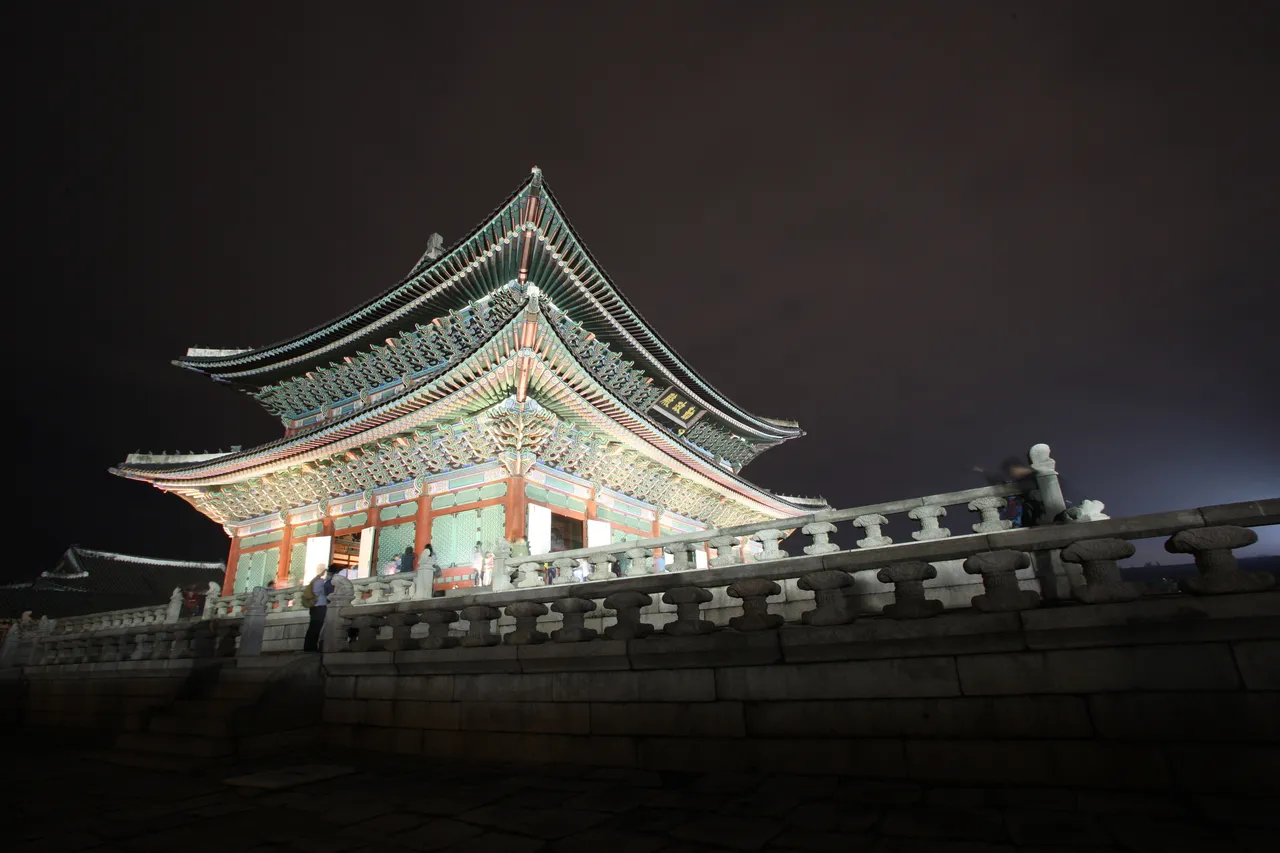
South Korea 10-Day Itinerary: Seoul, Gyeongju, Busan, and Jeju
Ten days in Korea buys one thing a week does not: Jeju. It costs a domestic flight, a fourth hotel, and the buffer day the 7-day route keeps, and four of the ten days carry a long-distance move. This route covers Seoul, Gyeongju, Busan, and Jeju, and is built around the two things that actually go wrong: the Singyeongju station transfer and the Gimpo-versus-Incheon departure. Times, fares, and schedules change, so confirm official details before you book.

2026 Yeosu World Island Exhibition Guide: How to Get There from Seoul, What to Do, and Nearby Attractions
A practical guide to the 2026 Yeosu World Island Exhibition for foreign visitors: event dates and venues, KTX travel from Seoul, transport from Yeosu Expo Station to the Dolsan Jinmo main venue, exhibition highlights, family activities, nearby attractions, the Gaedo and Geumodo island sub-venues, food, accommodation areas, and realistic one-day and two-day itineraries. Schedules, tickets, and shuttle details can change before and during the event, so this guide points you to the official sources to confirm before you travel.
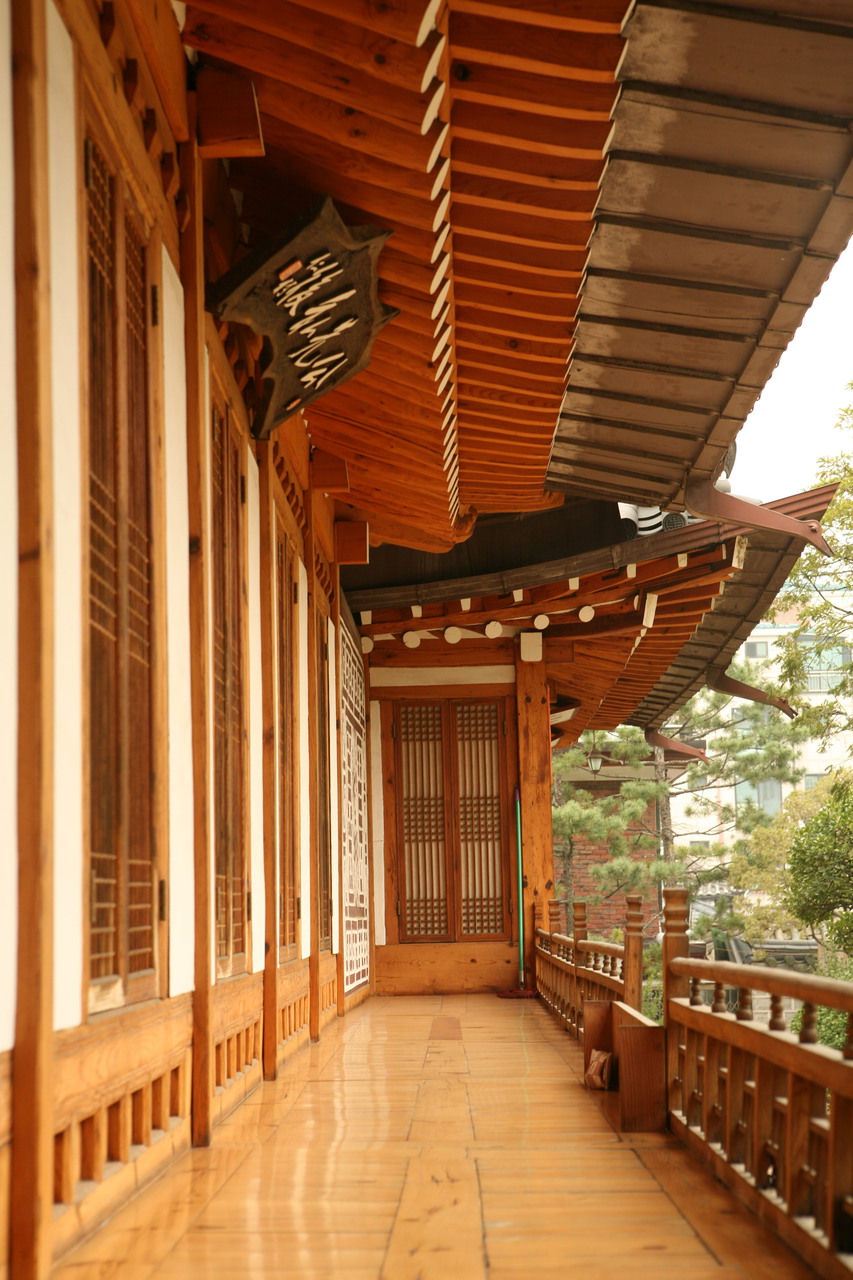
Seoul vs Tokyo: Which City Is Better for Your First Asia Trip?
Short version: pick Seoul for a shorter trip where palaces, K-culture, beauty shopping, mountains, and late-night streets sit close together. Pick Tokyo for a longer trip through a much larger city of distinct neighborhoods, rail-based exploration, specialist shopping, and a wider spread of day trips. Neither is better overall, and cost is not a reliable tiebreaker. This guide compares atmosphere, history, food, shopping, transport, airports, cost, where to stay, nights out, nature, day trips, and travel with kids, alone, or with dietary needs. Prices and transport rules change, so confirm current official information before booking.
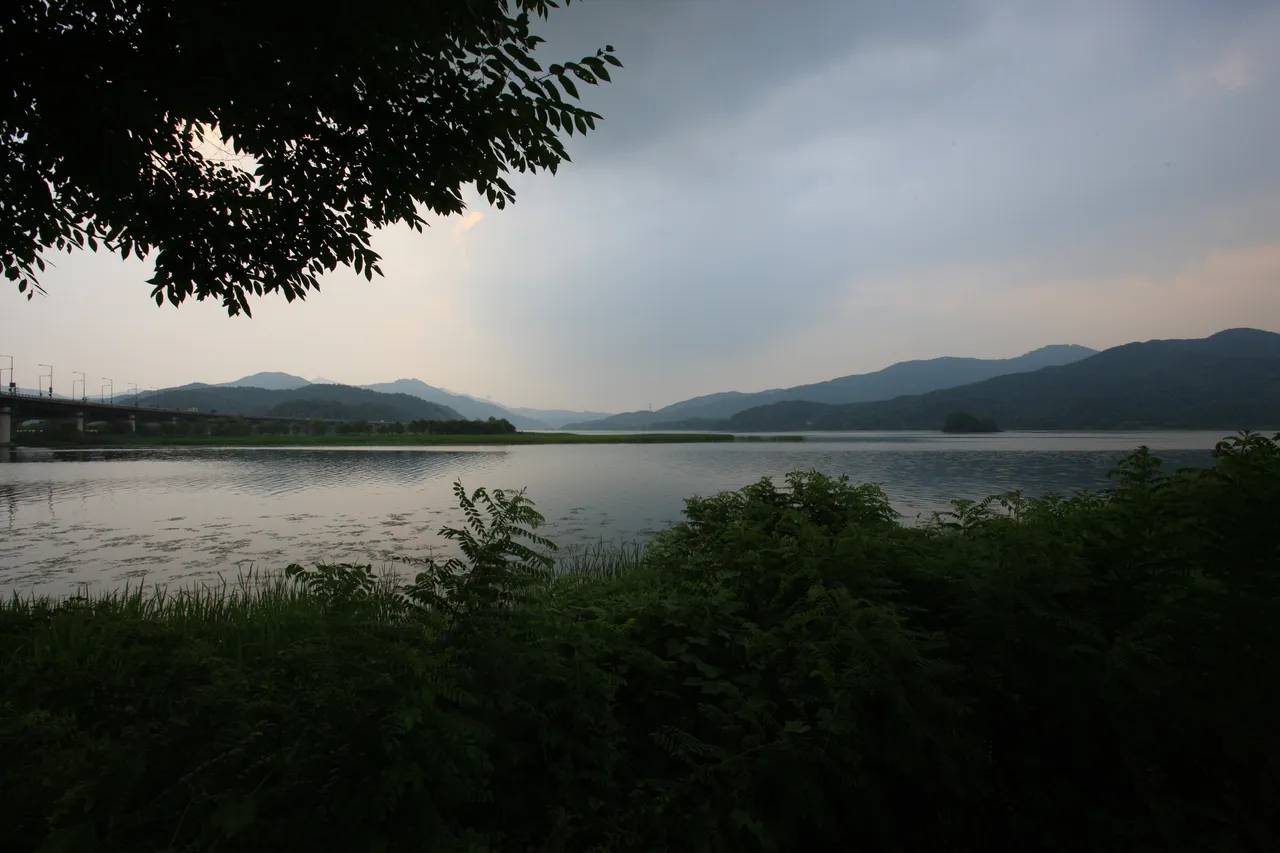
Yangpyeong Local Day Trip from Seoul: Dumulmeori, Semiwon, Riverside Cafés, and Slow Travel
Already done Namiseom, Suwon, and the palaces? Yangpyeong is the slow, local day trip locals actually take from Seoul, reached by subway to Yangsu Station, not a tour bus. Cross the reopened 52-boat pontoon bridge that recreates Jeong Yak-yong's 1789 design, walk to Dumulmeori where two rivers meet, wander the lotus gardens of Semiwon, and slow down at a riverside café. Below: Yangsu vs Yangpyeong Station, how to see the lotuses at their best, easy car-free routes, seasons, and what to check first. Hours, fees, and transport change, so confirm official info before you go.