Korea itineraries: Page 2
Filter by trip length or season, then open a day-by-day plan. Public-transport routes only.
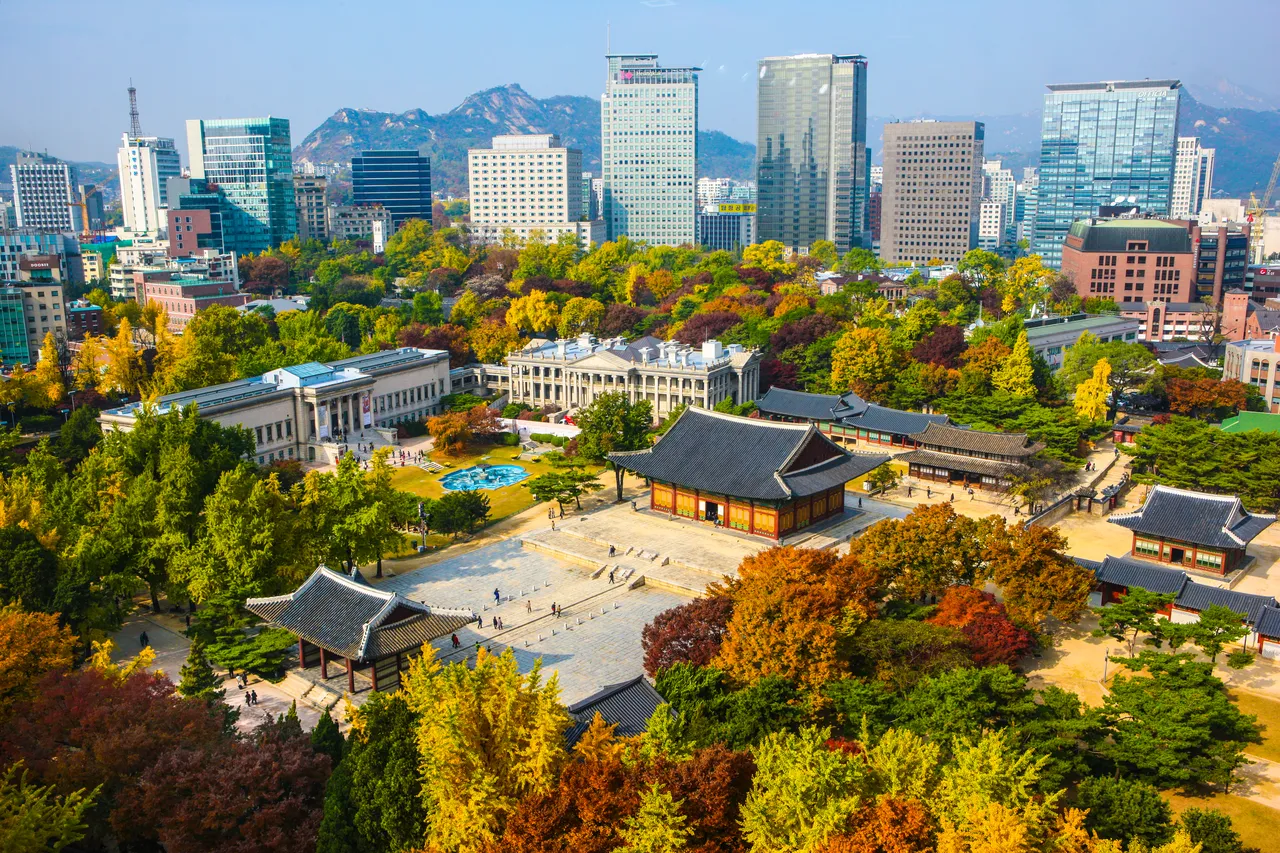
Seoul in November: Weather, Fall Foliage & What to Wear
November is late autumn in Seoul, cool at the start and close to winter by the end. Official KMA normals put the average daily range at 3.5 to 11.9 °C, but the first ten days are clearly milder than the last ten. Fall color can linger on lower ground, mainly early in the month, and snow is possible but not something to count on. Below: the numbers, early versus late November, where to look for color, and what to wear.
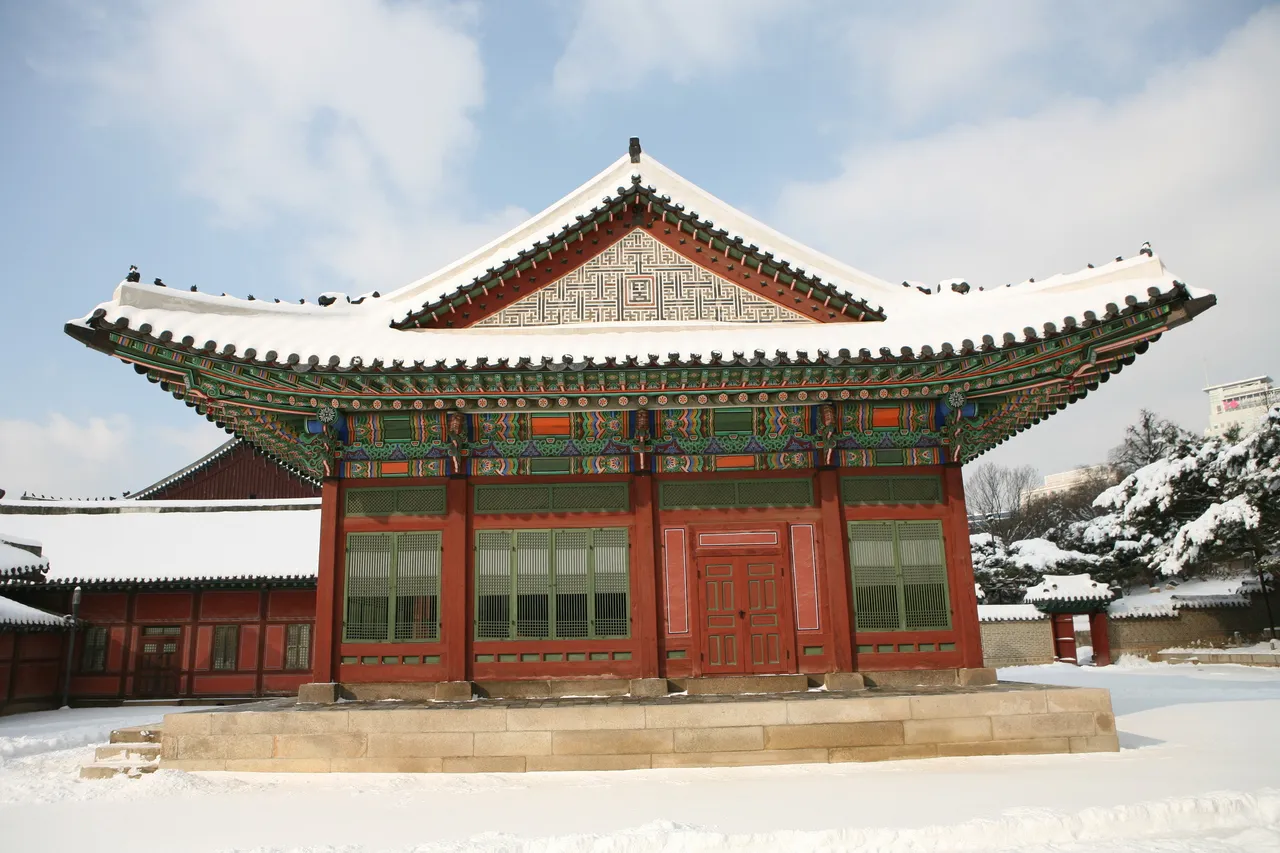
Seoul in December: Weather, Snow, Christmas & What to Wear
December is the first true winter month in Seoul. Official KMA normals put the average daily range at -3.4 to 4.2 °C, and the first ten days are clearly milder than the rest of the month. Snow is recorded on about 6 days in an average December, yet snow on the ground on a given date, Christmas included, cannot be promised. Below: the numbers, early versus late December, snow, Christmas, and what to wear.
Korea in November: Weather, Fall Foliage, What to Wear & Where to Go
November is late autumn turning toward winter in Korea. Seoul is cold enough for a real coat by the end of the month, Busan stays cool and drier, and Jeju is the mildest but windy and cloudy. Fall color is still possible on lower ground and in the south, but timing changes every year. Below: official KMA climate normals for the three regions, early versus late November, foliage and snow odds, what to wear, and where to go.
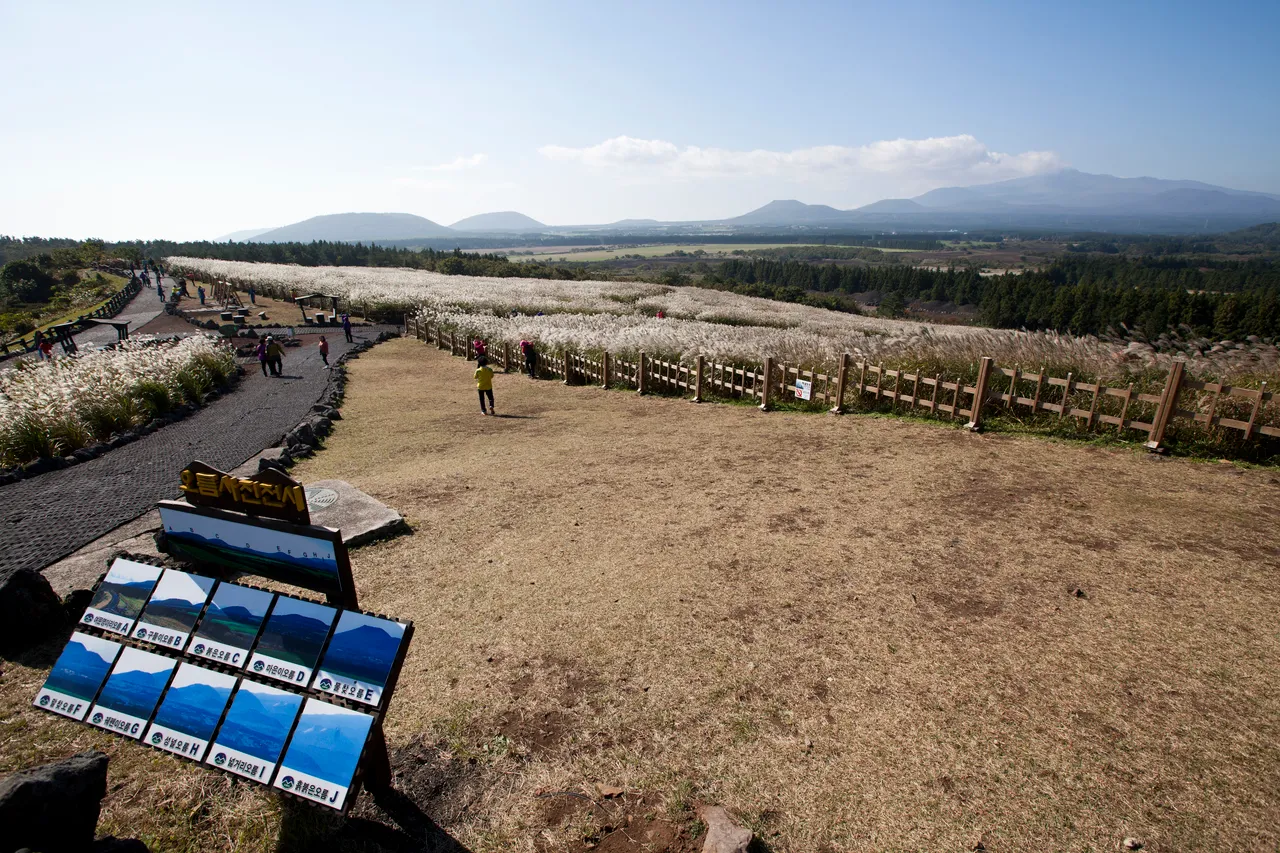
Jeju in November: Weather, Hallasan Foliage & What to Wear
November in Jeju is late autumn on the coast and early winter on Hallasan. Coastal days are usually cool and breezy, wind and showers matter more than the average temperature, and autumn color on the mountain is partial and timing-dependent. Below: typical weather, Jeju City versus Seogwipo, early versus late November, Hallasan trail rules to confirm, and exactly what to wear.
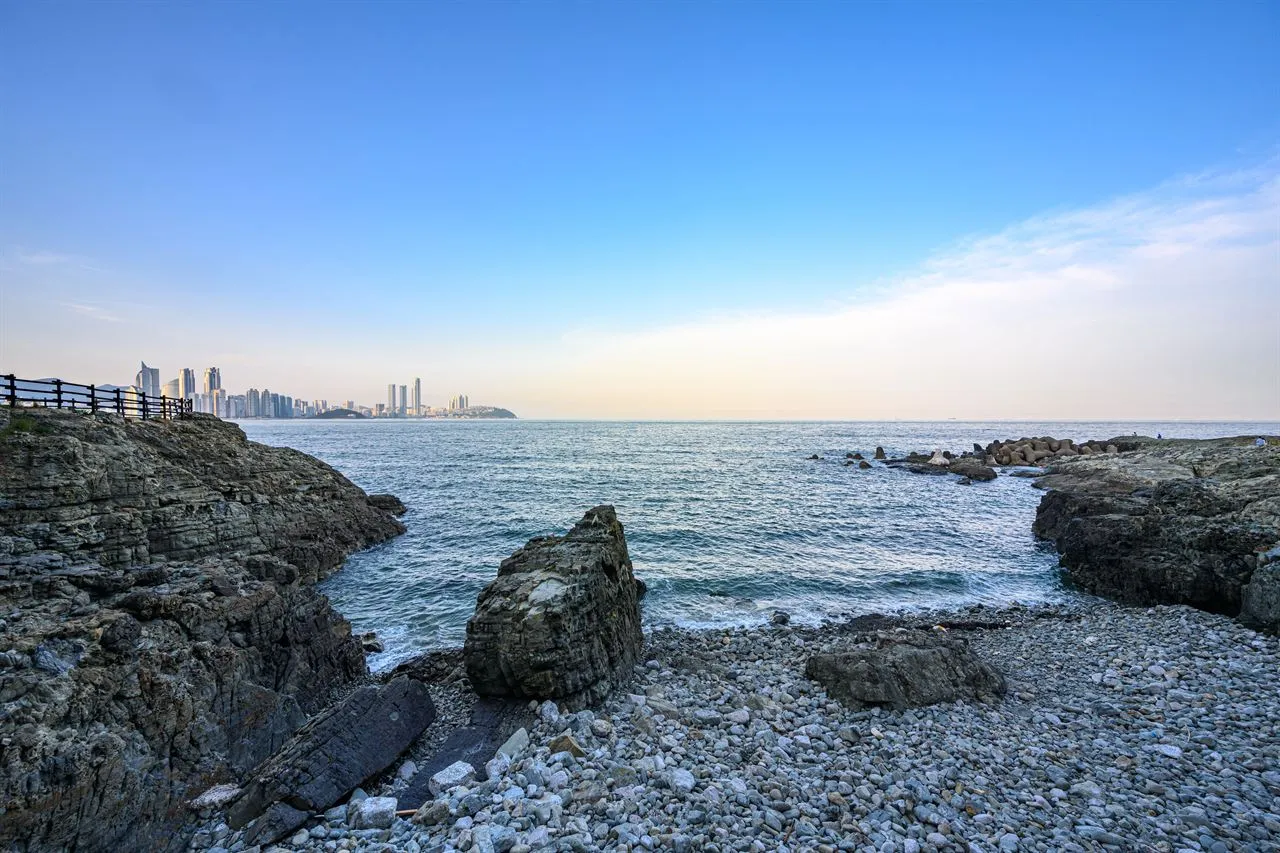
Busan in November: Weather, Coastal Wind, Fall Colors & What to Wear
November in Busan is late autumn, milder than Seoul but rarely warm. The average day is cool and dry, yet wind on open shorelines makes Haeundae, Gwangalli, and the headlands feel colder than the temperature suggests. Below: official KMA climate normals, Busan versus Seoul, early versus late November, what to expect from fall colors, and what to wear.
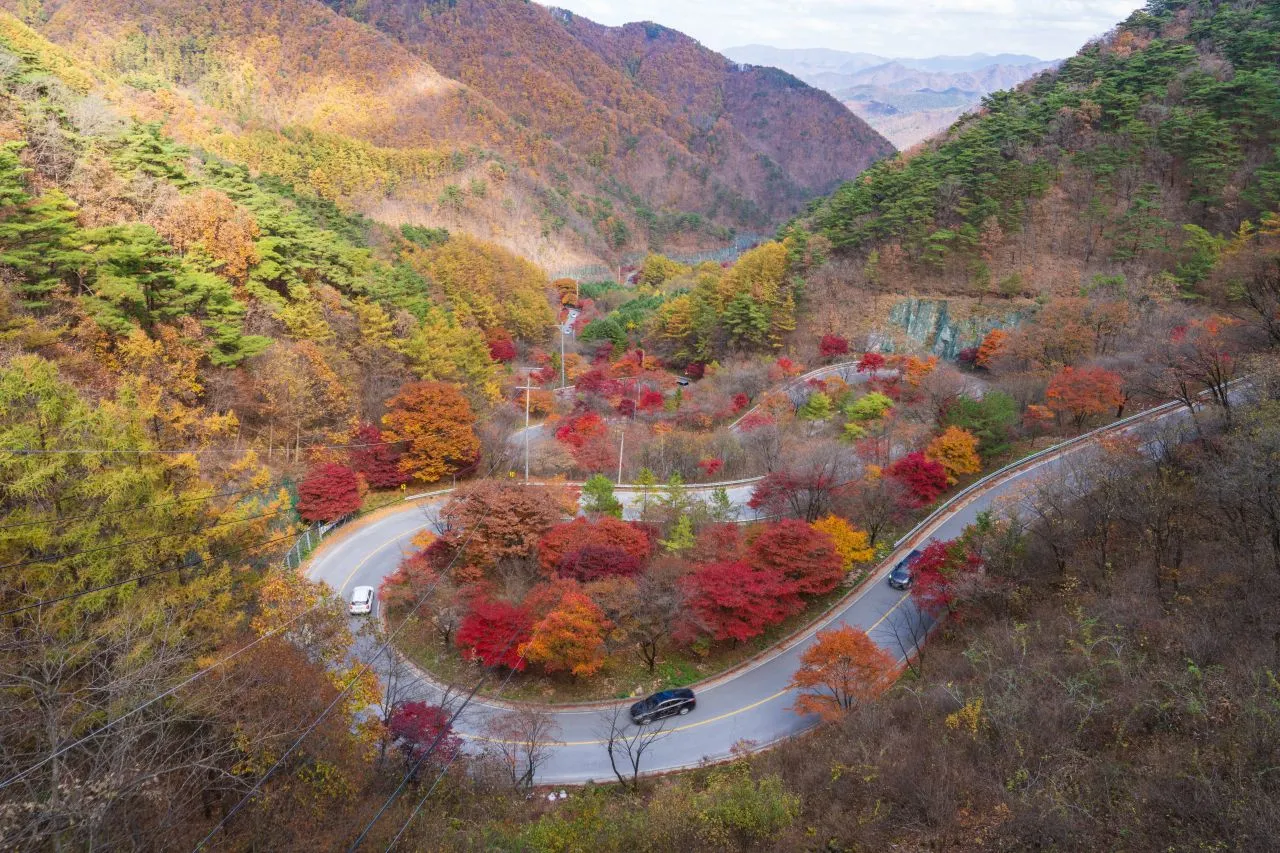
Danyang in Autumn: Bobaljae Fall Foliage & a 2-Day Trip
Danyang in autumn is a one-night river-and-pass trip, not a walkable old town. Visit Korea currently dates 2026 first color at Seoraksan around 3 October, with nationwide peak from mid-October through early November. That forecast does not publish a Bobaljae peak day. Take the Jungang Line to Danyang Station, keep Dodamsambong and Mancheonha in the central cluster, and treat Bobaljae as a mountain-pass drive or taxi, not a city bus stop.

Seoraksan & Sokcho Autumn Guide: Fall Foliage, Cable Car & 2-Day Trip
Seoraksan is Korea's early mountain-foliage trip, paired with Sokcho food and coast. Visit Korea currently dates 2026 first color at Seoraksan around 3 October, with peak later in October. That is a forecast, not a guarantee. There is no current tourist KTX to Sokcho. Take the bus, then choose one mountain mode: cable car to Gwongeumseong, a lower valley walk, or a real hike such as Ulsanbawi. One night in Sokcho is the practical default.
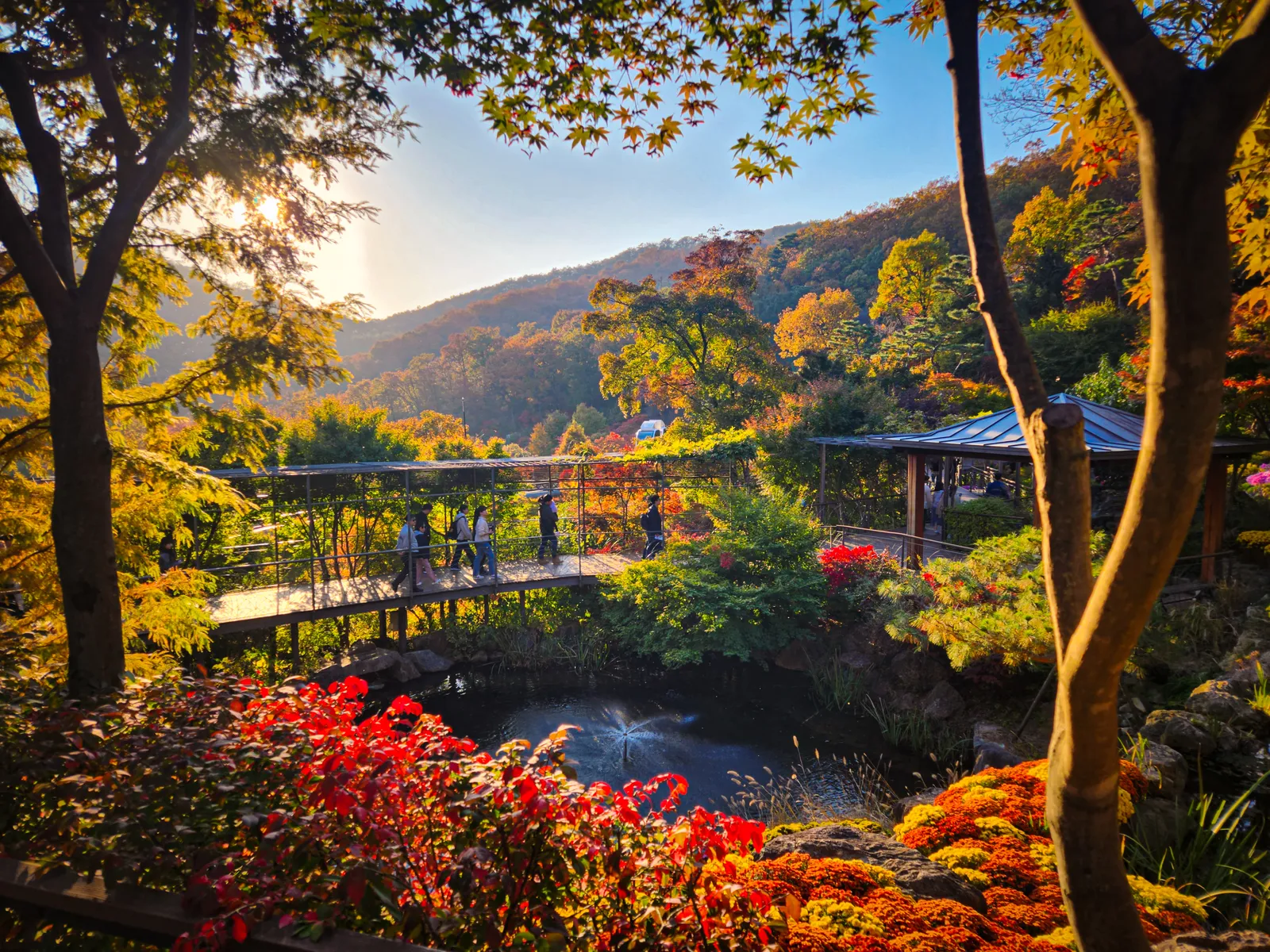
Korea Autumn Travel Guide: Fall Foliage, Ginkgo and Silver Grass
Korean autumn is not one peak day. Color starts on high northern mountains, then moves toward Seoul and the south, while ginkgo yellow and silver grass follow their own calendars. This guide is a date-based planner for four primary trips: Seoraksan, Yongmunsa's giant ginkgo, Hwadam Botanic Garden, and Mindungsan silver grass. As of early September 2026, the official nationwide foliage forecast had not yet been released, so treat every timing note as a pattern and re-check Forest Service and VisitKorea before you book.
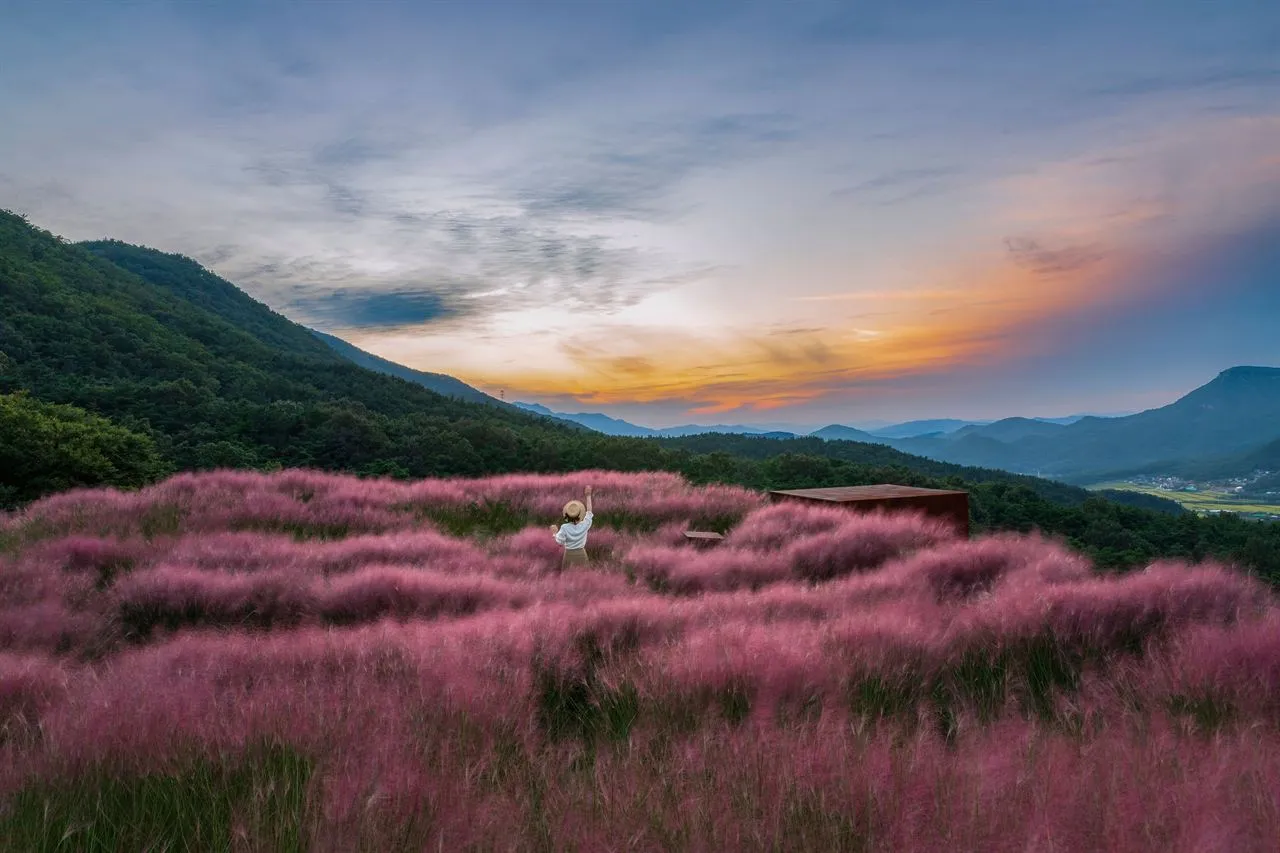
Korea in September: Weather, What to Wear & Where to Go
September in Korea is early autumn, not peak fall foliage. Early September can still feel warm and humid, while late September is cooler and clearer in many cities. Rain and typhoon risk remain possible. In 2026, Chuseok falls on 24 to 26 September, which can tighten intercity transport. Use this guide to choose timing, packing, and regions, then hand off peak foliage planning to the autumn season guide.

Seoul Winter Itinerary: 3, 5, and 7 Days + Winter Day Trips
Three winter days in Seoul should stay city-core. Five days can add one nearby winter day trip if snow scenery or a festival matters. Seven days should feel slower, with the same one major excursion and more indoor recovery. Snow in central Seoul is not guaranteed. Confirm forecasts and day-trip schedules before you lock the plan.
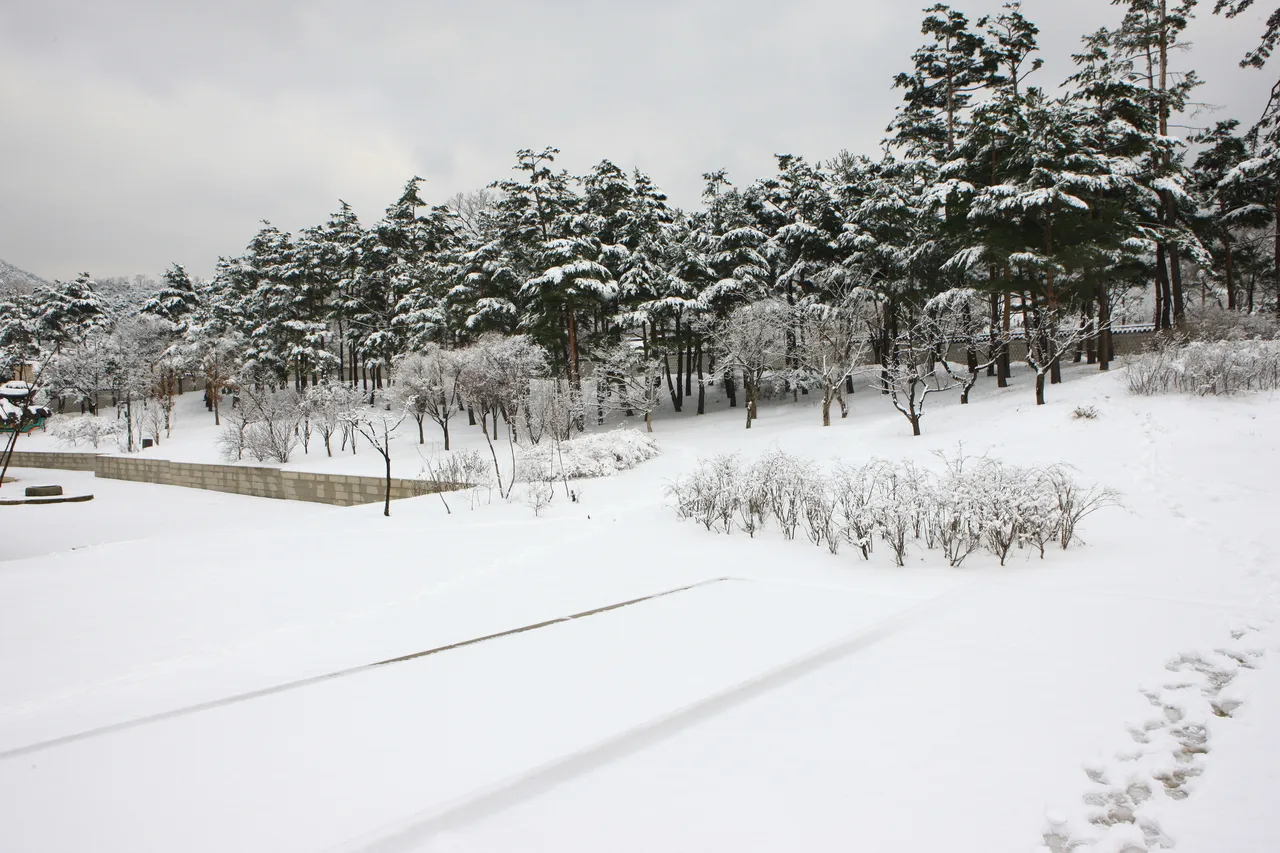
Korea in Winter: Ice Fishing Festivals, Ski Resorts Near Seoul, and How to Survive the Cold
Korean winter is genuinely cold, Seoul regularly drops below freezing, but it's the country's most underrated season: the lowest airfares and hotel rates, palaces far quieter than in spring, snow-and-hanbok photos, and festivals built on the cold. How cold it really is, the Hwacheon ice fishing festival, ski resorts near Seoul, winter food and the jjimjilbang, snow scenery, and exactly what to wear are all below. Festival and resort dates shift every year, so treat timing as approximate and confirm the official dates.

Korea Winter Itinerary: 5, 7, and 10-Day Trip Shapes
For most first-time winter visitors, seven days is the best balance: Seoul as the base, one optional winter day trip, then Busan if you want a milder coast. Five days stays Seoul-heavy. Ten days adds pace, not more cities. Snow in central Seoul is not guaranteed on your dates. Confirm current weather, festival schedules, and train tickets before you lock the plan.