Korea travel essentials: Page 2
Entry, money, connectivity, transport, and arrival. Filter by stage, or browse all guides. Ordered checklists live on the first-time path. For what to reserve before you fly versus what can wait, use what to book before Korea.
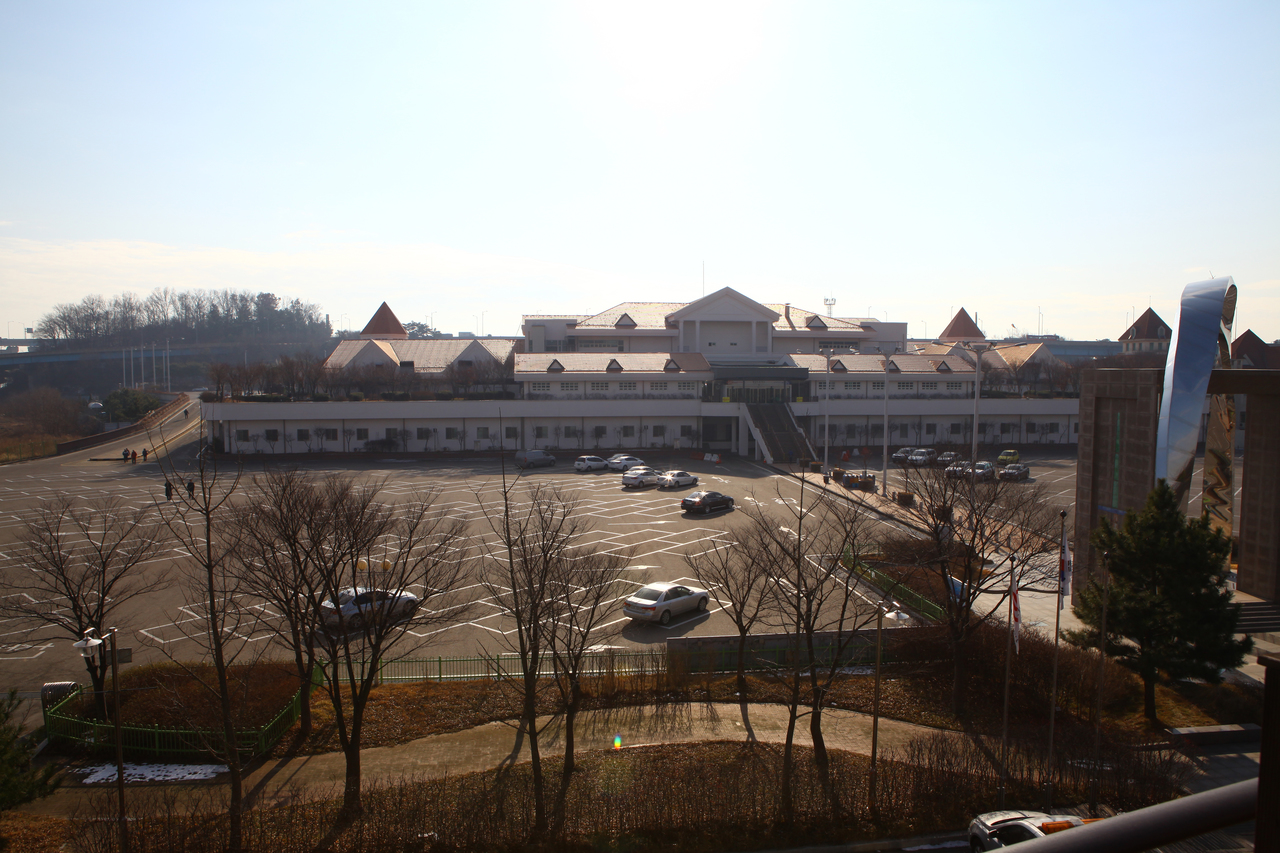
Korean Highway Rest Areas: What to Expect, Eat, and Check
A Korean highway rest area, or hyugeso, is closer to a small roadside town than a lay-by: parking, restrooms, a food court, snack counters, a shop, and often fuel. Facilities are recorded site by site rather than fixed nationwide, so what one stop has, the next may not. Two things catch visitors out most: food is usually ordered at a ticket machine first, and a rest area often belongs to one direction of the expressway only.
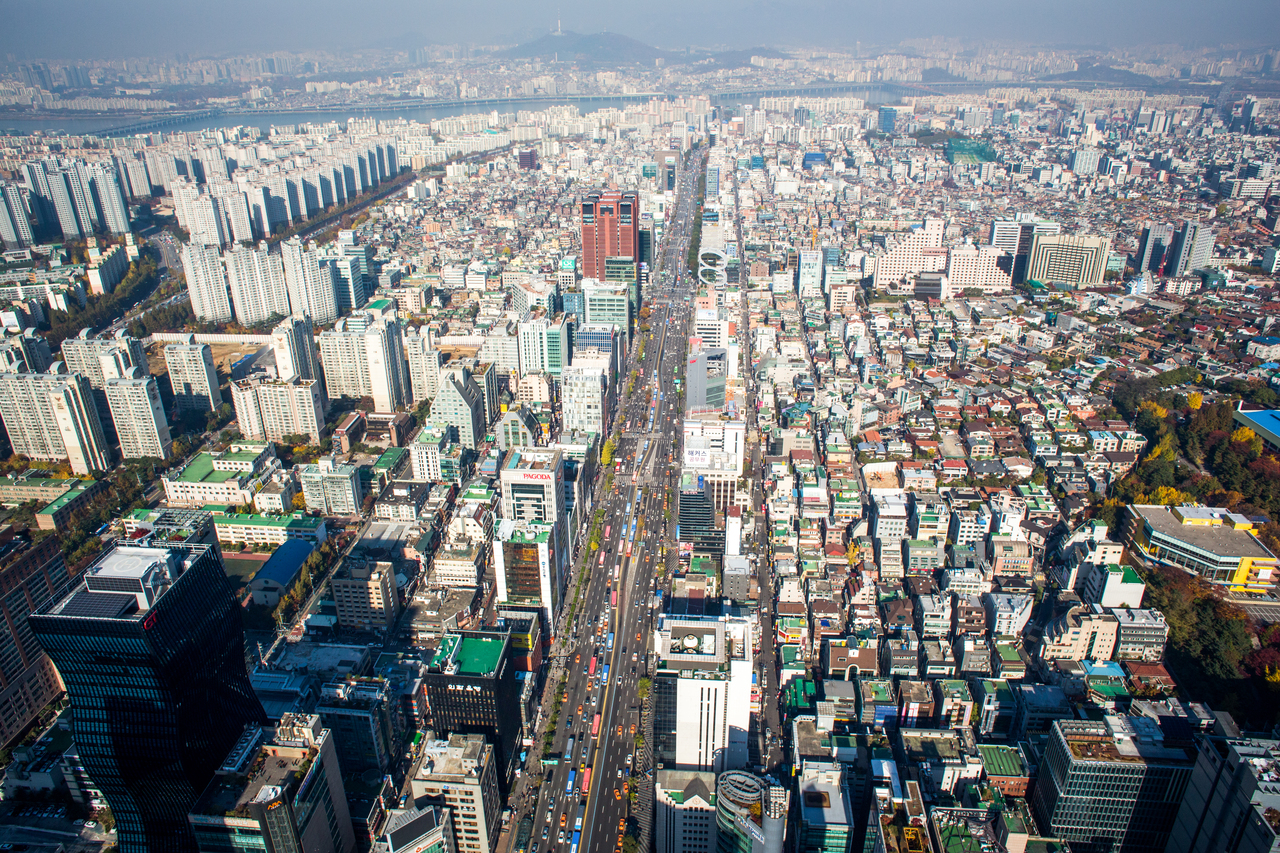
If You Feel Sick in Korea: Where to Get Help
This page is a help-seeking guide, not a diagnosis guide. If you believe you need emergency care, call 119 for fire and ambulance or 112 for police. VisitKorea also lists 1339 for infectious-disease emergencies and medical assistance contacts. For travel questions and interpretation that are not emergency dispatch, use the 1330 Korea Travel Hotline. For non-emergency needs, start with a pharmacy or a clinic or hospital, confirm language and hours, and keep your own insurance paperwork ready. Confirm current official numbers and services before you rely on them.
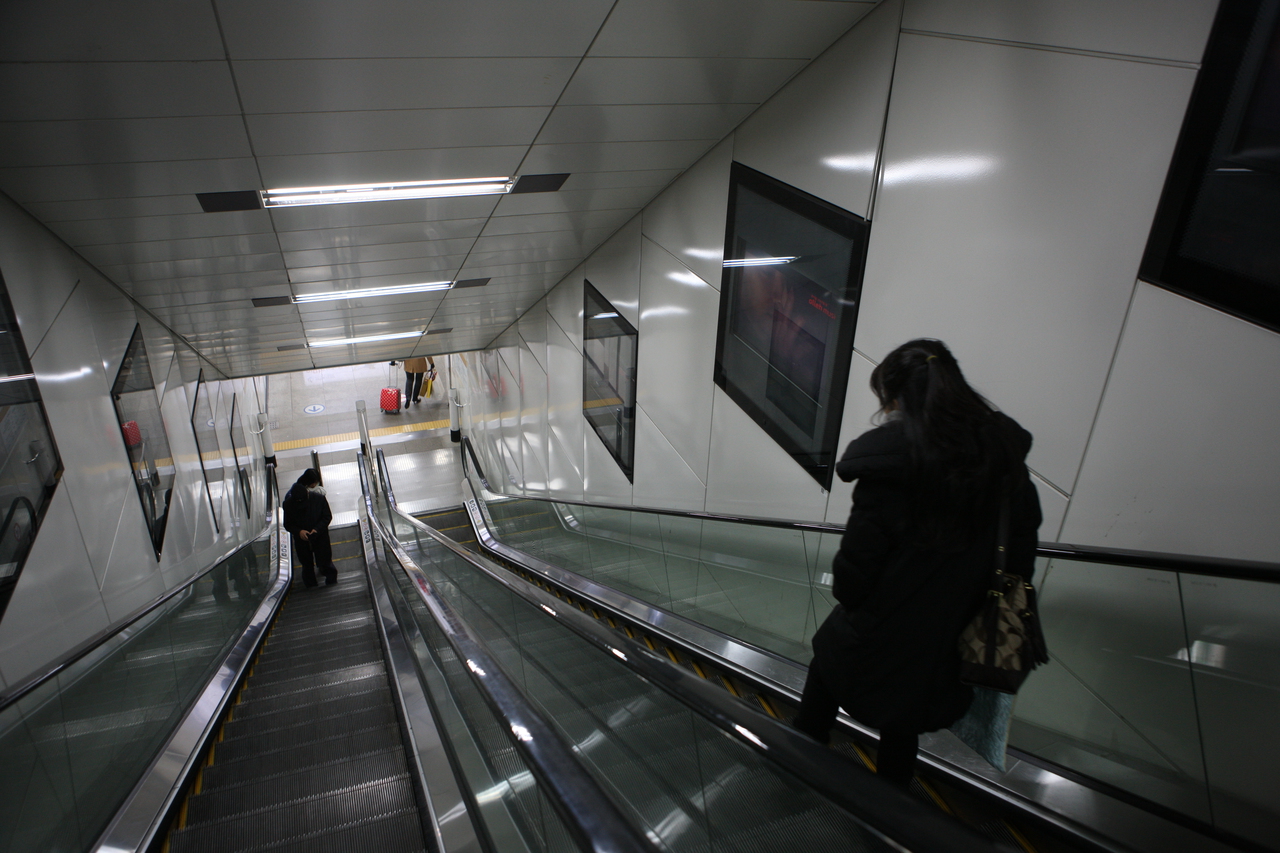
Luggage Storage in Korea: What to Use and What Can Wait
Most luggage problems are timing problems, not a missing secret locker. Use hotel baggage hold when the property allows it. For gaps before check-in or after checkout, use airport or major-station storage only after you confirm hours, size limits, and payment on site or with the operator. Do not plan a full sightseeing day while hauling suitcases. This page owns the decision order, not a live map of every locker.

Leaving Korea: What to Do Before Your Flight
Leaving Korea is a short sequence, not another encyclopedia. Before you leave the city: check out, know your Incheon terminal, and decide how you will reach the airport. At the airport: check in, finish only the tax or customs steps that still apply to you, clear security and immigration, then board. Detailed tax refund, terminal, transport, and T-money rules live in their own guides. This page owns the order and the "does this apply to me?" filter.

Korea Tax Refund Guide for Tourists: Immediate, Downtown, and Airport Steps
Korea’s tourist tax-refund system lets eligible foreign visitors reclaim tax on many retail purchases at participating Tax Free / Tax Refund stores. It is not the same as airport duty-free shopping, and it is not the same as arrival customs allowances. Typical tourist-facing guidance (VisitKorea, last updated 20 October 2025) frames a minimum of ₩15,000 per receipt, unopened unused goods, and departure within about three months of purchase. Immediate in-store refunds have tighter caps. Downtown cash refunds often still need an airport customs confirmation step. This page owns the nationwide decision and process. Store layout and brand tips stay in shopping guides. Cashier-screen UX that needs onsite evidence is marked field-gated, not invented here.
Renting a Car in Korea Guide for Foreigners: IDP, Insurance, Traffic Rules, and Driving Tips
Renting a car in Korea can be the best way to see Jeju, Gangwon, and the countryside, but it's not the move for a first trip to Seoul, where transit is easier. This is a preparation guide, not legal advice: the documents you need (and the International Driving Permit trap that gets German, French, and Thai visitors turned away at the counter), how car insurance really works, Korea's very strict 0.03% drink-driving limit, the traffic rules that matter most, and what to do after an accident. Prices, fees, fines, and coverage vary by company and change, so always confirm current official info and your rental contract.

Korea Trip Budget Guide: What Drives Cost and How to Plan
A useful Korea budget starts with drivers, not one invented daily total. Accommodation is usually the largest flexible cost. Food and activities swing with style. Local transit is relatively predictable once you have a transit card. Intercity trains and flights inside Korea belong in a separate line. International airfare is outside this page's ground-trip scope. Use the framework below to build your own range, then confirm current fares and rates on official or booking sources before you commit.

T-money Card Guide for Visitors to Korea
A T-money card is a rechargeable transit card that works on subways, buses, and most taxis nationwide. Buy one at any convenience store or station machine for about ₩3,000 to 5,000, load cash onto it, and tap in and out. It is the simplest way for visitors to get around Korea.
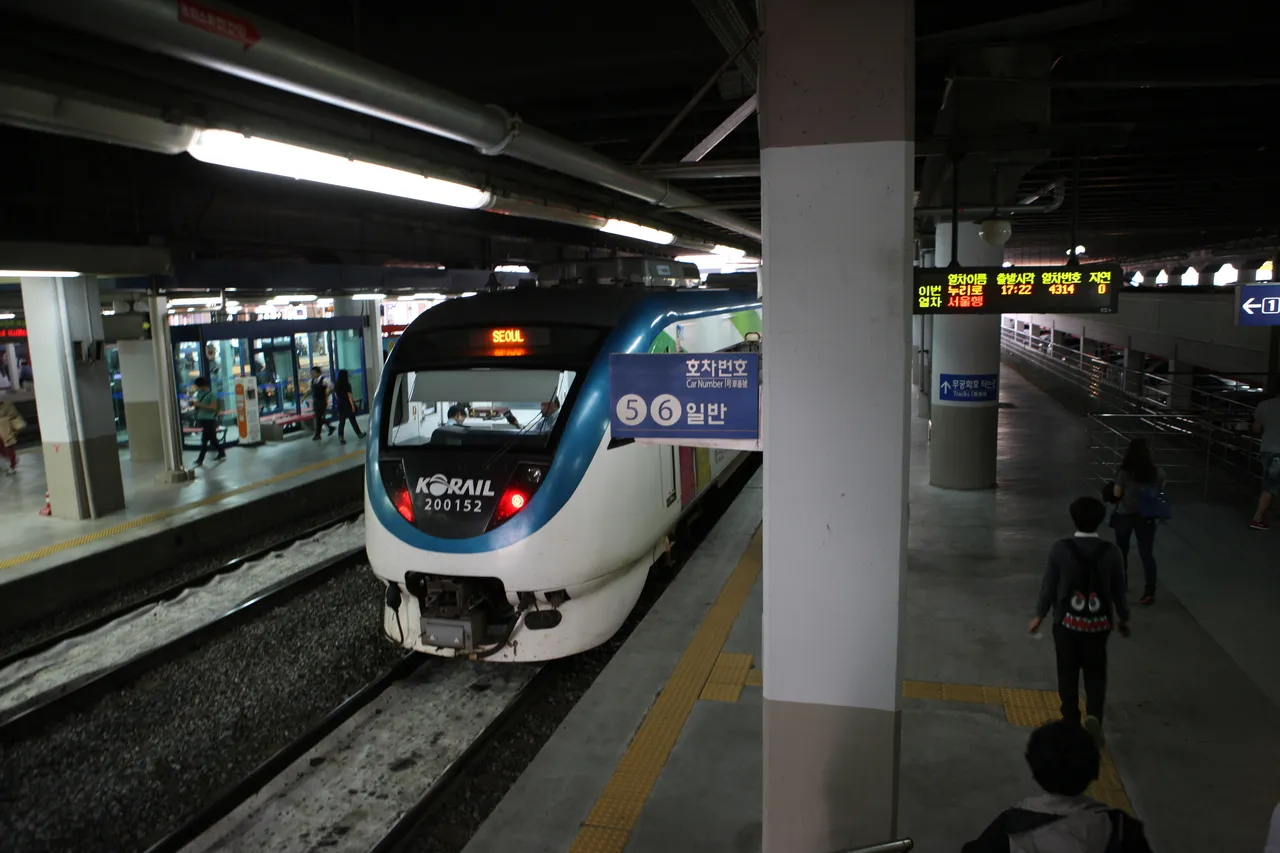
Korail Pass Guide for Foreigners: When It Saves Money and When It Does Not
The Korail Pass can be great value, or a waste of money, depending entirely on how much you ride. This guide is a buying-decision tool, not a sales pitch: it explains what the pass covers (KORAIL trains like KTX and ITX, not subways or Jeju), why former SRT coverage after 1 September 2026 is not yet published, who can buy it, how seat reservations still work, and a simple way to check whether it beats single tickets for your trip. Pass types, prices, and rules change, so confirm the current details on the official KORAIL site before you buy.
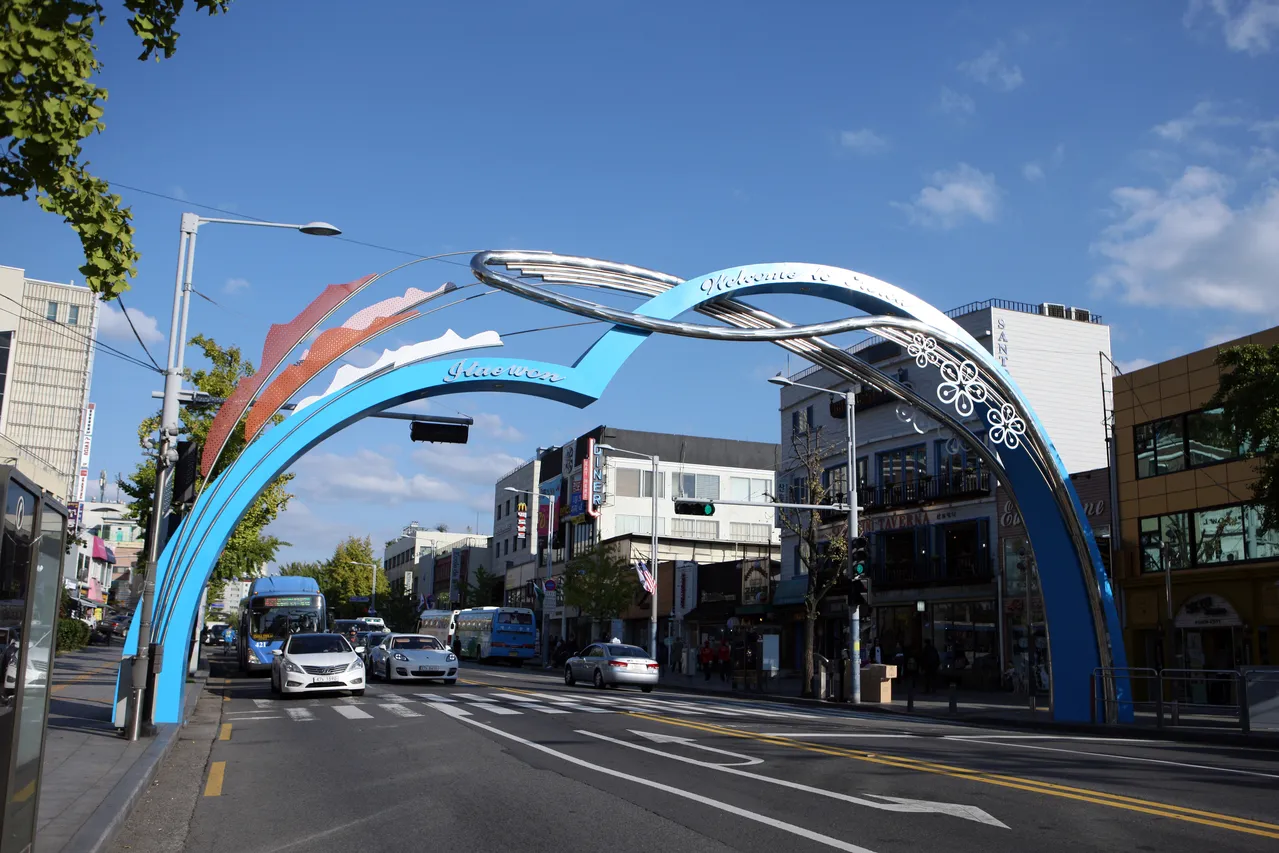
Muslim-Friendly Seoul Guide: Halal Food, Prayer Rooms, and Travel Tips
Seoul is increasingly workable for Muslim travelers, but it helps to know how things actually work: Korea's tourism board sorts restaurants into four tiers from fully halal-certified to simply pork-free, certified places are still relatively few, and "no pork" does not mean halal. The four classifications, the Seoul Central Mosque and Itaewon, prayer rooms, and how to check ingredients are all set out below. Verify each place directly, since menus, certifications, and hours change.
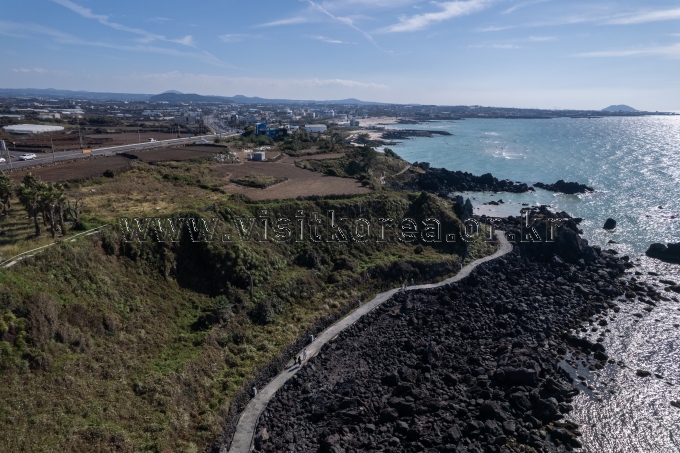
Jeju Car Rental Guide for Foreigners: IDP, Insurance, Driving Rules, Parking, and Road Trip Tips
A rental car is the practical way to see Jeju, where buses are slow and much of the coast is spread out, but a license alone won't get you the keys. This is a preparation guide, not legal advice, focused on what's different about Jeju: you pick the car up by shuttle from outside the terminal, over half the fleet is now electric, there are no tolls, and Udo may restrict rental cars. The documents, insurance exclusions, driving and parking realities, and a route that doesn't cram the whole island into one day. Prices, fees, insurance, and rules vary by company and change, so always confirm current official info and your rental contract before you drive.
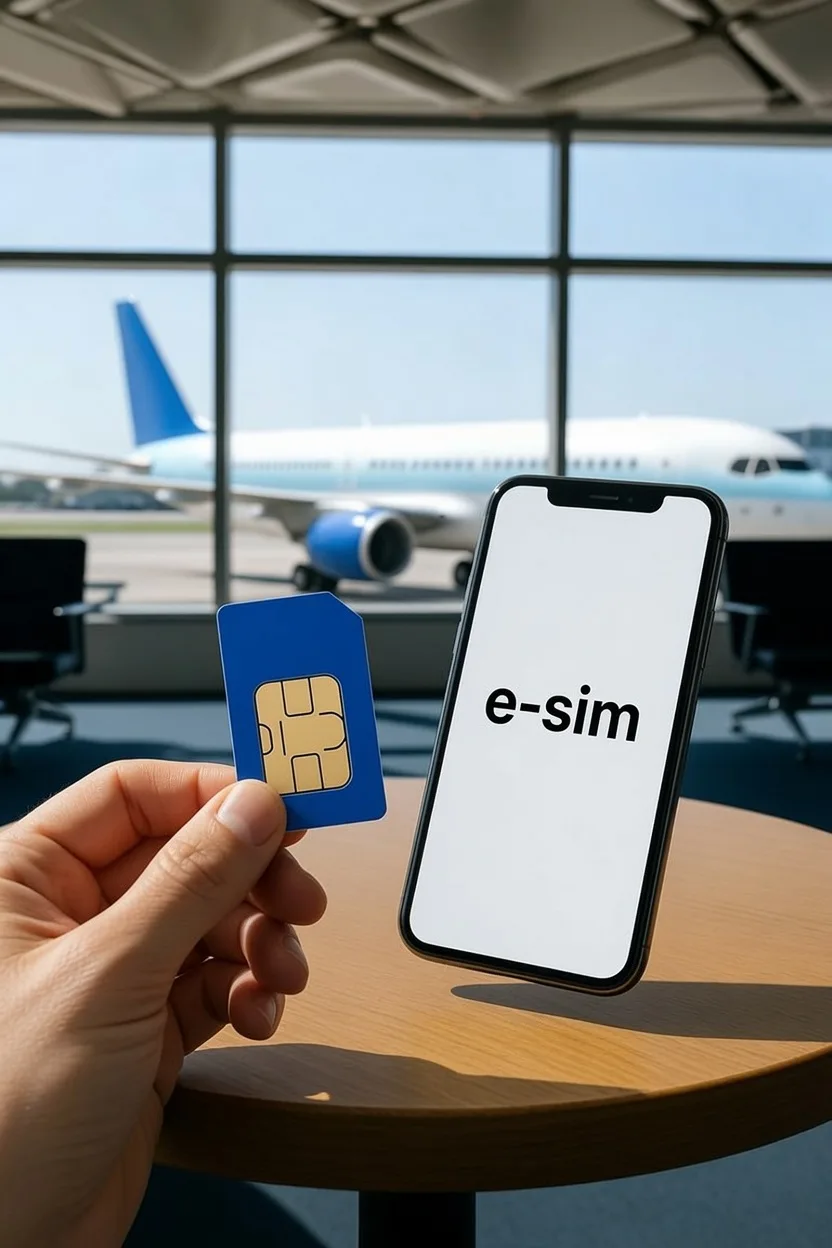
Korea SIM vs eSIM Guide for Tourists: Which Is Better for Your Trip?
The right connection in Korea is not the cheapest one. Work through it in order: can your phone take a physical SIM or an eSIM, is it carrier-unlocked, do you genuinely need a Korean number, and how much data do you use. Most short-trip visitors are well served by a data-only eSIM, which generally needs no passport verification, while any product with calling and texting does require it. Families and groups should price a pocket Wi-Fi router against separate lines. A tourist Korean number is not the same thing as Korean identity verification, and swapping in a physical SIM silences your home number. Plans, prices, and airport counter hours change, so confirm current details with the provider before you buy.