Korea travel essentials: Page 3
Entry, money, connectivity, transport, and arrival. Filter by stage, or browse all guides. Ordered checklists live on the first-time path. For what to reserve before you fly versus what can wait, use what to book before Korea.
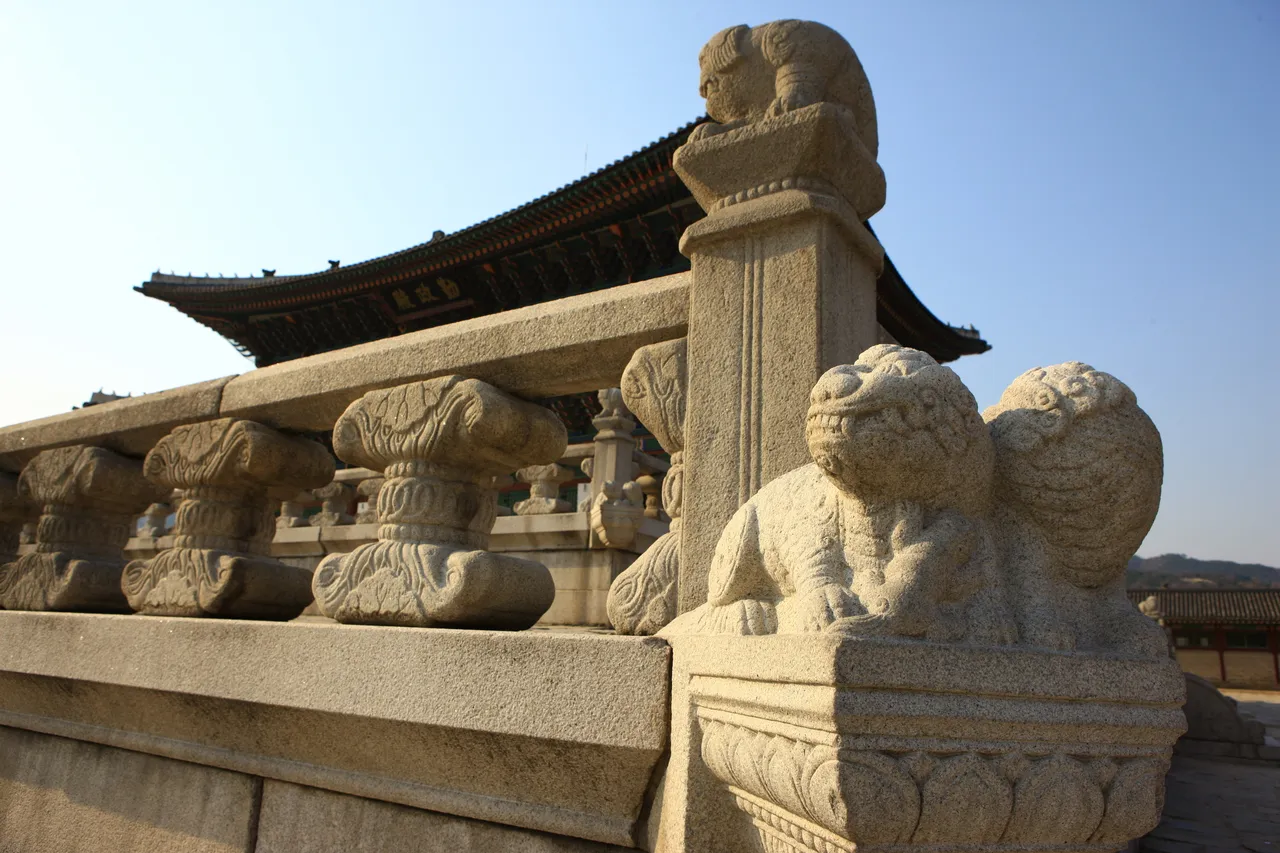
10 Things Not to Do in Korea: Travel Etiquette, Manners, and Mistakes Foreign Visitors Should Avoid
Korea is an easy, welcoming place to travel, and you don't need to be perfect, but a handful of small habits will make your trip smoother and show respect for the people around you. Ten common missteps follow, from loud phone calls on the subway to smoking outside designated areas, each with what to do instead. It separates actual legal rules (like smoking fines) from cultural manners (which are flexible), and keeps the tone practical rather than preachy. Rules and fines vary by district and change, so check local signs and official info as you go.
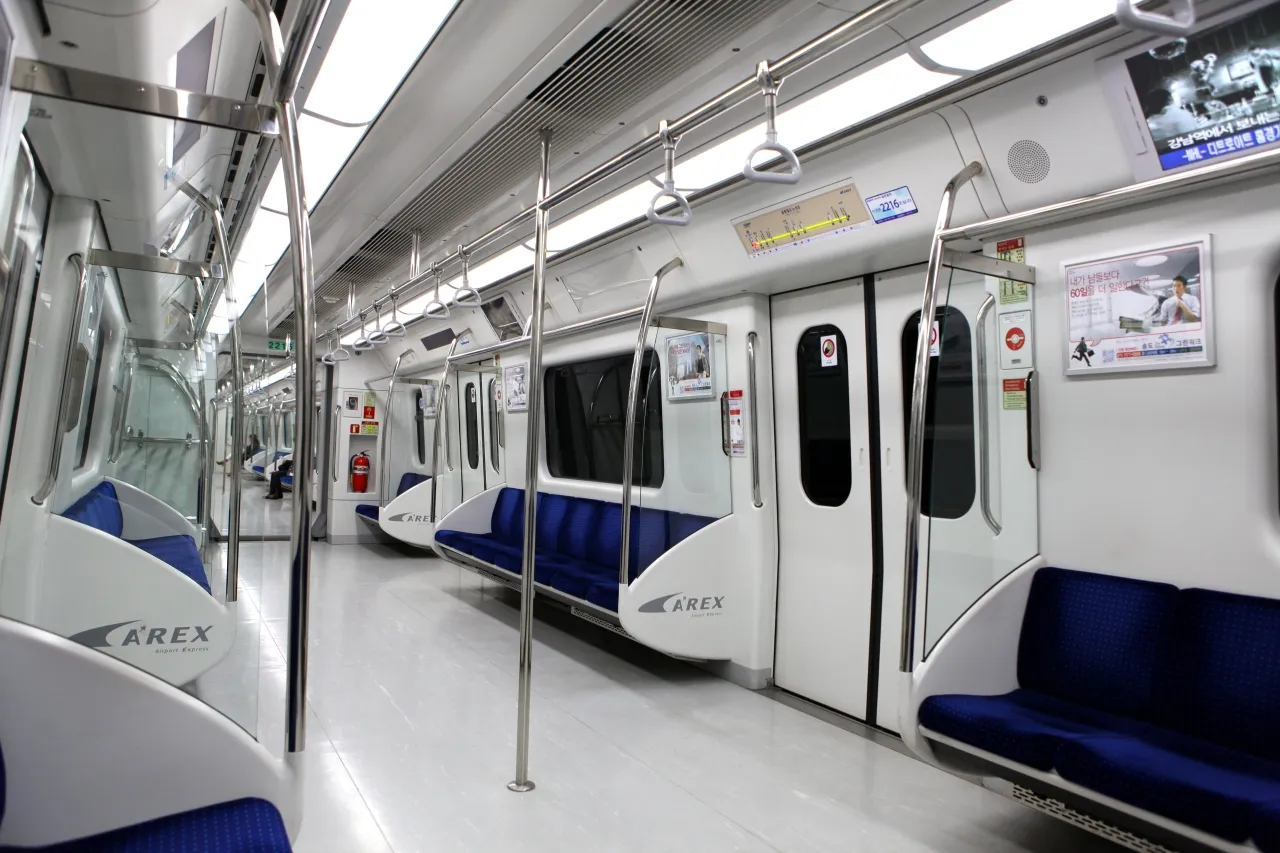
Korea Public Transportation Etiquette Guide: Subway, Bus, Priority Seats, and Quiet Rule
Korea's subways and buses are clean, fast, and famously quiet, and a few social habits are different from what many visitors are used to. This is a transit-specific deep dive: how to board a bus (front door on, back door off, and always tag out or you'll be overcharged), how priority and pink seats actually work, what the "quiet rule" really means (a strong norm, not a law), plus luggage, rush hour, escalators, accessibility, and a subway-vs-bus comparison. Fares and routes change, so we keep those light and point you to the T-money guide. Nobody expects perfection, this just helps you blend in.
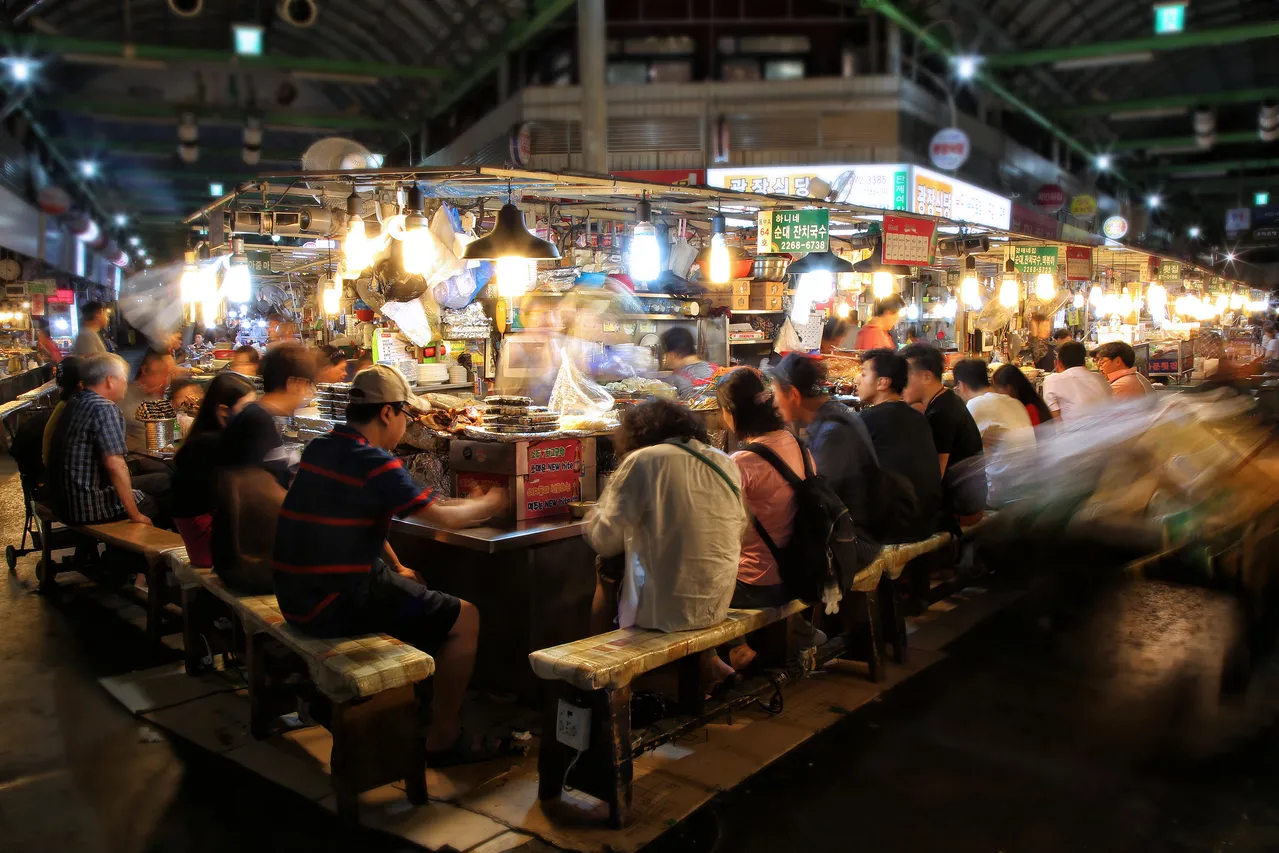
Gwangjang Market Tourist Price Guide: What to Watch Out For and Better Seoul Market Alternatives
Gwangjang Market is one of Seoul's most famous food markets and still worth a visit, but reported price disputes (2023 to 2026) mean it pays to check before you order. This is a balanced, practical guide, not a "don't go" piece: what to watch for, the price-display and monitoring measures now being rolled out, how to avoid overpaying, and better-fit alternative markets (Tongin, Mangwon, Gyeongdong, Namdaemun) by travel style. Prices and hours change, so confirm current details before you go.

Muslim-Friendly Jeju Guide: Food Planning, Prayer Tips, and Family Route
Jeju is a beautiful nature-and-family island, but it has fewer Muslim-friendly options than Seoul, so the trick is to plan each day rather than hope to find halal food anywhere. Black pork is on almost every menu, seafood is usually easier but still needs checking, prayer spaces are few enough to map in advance, and a rental car makes a family day far more workable. Restaurants, prayer facilities, and hours change, so verify current details with official sources (VisitJeju, KTO) before you go, and never assume a place is halal without checking.
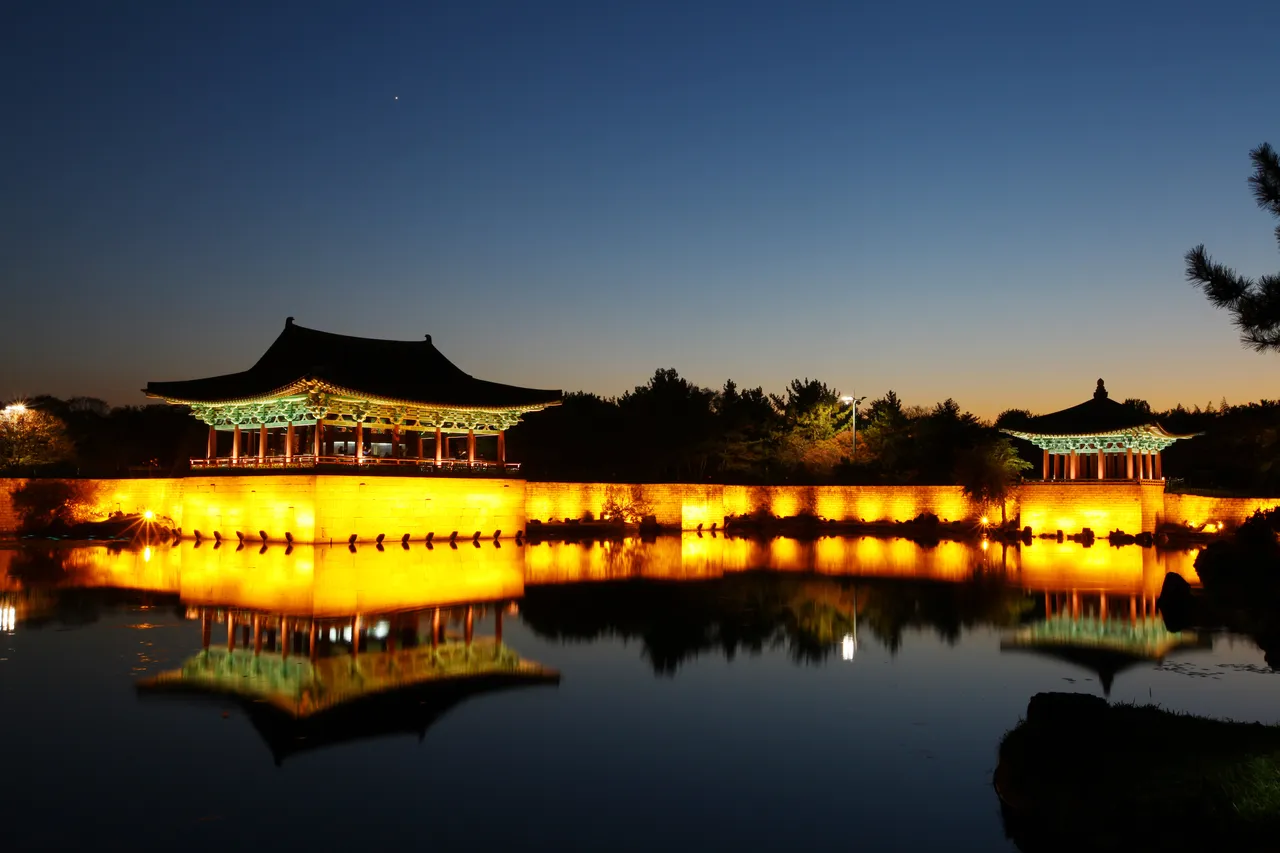
Seoul to Gyeongju by Train: KTX to Singyeongju and City Transfer
The KTX makes Seoul to Gyeongju an easy ride of a couple of hours, but the part first-timers miss is that the high-speed station sits outside Gyeongju's historic center, not in it, so you still have to plan the transfer into town. Below: booking the train, the recent station-name change, the ride from the KTX station to the walkable historic district, the separate and longer trip out to Bulguksa, and how many days the area really takes. Fares, times, and bus numbers change, so confirm the official and map-app details.