
A convenience store run can cover your first breakfast, a fast lunch between sights, or dinner after a late flight. The trick is to shop by category and let the label decide how you heat and eat each item.
Stock, prices, hours, seating, and in-store equipment vary by store and change often. Treat this page as a method, and check the package and the store in front of you.
Quick answer
- What to buy: triangle kimbap, gimbap rolls, lunch boxes (dosirak), cup ramyeon, chilled ready meals, drinks, and snacks.
- How it works: pick the item, read the label, pay at the counter, then heat or prepare it only as the package says.
- Before you eat: check the allergen box and the use-by date (소비기한), and ask staff if anything is unclear.
- Dietary needs: no category is automatically vegetarian, vegan, halal, or gluten-free. The label decides, item by item.
Korean convenience stores at a glance
| Question | Short answer |
|---|---|
| Which chains will I see? | Mainly CU, GS25, 7-Eleven, and emart24 |
| Open 24 hours? | Many stores open late or around the clock, but not all; check the door or a map app |
| Microwave and hot water? | Common, but not in every store, and some sit behind the counter |
| Somewhere to eat? | Some stores have a counter or tables; others have none |
| Labels in English? | Mostly Korean; a translation app on the ingredient panel helps |
| Paying by foreign card? | Usually possible at the major chains; see the payment guide below |
| Safe for my diet? | Only if the label confirms it; read every package |
What should you buy?
Start from the situation, not the shelf. The table below matches common traveler needs to the categories that usually fit them.
| If you want | Look at | Watch for |
|---|---|---|
| A fast breakfast | Triangle kimbap, a sandwich, yogurt, a coffee or milk drink | Fillings with tuna, ham, or mayonnaise |
| A sit-down lunch | A dosirak heated in the store | Microwave instructions and seating |
| Something hot and simple | Cup ramyeon | Spice level and the hot water fill line |
| A late-night meal after a flight | Gimbap, a dosirak, or a chilled ready meal | Store hours near your hotel |
| A light snack | Packaged snacks, fruit cups, desserts | Nuts, milk, and egg in the allergen box |
The main food categories
These are the categories you will see in most stores. Exact products, sizes, and limited editions rotate, so this guide names types rather than products.
Triangle kimbap (samgak gimbap)
A triangle of rice with a filling, wrapped in seaweed that is kept separate from the rice until you open it. Fillings range from tuna with mayonnaise to spicy pork, beef, or kimchi, so read the label rather than guessing from the picture.
Many wrappers are numbered. Pull the tabs in order and the seaweed slides around the rice without tearing.
Gimbap rolls and rice meals
Gimbap is a seaweed roll cut into slices, often with egg, ham, crab stick, or pickled radish inside. Cup rice bowls and rice burgers sit in the same chilled section in many stores.
For what gimbap is and how it differs from Japanese rolls, see what to eat in Korea.

Dosirak (lunch boxes)
A dosirak is a boxed meal with rice and several side dishes, sold chilled. Most are meant to be heated, and the label normally states how.
The tray, lid, and film are not all microwave-safe in the same way. Follow the label on what to remove or pierce before heating.
Cup ramyeon
Instant noodles in a cup, prepared with hot water from the store dispenser when one is available. Spice ranges from mild to very hot.
For ten combinations and the hot-water steps, read the convenience store ramen combos guide.
Chilled ready meals and hot snacks
Sandwiches, salads, pasta, and other chilled meals sit in the refrigerated case. Some stores also keep a heated case with items such as skewered snacks, but many do not.
Treat anything chilled as chilled. Buy it, eat it soon, and keep it cold if you are carrying it back to your room.
Drinks, desserts, and packaged snacks
Expect coffee, tea, flavored milk drinks, juices, yogurt drinks, ice cream, and long rows of chips and sweets. For snacks worth taking home, see the Korean supermarket snacks guide.
First-time convenience store flow
- Choose your food by category, using the table above.
- Check storage and heating. The label shows whether an item is chilled or room temperature and, for meals meant to be heated, how to heat it.
- Check ingredients and allergens. Read the allergen box and the use-by date before you go to the counter.
- Pay at the counter before you open, heat, or eat anything.
- Use the microwave or hot water only if the store has one available, and ask staff if you cannot find it.
- Follow the packaging instructions for heating time, what to remove, and how much water to add.
- Eat in the designated area if the store has one and allows it.
- Dispose of waste the way the store's bins and signs ask.
How to heat and eat the food
Heat only what the package says can be heated, for the time it gives. Heating times on Korean labels are often listed by microwave power, so match the setting if the store microwave shows one.
Remove foil, metal, and any lid the label says to take off. Never put packaging in the microwave unless the label allows it, and ask staff when the instruction is unclear.
Hot water and microwaved food get very hot. Let the item stand, open it away from your face, and carry it level to a table rather than eating while you walk.
Breakfast, quick lunch, and late arrival
Breakfast
Triangle kimbap or a sandwich with a coffee or milk drink is the usual quick option. Read the filling first, because tuna, ham, and egg are common.
Quick lunch
A heated dosirak is the most complete meal in the store. If there is no seating, take a cold option such as gimbap to a park bench instead.
Late arrival
After a late flight, a store near your hotel may be the only food still open. Check its hours on a map app before you set out, and keep a backup option such as a packaged snack. For the rest of your first day, use the first-time path.
Allergies and dietary restrictions
Korean food law requires packaged foods to show allergens in a marked box near the ingredient list. The mandatory list includes milk, eggs, wheat, soybeans, peanuts, walnuts, pine nuts, buckwheat, shrimp, crab, shellfish, squid, mackerel, beef, pork, chicken, peaches, tomatoes, and sulfites.
Labels also carry a precaution statement when an allergen may be present through shared production. The box is in Korean, so scan it with a translation app and check every item, every time.
Ask at the counter while pointing to the item.
Polite돼지고기 들어 있어요?
dwae-ji-go-gi deu-reo i-sseo-yo?
Does this contain pork?
Korean audio isn't available on this device or browser. Use the romanization above to say it.
Vegetarian, vegan, halal, and gluten caution
- Vegetarian and vegan. Broths, sauces, and seasonings often contain meat, fish, or seafood, and many rice items include egg, ham, or tuna. Assume nothing is meat-free until the ingredients confirm it.
- Halal. No visible pork does not mean pork-free, and pork-free does not mean halal. Seasonings, broths, gelatin, and alcohol-based ingredients can all be present. Look for a recognized halal certification mark and read the ingredients, and see the Korean food guide for Muslim travelers.
- Gluten. Wheat appears in many sauces, including soy sauce, and in noodles, batters, and breads. Do not rely on the front of the pack: check the allergen box for wheat and the ingredient list for soy sauce.
Use-by dates on Korean labels
Since 1 January 2023, most Korean foods carry a use-by date (소비기한) instead of the old sell-by date. The Ministry of Food and Drug Safety defines it as the date until which the food is safe to eat when stored as the label says.
The date is usually printed in year, month, day order. Do not buy or eat anything past it, and follow the storage line, such as refrigerated, once you leave the store.
Payment, hours, seating, and trash
Payment
Foreign cards usually work at the major chains, and topping up a transit card is a cash task at the counter. See how to pay in Korea and the T-money card guide for the details.
Hours
Many stores stay open late or around the clock, but hours are set store by store. Check the door sign or a map app before you count on one.
Seating
Some stores have a window counter, indoor tables, or outdoor tables. Others have no seating at all, and some limit eating in, so follow the store's signs.
Trash
Korean stores usually separate waste. Drain liquids where the store shows you, and sort food waste, recyclables, and general waste into the bins marked for them.
Ask after paying if you cannot see a microwave.
Polite전자레인지 써도 돼요?
jeon-ja-re-in-ji sseo-do dwae-yo?
May I use the microwave?
Korean audio isn't available on this device or browser. Use the romanization above to say it.
The main chains
The four major chains are CU, GS25, 7-Eleven, and emart24. Each sells similar categories plus its own house-brand items, and none is better for every trip.
7-Eleven completed its takeover of the Ministop chain in March 2024, so older guides that mention Ministop now point to 7-Eleven stores. Choose by location and by what is on the shelf.
Common mistakes
- Eating before paying. Pay first, then open or heat the item.
- Assuming every store has a microwave or hot water. Look around or ask.
- Microwaving the wrong packaging. Remove foil, metal, and any lid the label says to take off.
- Judging fillings by the picture. Read the ingredient list.
- Treating "no pork visible" as pork-free. Check the allergen box and the ingredients.
- Ignoring the use-by date. Check it before you pay.
- Counting on a 24-hour store. Check hours on a map app.
- Leaving chilled food in a warm bag. Eat it soon or keep it cold.
- Mixing all trash in one bin. Follow the store's sorting signs.
FAQ
What should I buy at a Korean convenience store first?
Triangle kimbap, a gimbap roll, or a dosirak are easy first meals. Read the filling and allergens before you pay.
Can I heat food in a Korean convenience store?
Often, yes, but not in every store. Use the microwave only for items whose label allows it.
Do Korean convenience stores have hot water for ramen?
Many do, but not all. Look for the dispenser or ask staff.
Are Korean convenience stores open 24 hours?
Many are, but not all. Check the door sign or a map app.
Can I eat inside the store?
Some stores have a counter or tables and allow it. Others do not, so follow the signs.
Is convenience store food halal?
Do not assume it. Look for a recognized halal certification mark and read the ingredients.
Are there vegetarian or vegan options?
Sometimes, but broths, sauces, and fillings often contain meat, fish, or egg. Confirm on the label.
How do I check for allergens?
Find the allergen box near the ingredient list and scan it with a translation app. Ask staff if you are unsure.
What does 소비기한 mean on the label?
It is the use-by date: the last day the food is considered safe to eat when stored as directed.
Which chain is best?
None is best for every traveler. CU, GS25, 7-Eleven, and emart24 sell similar categories, so pick the closest store.
Can I pay with a foreign card?
Usually at the major chains. Carry a little cash for transit card top-ups.
Can I take convenience store food home?
Check your destination country's food import rules before you pack anything, since many restrict meat and fresh foods. The departure guide covers your last-day steps in Korea.
Sources
- Ministry of Food and Drug Safety: use-by date (소비기한) labeling replaces sell-by dates from 1 January 2023Official government site
- Food Safety Korea (MFDS): mandatory allergen labeling list and cross-contact precaution statementsOfficial government site
- KED Global: foreign visitors and the four major convenience store chains (CU, GS25, 7-Eleven, emart24), May 2025news_report
- Electronic Times: 7-Eleven completes the Ministop integration, 28 March 2024news_report
- Visit KoreaOfficial tourism site
Information is compiled from official sources. Details such as prices, hours, and schedules can change. Confirm time-sensitive facts before you travel.
Last verified on
Related guides
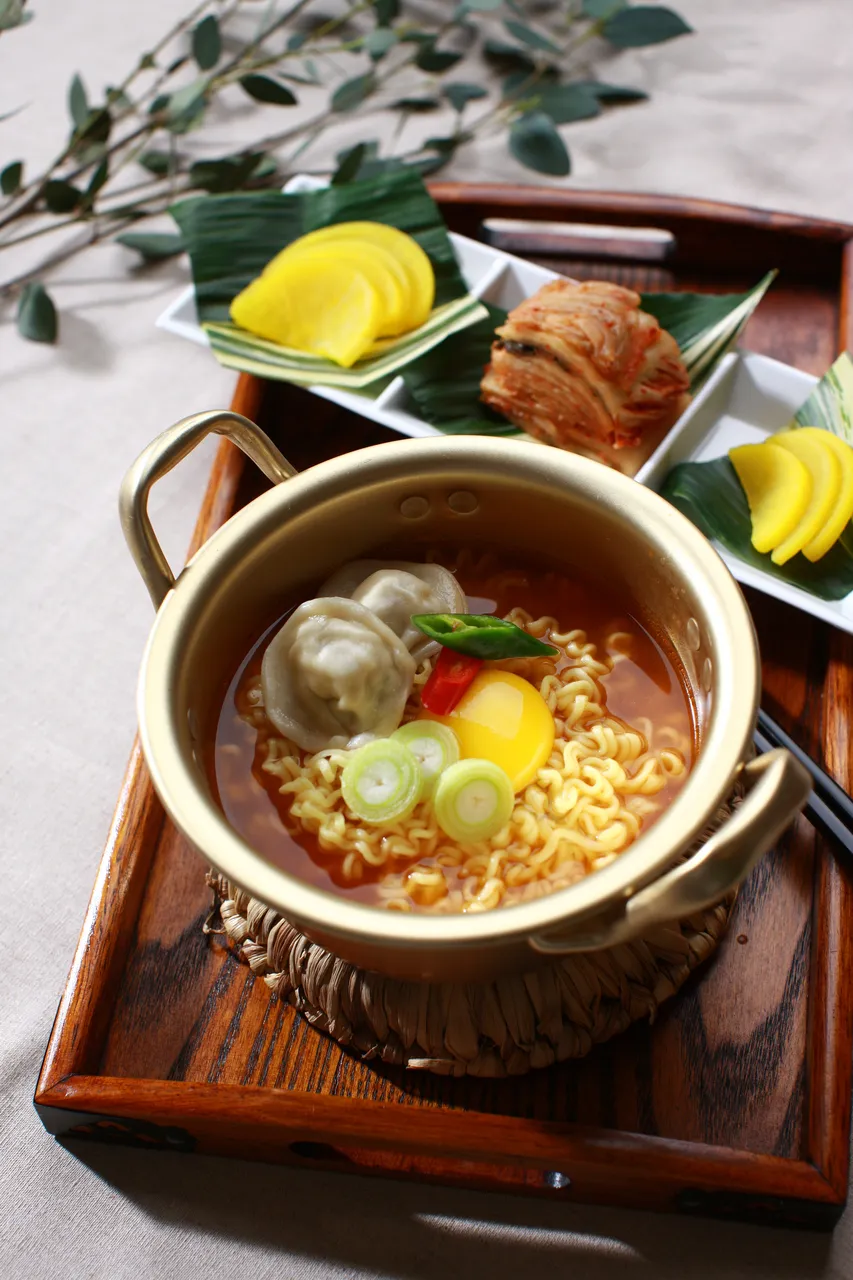
Korean Convenience Store Ramen Combos: Buldak, Shin Ramyun, Jjapaguri, Cheese, and Rice
Korean convenience stores are a cheap, fun way to eat instant ramen exactly how you like it: soup or stir-fried, mild or fiery, plain or loaded with cheese, egg, kimbap, and more. Ten beginner-friendly combos follow, with how to put them together and the things that actually matter: how spicy is too spicy, what to check if you avoid pork or eat halal or vegetarian, and common allergens. Brands are named only as examples; what's on the shelf changes by store and day, so read the package.

How to Pay in Korea: Credit Cards, Cash, WOWPASS, ATMs, and Mobile Pay
Korea is card-friendly, but the smartest setup is not to rely on one method. Bring a foreign credit or debit card, keep a little cash, get a transit card, and consider a foreigner prepaid card like WOWPASS for the kiosks that reject foreign cards. The breakdown below is current for 2026. Check foreign-transaction rules with your bank before you leave.